
House cleaning price calculator
Driveway Desk team 16 October 2026 8 min read
Your next job
Less time at the desk.
Build your price book, schedule the next visit and turn completed work into an invoice.
Start your first quoteIn this article
Price a house clean from floor area, room adjustments, cleaning depth, and the discount you choose.
Short answer
Price a house clean from floor area, room adjustments, cleaning depth, and the discount you choose.
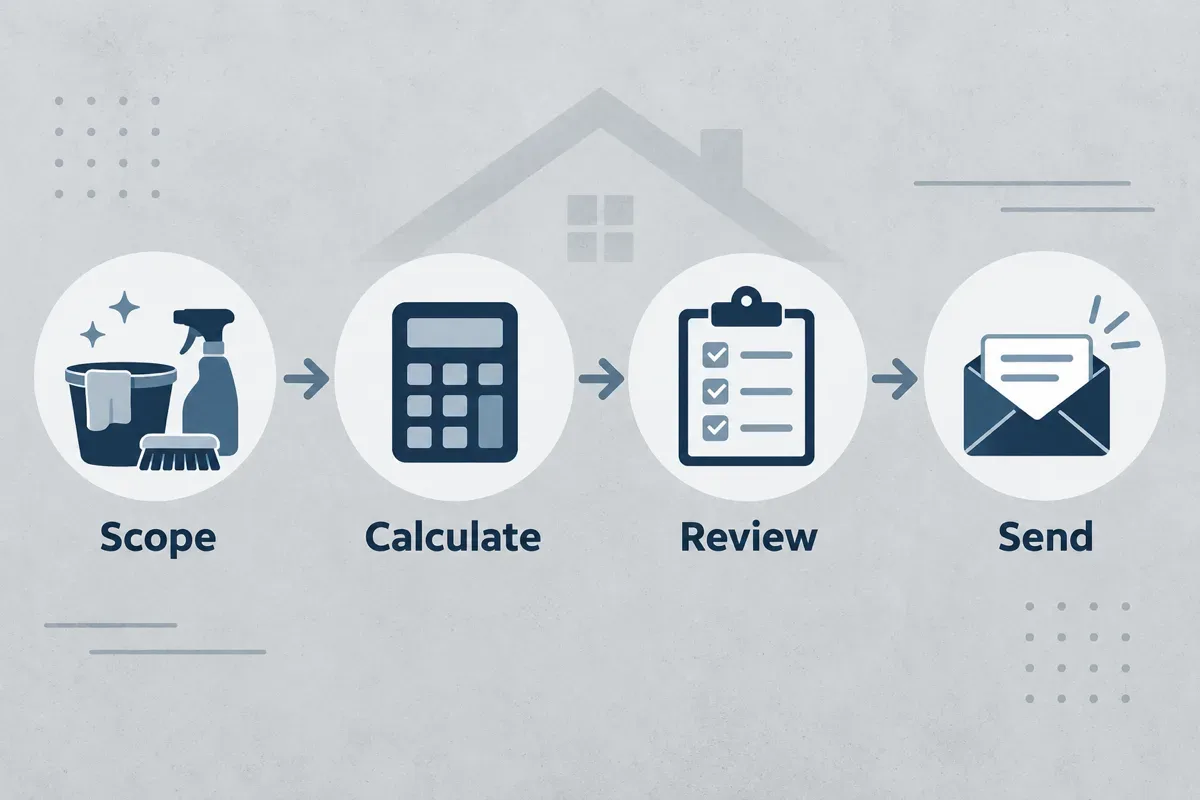
How to use this guide
- Enter the job details
Set home size (sq ft), standard rate ($/sq ft). Use the job you are pricing.
- Review rates and assumptions
Open “Adjust all rates and job details” and replace the starting inputs with your own allowances.
- Check the estimate
Price = (square feet × standard rate + extra bedrooms above three × bedroom adjustment + extra bathrooms above two × bathroom adjustment) × clean-type factor × (1 − discount / 100). Deep uses 2 and move-out uses 3; these are editable scenarios, not market averages. Review the estimate before tax and confirm the scope before using it in a quote.
How much to charge for house cleaning
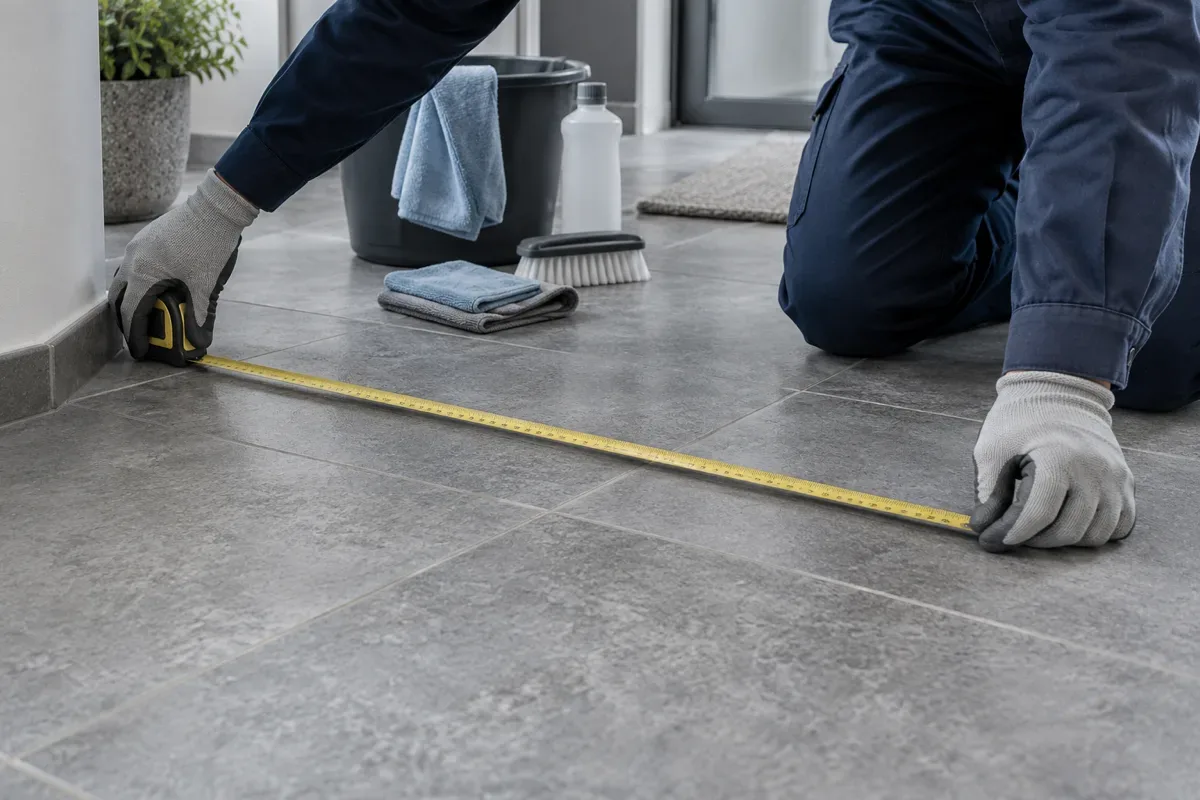
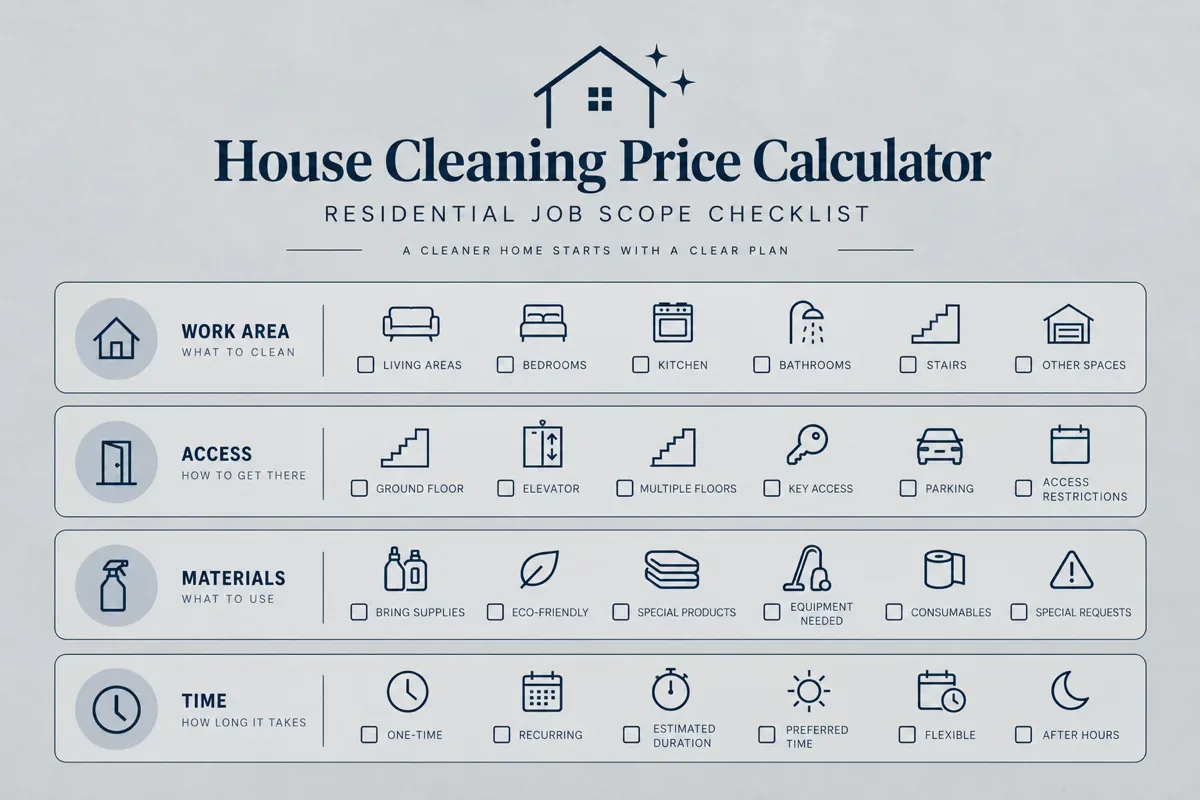
Start with the space you will actually clean. Ask for approximate floor area, bedrooms, bathrooms, and whether the home is occupied. A floor-area price gives you a repeatable baseline, but it does not describe grease on a stove or soap buildup in a shower. Write those conditions into the scope before promising a fixed total. The default calculation includes three bedrooms and two bathrooms within the area charge. Only rooms above those counts add the separate adjustments, so an ordinary home does not get charged twice for every room.
For a first visit, walk through the kitchen and bathrooms and list the surfaces included. Decide whether you are wiping appliance exteriors, cleaning inside appliances, or emptying cabinets. These are different jobs even when the listing gives them the same square footage. If the customer wants only part of the home cleaned, measure that portion instead of entering the full property size. Keep the room counts consistent with that smaller scope.
Use the labor cost calculator to check whether the resulting price covers your paid time. Include loading supplies and travel in your planning. A low area rate does not become profitable simply because another cleaner advertised it. Compare your estimated hours with the hours on the finished job and adjust the next quote from that record.
House cleaning prices by size and clean type. Calculated from starting inputs.
| Home size | Standard | Deep | Move-out |
|---|---|---|---|
| 1,000 sq ft | $90.00 | $180.00 | $270.00 |
| 1,500 sq ft | $135.00 | $270.00 | $405.00 |
| 2,000 sq ft | $180.00 | $360.00 | $540.00 |
| 2,500 sq ft | $225.00 | $450.00 | $675.00 |
| 3,200 sq ft | $288.00 | $576.00 | $864.00 |
House cleaning prices
The table compares the same home size across standard, deep, and move-out scenarios. Each cell runs through the calculator formula, using the initial room allowances and no repeat-visit discount. This makes it possible to see what changed: the floor area or the scope factor. It is not a survey of nearby cleaning companies. The national reference below supplies context for the basic rate; your chosen adjustments control the actual estimate you show a customer.
A standard visit might cover reachable surfaces, floors, and routine bathroom work. A deep-clean scope should name the extra tasks, such as detailed baseboards or built-up kitchen residue. For a move-out, confirm whether drawers, cabinets, and appliances will be empty and whether the customer expects inside surfaces cleaned. The model uses simple factors to compare these scopes. If your deep clean takes a different amount of time, change the base rate or build a separate quote from your measured hours.
Carpets can need a separate method and equipment. Use the carpet cleaning price calculator for that portion instead of burying extraction work inside the house-cleaning rate. For exterior concrete, the pressure washing price calculator gives a different area model. Separate scopes make exclusions easier to explain and prevent the customer from expecting several services for one basic-clean price.
How to price cleaning jobs
A first visit and a repeat visit are different jobs. Inspect the starting condition before applying any recurring-visit discount.
A recurring visit should earn its discount through reduced work or more efficient scheduling. Enter the percentage you choose; the calculator does not assume every weekly customer deserves the same reduction. Compare a repeat clean with the first visit after you know how long each takes. If the initial clean requires substantial catch-up work, quote that separately and show the recurring amount as a second line rather than discounting the first visit automatically.
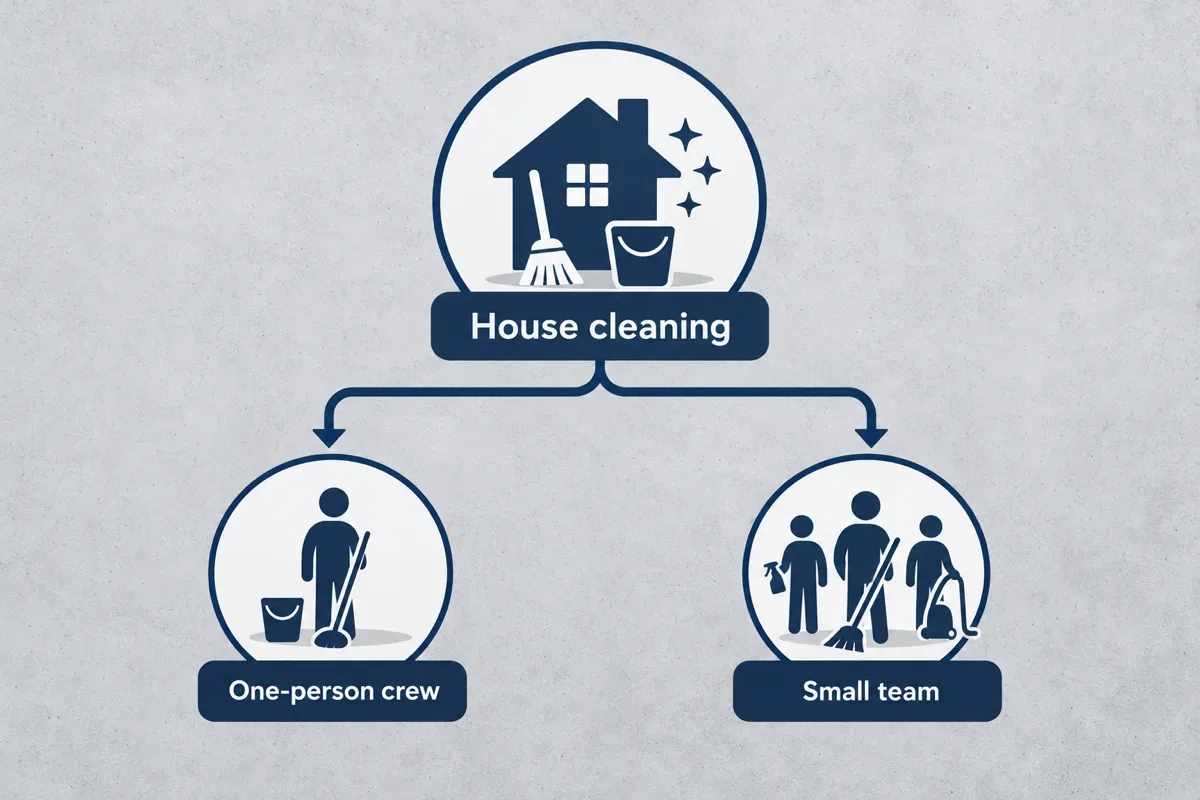
Consider an owner working with one helper. Two people spending two hours at the property create four labor hours before travel and preparation. The customer sees a short appointment, but your costs follow both people. Track that distinction when checking a fixed price. Supplies, laundry, insurance, and equipment replacement also need to be covered somewhere in the rate; adding a helper does not make those expenses disappear.
Check the markup and margin calculator before adding a profit percentage to costs. A percentage added to cost is not the same percentage of the final selling price. When the number is ready, describe the rooms, clean type, exclusions, access arrangements, and repeat schedule in the quote. You can review the Driveway Desk workflow and plan details before setting up your own price book. Keep a copy of the scope alongside the price so the next visit is comparable.
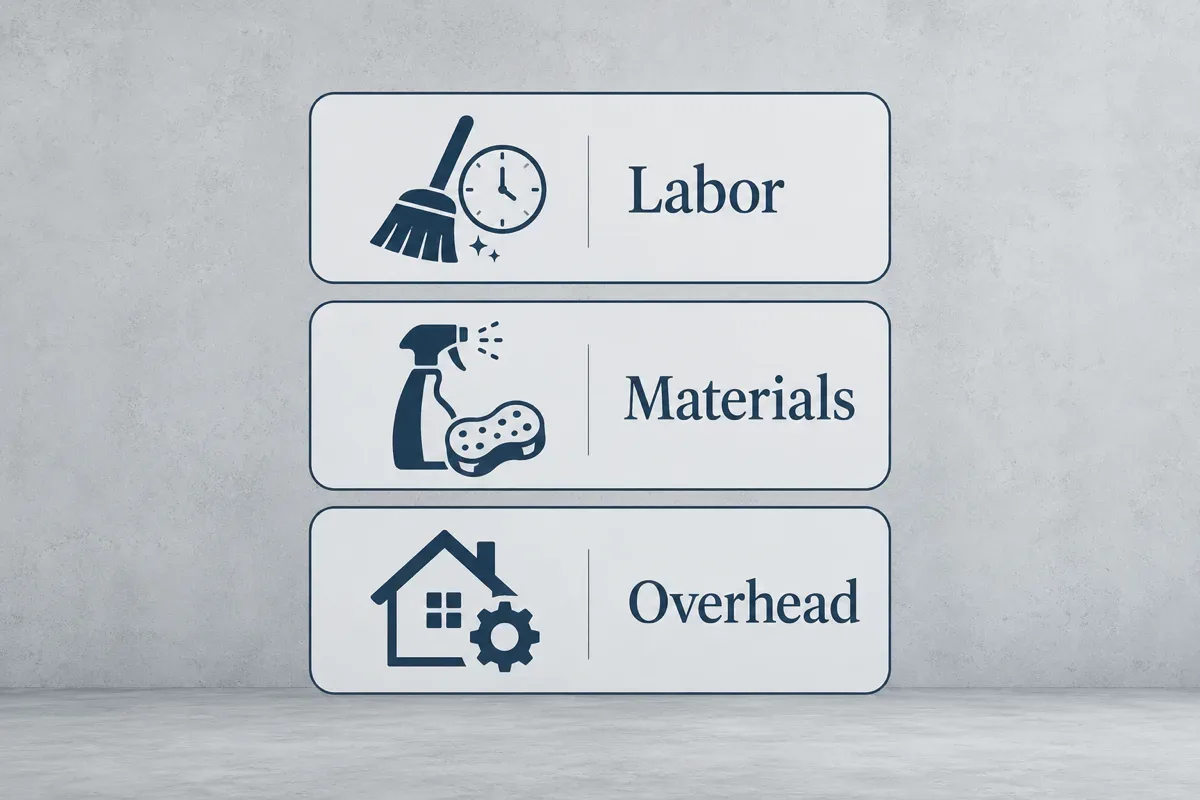
How we calculate this
Price = (square feet × standard rate + extra bedrooms above three × bedroom adjustment + extra bathrooms above two × bathroom adjustment) × clean-type factor × (1 − discount / 100). Deep uses 2 and move-out uses 3; these are editable scenarios, not market averages.
Fixr lists a national basic-cleaning benchmark of $0.08 to $0.10 per square foot. The initial $0.09 rate is the midpoint. Room adjustments, type factors, and discounts below are your own starting assumptions.
Sources and national references
- Fixr national cost guide, checked 2026-10-12. Fixr lists a national basic-cleaning benchmark of $0.08 to $0.10 per square foot. The initial $0.09 rate is the midpoint. Room adjustments, type factors, and discounts below are your own starting assumptions.
Price it once, then start your first quote from the driveway next time.
Price it once, then start your first quote from the driveway next time.
Review the job before you send it
A manual worksheet is enough for one job. Repeatedly typing the same scope and rates becomes the slow part on the next visit. Start your first quote with your reviewed figures.
For planning a related service, read the cleaning-business setup guide and the pressure-washing startup guide.
Use your own costs, scope and completed-job records. Check the result against the time and materials you expect to use. Your next quote should reflect the job in front of you, not a national average.
Start your first quote with the scope and prices you have reviewed.
Frequently asked questions
At the starting standard rate of $0.09 per square foot, 1,000 square feet produces a $90 area charge before extra room adjustments or discounts. That is a worked example, not a promised market price. Enter the actual rooms and cleaning scope, then check the amount against the time your crew needs.
First distinguish a cleaner’s wage from a business’s selling rate. A $20 wage leaves other business costs to cover, including paid travel, supplies, and overhead. Enter your own wage and allowances in the labor calculator, then compare the resulting cost per billable hour with the amount you intend to charge.
This tool does not claim to measure what most cleaners charge. Its national reference is an area-based basic-cleaning range from Fixr, cited below. For your hourly quote, calculate the cost of the people assigned, include the paid time around the visit, and add the margin you choose before comparing outside prices.
With the initial rate, the 2,000-square-foot area charge is $180. Selecting deep cleaning applies the illustrative factor of two, producing $360 before extra rooms or a repeat discount. Replace those assumptions if your scope differs. A detailed appliance clean and routine reachable-surface work should not be treated as identical services.
The default standard scenario produces $288 for 3,200 square feet with no extra bedroom or bathroom adjustment. That example gives you a starting calculation, not the final quote. Inspect the kitchen and bathrooms, confirm the rooms included, and check whether the estimated crew hours and supplies fit within the amount.
A $50 selling rate can only be assessed against your costs and billable time. If two workers attend, make clear whether that amount is per worker or for the crew. Compare the expected revenue with wages, travel, supplies, and overhead; the remainder is not automatically take-home pay for the owner.
Put the method to work
Markup and margin calculatorMarkup divides profit by cost; margin divides profit by selling price. Convert either percentage before quoting.
Your prices, remembered.
Build your first quote on your phone in about two minutes, send it, and get paid into your own account.
Start your first quoteShare article
About the author
Field notes team
We write practical guides for home service crews of one to five. Our editorial standard is to show the calculation, state its assumptions, cite primary sources for factual claims and date competitor comparisons. We distinguish worked examples from market prices and correct errors when they are found. We do not claim trade licenses or credentials on behalf of the team.
More articles
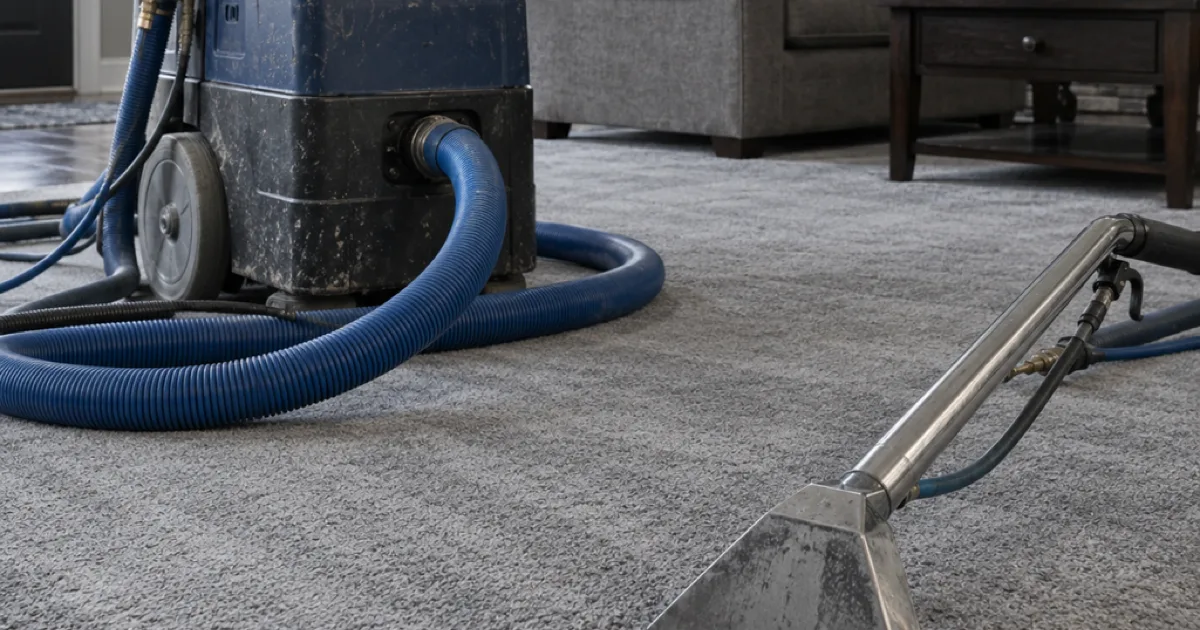
Pricing jobs · 9 min
Carpet cleaning price calculator
Add measured carpet or room charges, stairs, stains, and upholstery, then apply your minimum job charge.
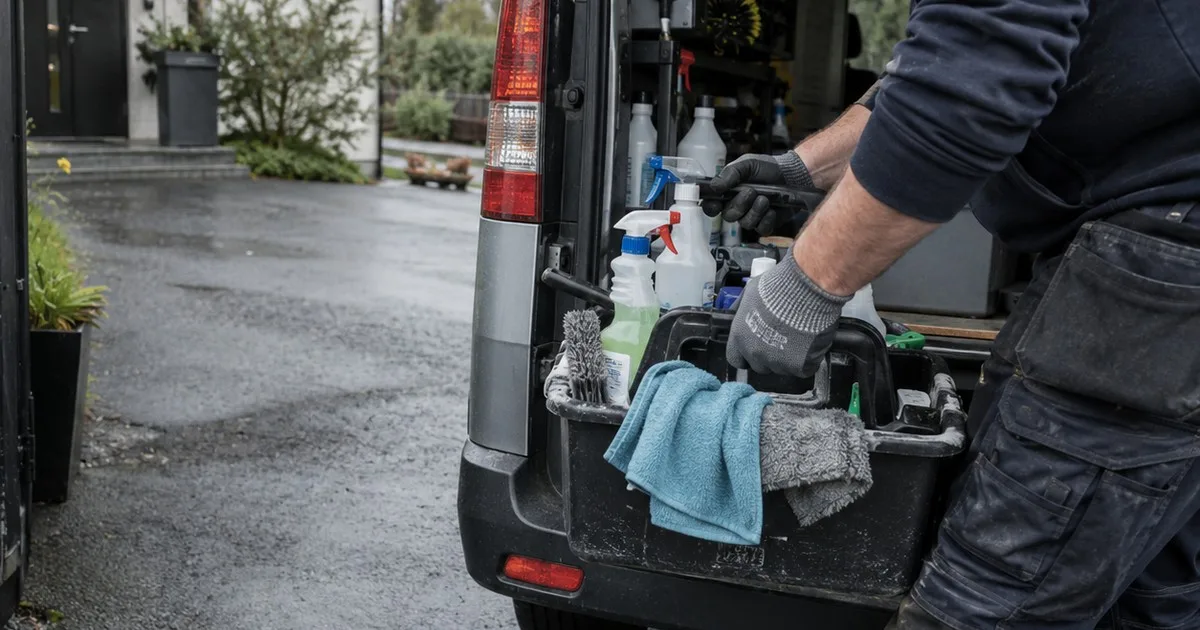
Running a small crew · 6 min
How to Start a Cleaning Business: Prices for Your First Homes
Start a cleaning business with the legal basics, a small supply kit and prices for standard, deep and move-out cleans, and quote every first visit as a deep clean.
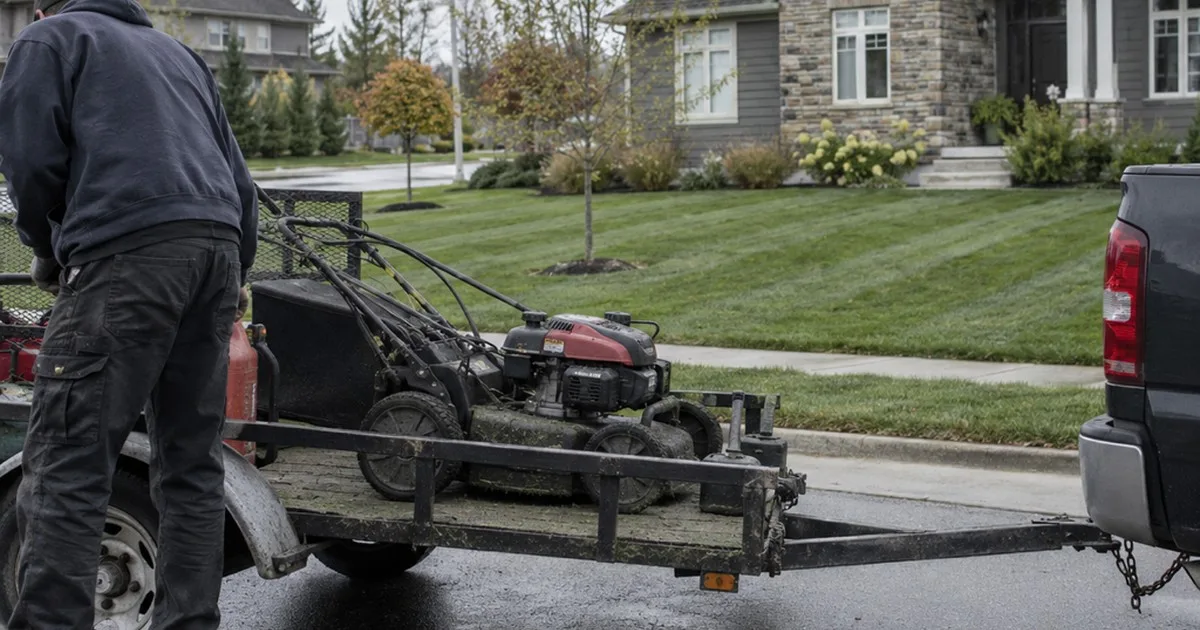
Running a small crew · 6 min
How to Start a Lawn Care Business: Price Visits From Time
Start a lawn care business with the legal basics, equipment sized to your lawns, visit prices worked out from mowing and drive time, and seasonal agreements.
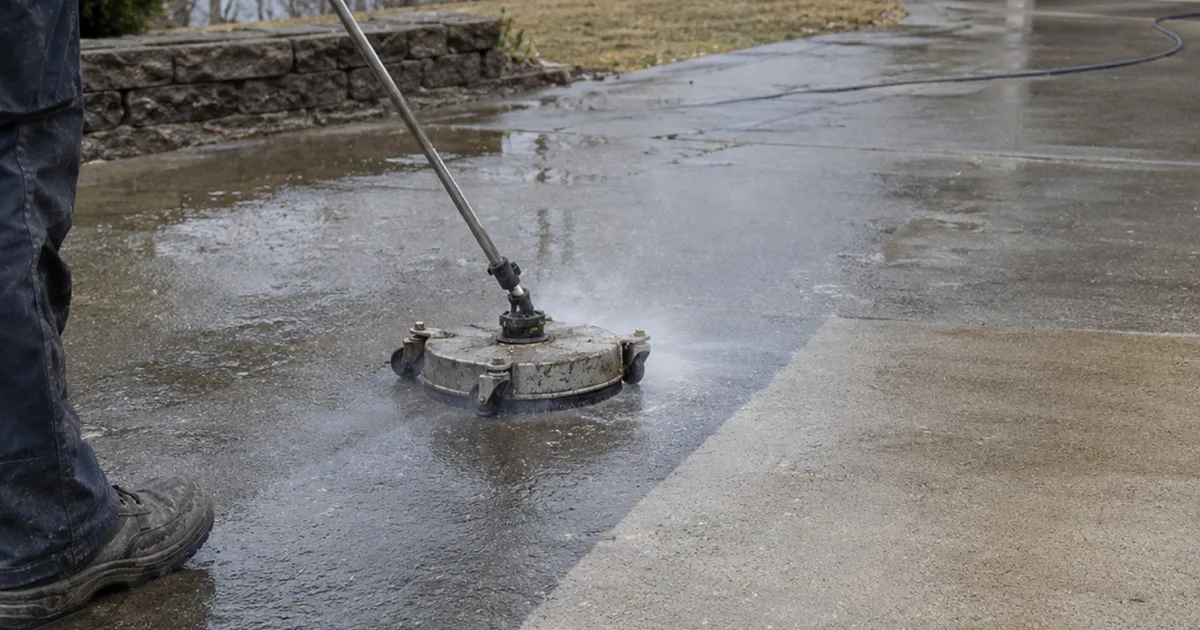
Running a small crew · 7 min
How to Start a Pressure Washing Business: Price It Before You Buy
Start a pressure washing business with the legal basics, the right equipment and a price sheet that sets a minimum charge and sells a second surface on every visit.