How Much Do Electricians Charge per Outlet? 2026 Prices
Driveway Desk team 13 November 2026 13 min read
Your next job
Less time at the desk.
Build your price book, schedule the next visit and turn completed work into an invoice.
Start your first quoteIn this article
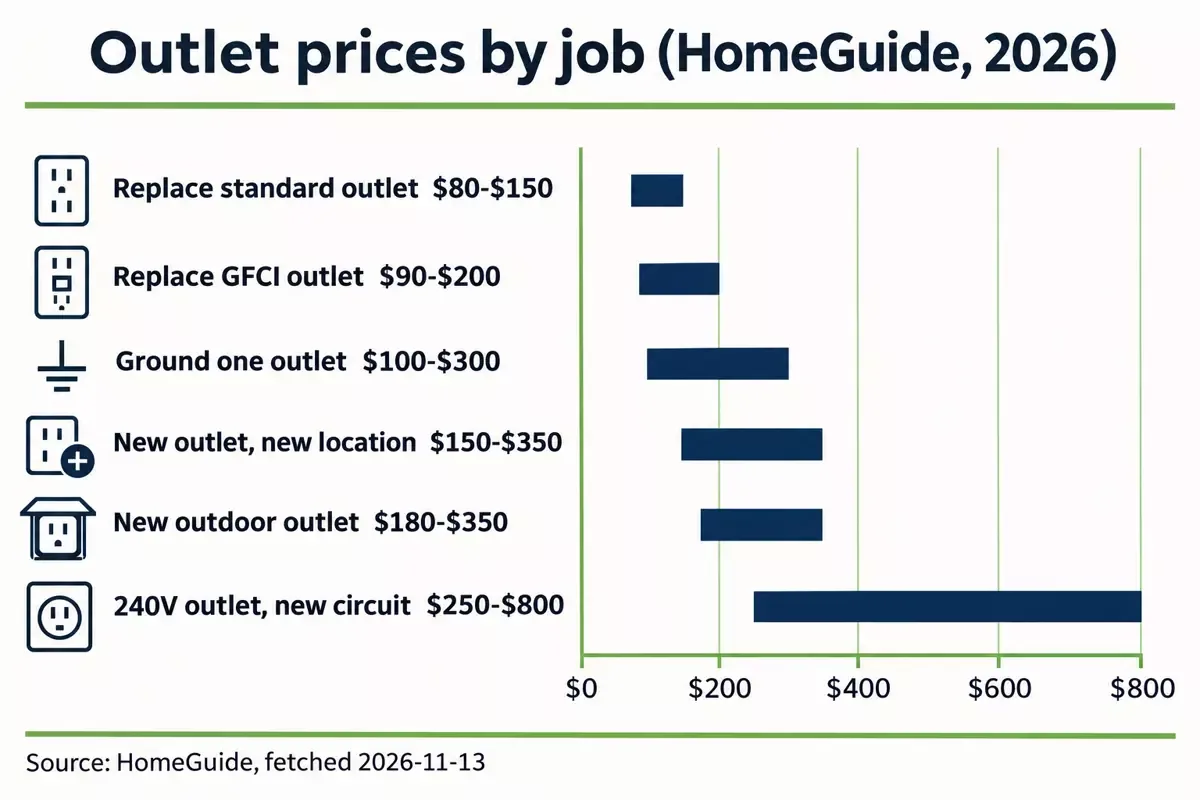
Electricians charge $80 to $150 per outlet to replace a standard receptacle and $150 to $350 to add a new one, according to HomeGuide, and most charge a one-hour minimum or a $100 to $200 trip fee on top. GFCI outlets run $90 to $200 to replace, and a 240V outlet on a new circuit runs $250 to $800.
Short answer
Electricians charge $80-$150 to replace one standard outlet, $90-$200 for a GFCI, $150-$350 to add a new outlet and $250-$800 for a 240V outlet on a new circuit (HomeGuide, fetched 2026-11-13). Most add a one-hour minimum or a $100-$200 trip fee, and the price per outlet drops when several are done in one visit.
This guide is for the electrician quoting the outlet, not the homeowner paying for it. You get the market price for each kind of outlet job, what a single outlet call really costs you, a first-outlet-plus-each-extra price list built from a worked solo rate, and the mistakes that turn a ten-outlet job into a lost quote.
How much do electricians charge per outlet?
The price follows the job behind the outlet, not the receptacle. Swapping a worn outlet in an existing box is a short job. Adding one where there was none means cutting in a box and fishing cable. A 240V dryer or range outlet usually needs a new dedicated circuit back to the panel.
| Outlet job | Typical price per outlet | What the electrician is doing |
|---|---|---|
| Replace a standard 120V outlet | $80-$150 | Kill the breaker, swap the receptacle, test |
| Replace a GFCI outlet | $90-$200 | Same swap, plus line and load wiring and a trip test |
| Replace a smart or USB outlet | $100-$200 | Deeper device, sometimes a neutral to sort out |
| Ground one outlet | $100-$300 | Run or bond a ground to an ungrounded box |
| Add a new outlet in a new location | $150-$350 | Cut in an old-work box, fish cable from a nearby circuit |
| Add a new outdoor outlet | $180-$350 | Weatherproof box and cover, GFCI protection |
| Install a 240V outlet on a new circuit | $250-$800 | Double-pole breaker, heavy cable run from the panel |
| Replace every outlet in an average home | $1,200-$2,600 total | Many swaps in one visit, so far less per outlet |
| Trip fee or minimum | $100-$200, or one hour | Drive, setup and the first stretch of labor |
Sources: HomeGuide cost to replace an outlet and HomeGuide electrician cost per hour, both fetched 2026-11-13. HomeGuide puts the receptacle itself at $1 to $7 for a standard outlet and $12 to $40 for a GFCI, so almost all of the price is labor.
Now look at what ranks for this question: a forum thread titled "price for changing outlets", a Reddit post asking what it costs to replace every outlet and switch in a house, and a Facebook post from a homeowner who just paid for one outlet and is not sure it was fair. The same customer asking "how much per outlet" might want one outlet or forty.
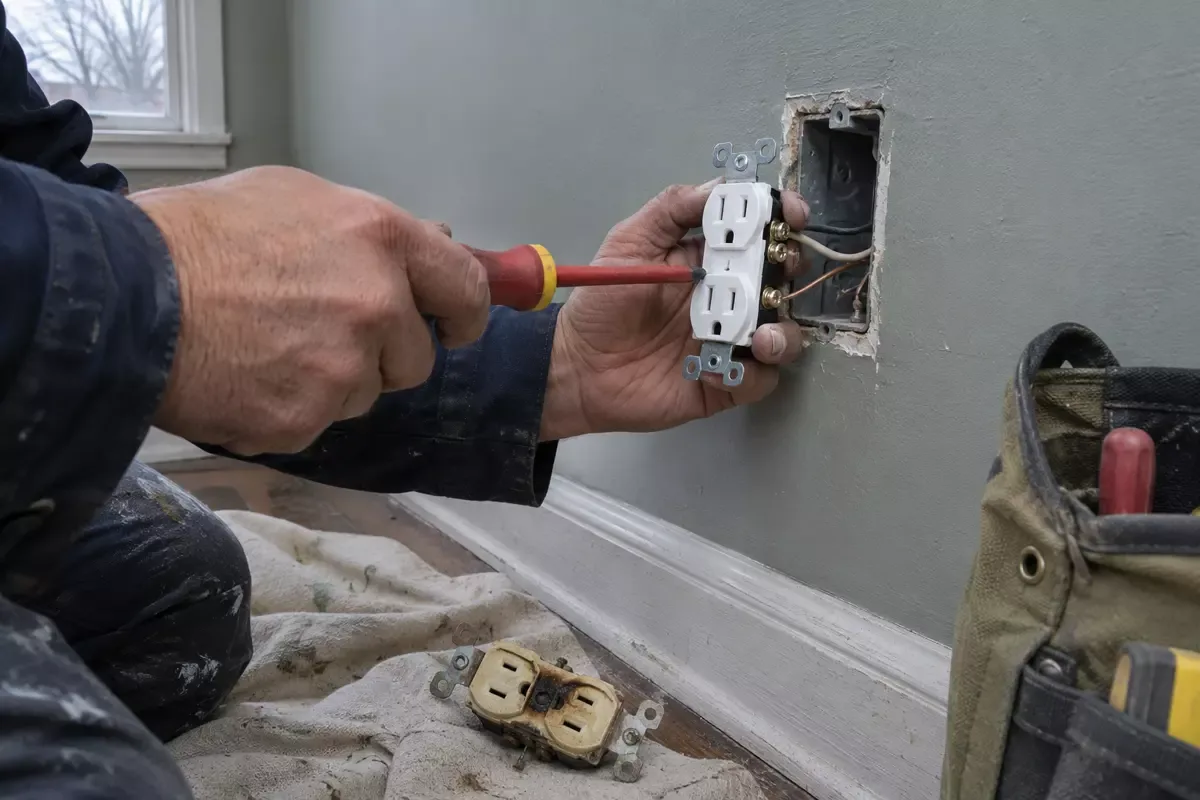
"Per outlet" is two prices, not one: the first outlet pays for the trip, and every outlet after it only pays for its own 10 to 15 minutes. HomeGuide says a straight replacement takes 10 to 15 minutes when the wiring is sound. Your drive, setup and paperwork do not care whether you swap one or twenty.
What one outlet call actually costs you
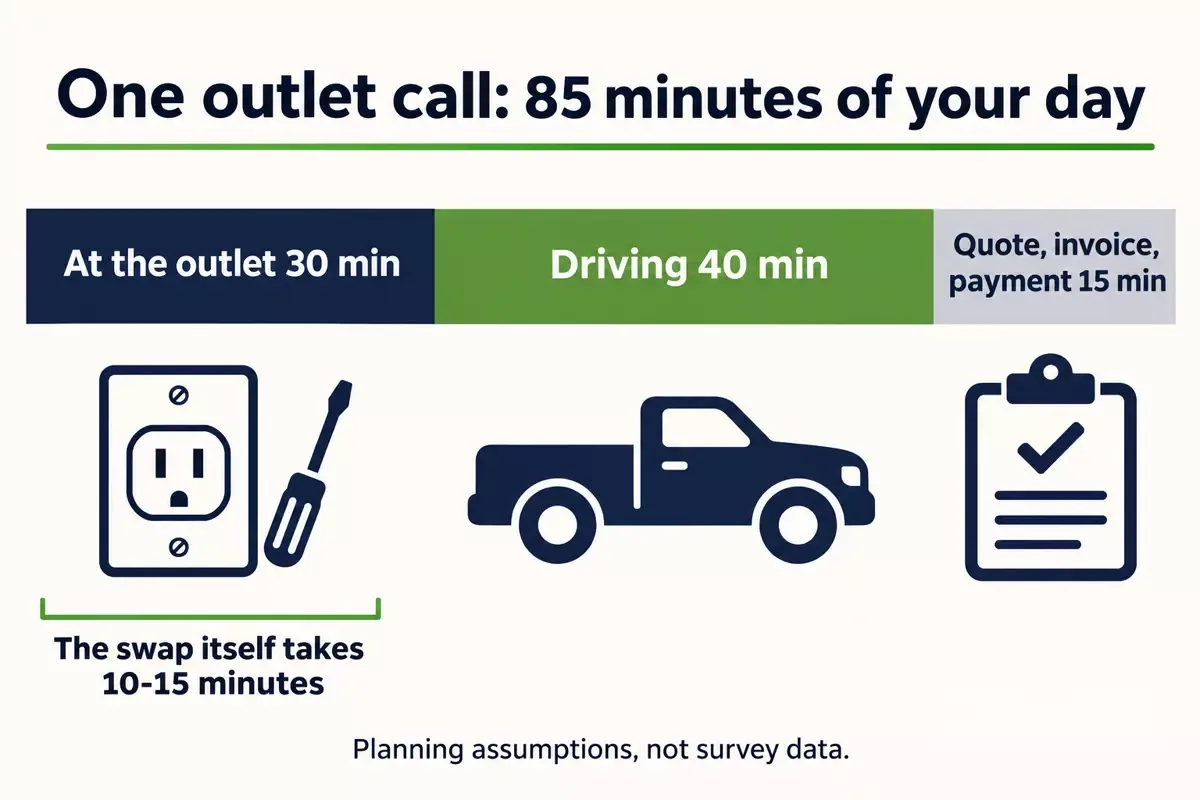
A single outlet replacement takes about 30 minutes on site once you count finding the breaker, testing and cleaning up. Add a 40-minute round trip and 15 minutes to quote, invoice and take payment, and the call takes 85 minutes of your day. These times are our planning assumptions; time a week of your own calls and swap them in.
We use the solo build from our guide to what electricians charge per hour: $39 of owner pay plus $9.75 of overhead per hour worked, so $48.75 per hour worked, and a $90 bill rate per billed hour on site.
| Outlet job | Your time (site + drive + office) | Labor cost at $48.75/h | Part or materials | Flat price to quote | Margin |
|---|---|---|---|---|---|
| First standard outlet, replace | 30 + 40 + 15 = 85 min | About $69 | About $5 | $150 | About $76 |
| Each extra standard outlet, same visit | 15 min | About $12 | About $5 | $40 | About $23 |
| First GFCI outlet, replace | 40 + 40 + 15 = 95 min | About $77 | About $20 | $185 | About $88 |
| Each extra GFCI, same visit | 20 min | About $16 | About $20 | $80 | About $44 |
| New outlet, new location | 120 + 40 + 15 = 175 min | About $142 | About $20 | $325 plus permit | About $163 |
| 240V outlet, new circuit | 180 + 40 + 15 = 235 min | About $191 | About $90 | $650 plus permit | About $369 |
Try your numbers
Example estimate of your job price. Before tax.
Your billable rate
The flat prices are our worked numbers, not market quotes. Each one sits inside HomeGuide's range for that job: $150 for a standard swap ($80 to $150), $185 for a GFCI ($90 to $200), $325 for a new outlet ($150 to $350) and $650 for a 240V circuit ($250 to $800). The part costs are our assumptions inside HomeGuide's part prices. Run your own pay, overhead and drive time through the labor cost calculator, then add profit knowing that markup and margin are not the same percentage.
Ten outlets in one visit, priced three ways
The customer wants every outlet in the kitchen, hall and two bedrooms changed: ten standard receptacles, all in existing boxes. You are on site about 165 minutes (30 for the first, 15 for each of the other nine), plus the same 55 minutes of driving and office time. That is about $179 of your time and $50 of receptacles, so $229 of cost.
| Billing method | What you charge | Price per outlet | Margin over your $229 |
|---|---|---|---|
| Straight hourly, 2.75 h at $90 plus parts | $298 | About $30 | About $69 |
| Your single-outlet price, $150 times ten | $1,500 | $150 | About $1,271, if anyone says yes |
| First outlet $150, each extra $40 | $510 | $51 | About $281 |
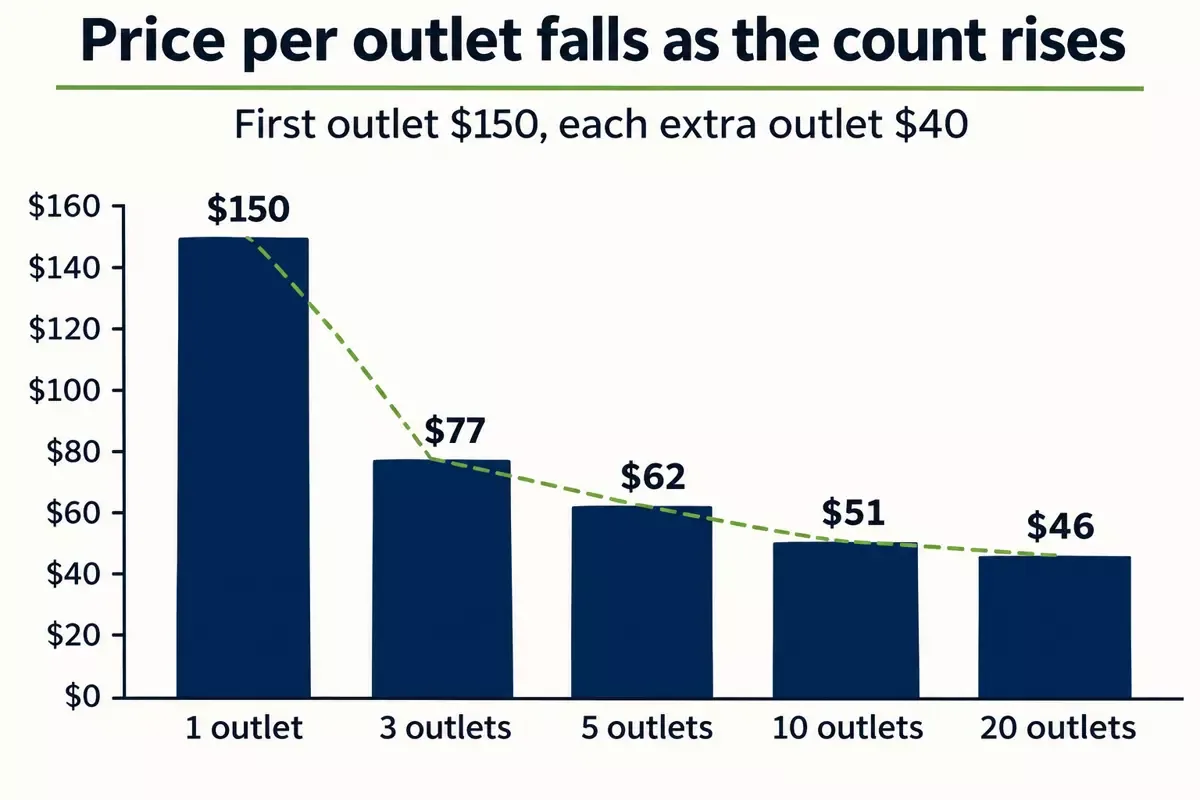
The $1,500 quote is the one that loses the job. A homeowner who reads that replacing every outlet in a whole house runs $1,200 to $2,600 will not pay $1,500 for ten. Straight hourly wins the job and pays you about $69 for most of an afternoon. The first-plus-extra list lands at $51 an outlet, close to what the customer expects, and still pays you four times the hourly margin.
Price it once, then start your first quote from the driveway next time.
Which price to quote for which call
Ask three questions on the phone: how many outlets, what kind, and is there already a box there. The answers pick the line from your list before you drive.
| What the customer says | What it usually is | What to quote |
|---|---|---|
| "One outlet stopped working" | A worn receptacle or a tripped GFCI upstream | First-outlet price; check for a tripped GFCI before you swap anything |
| "The bathroom outlet keeps tripping" | A GFCI near the end of its life, or a fault downstream | First-GFCI price, with a diagnostic line if the fault is in the circuit |
| "I want them all changed, they are yellow and loose" | Many swaps in existing boxes | First-outlet price plus the per-extra price times the count |
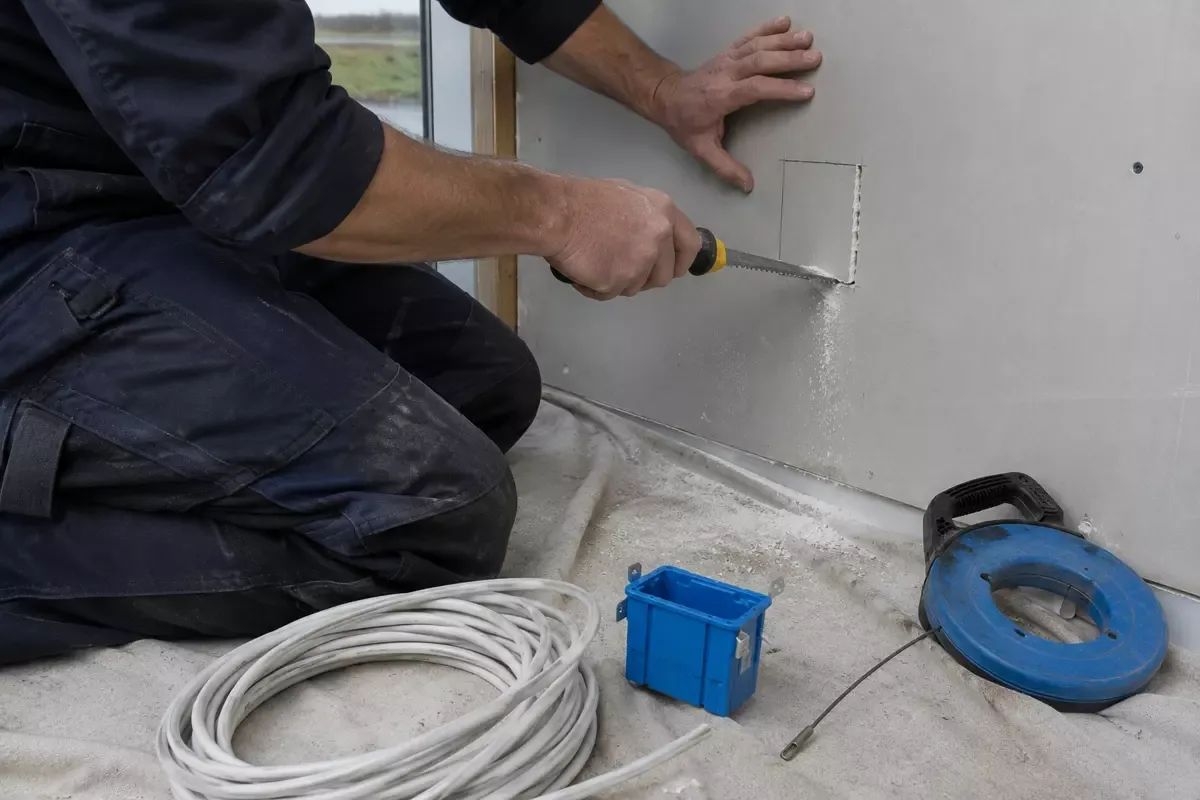
| "I need an outlet where there isn't one" | New box and cable from a nearby circuit | New-outlet price plus a permit line where your city requires it |
| "We bought an electric dryer" or "an EV charger" | 240V outlet, likely a new circuit | 240V price after you look at the panel; panel space decides the job |
| "The outlets only have two holes" | Ungrounded boxes | Grounding price per outlet, or a rewire quote if the house has no ground at all |
New outlets and permits
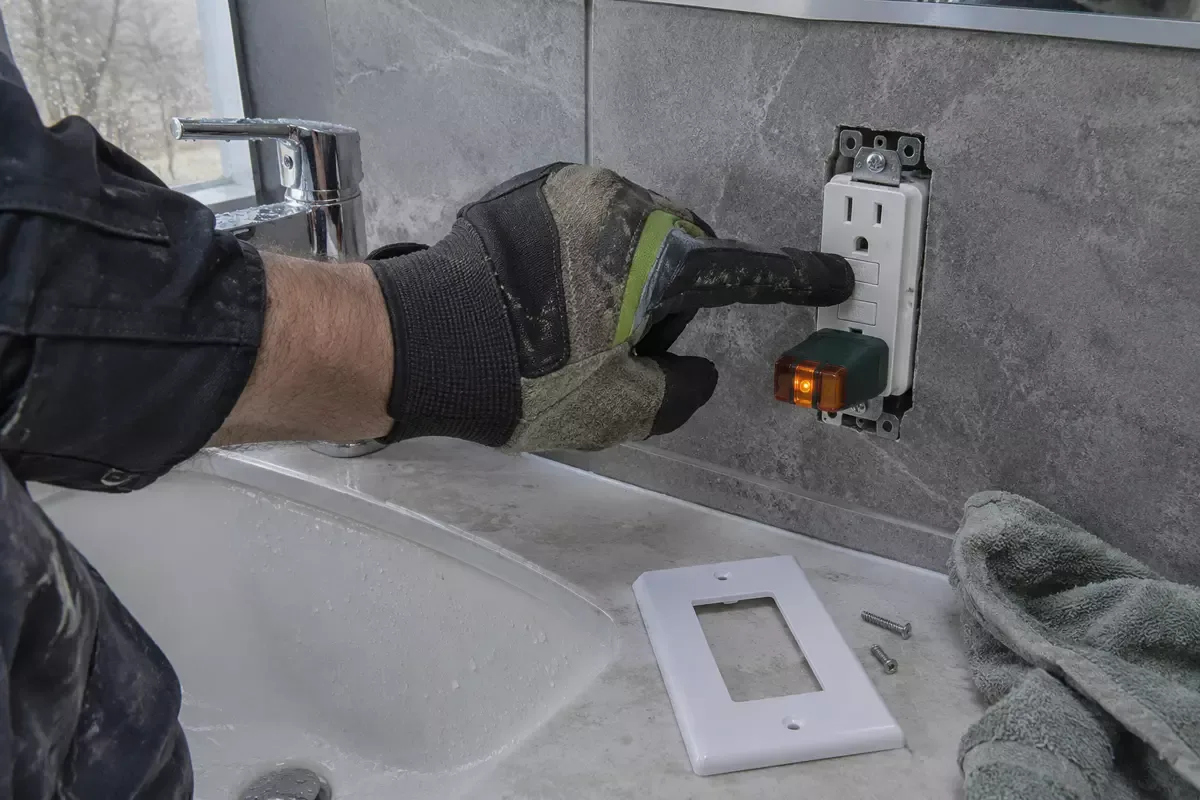
HomeGuide notes that a one-to-one replacement typically does not need a permit, but adding a new outlet or changing a 120V outlet to 240V may, and electrical permits run $50 to $350. Rules vary by city and state, so check with your local building department and put the permit on its own line instead of hiding it in the outlet price.
240V outlets
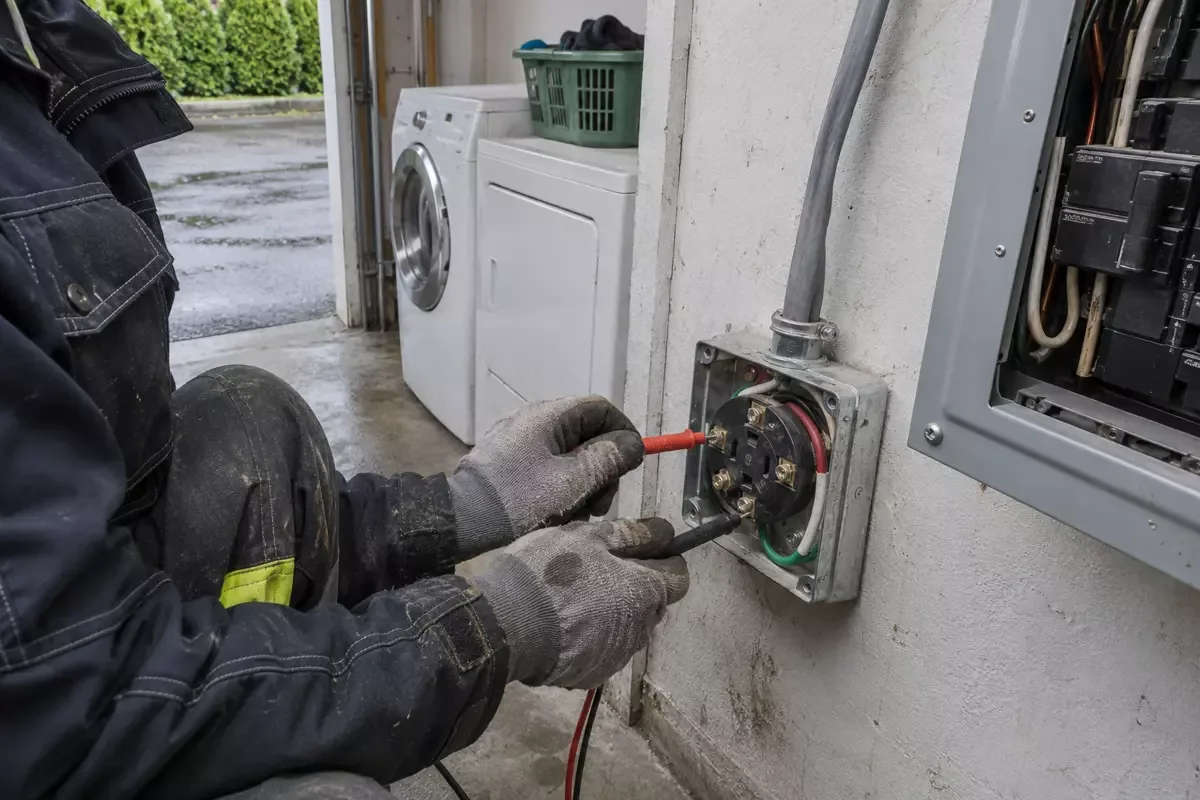
A 240V outlet is a circuit job with a receptacle on the end. HomeGuide puts the swap of an existing 240V receptacle at $125 to $250 and a new one at $250 to $800, and the time at 30 minutes to 3 hours depending on the run. Look at the panel before you price it: if there is no room for a double-pole breaker, you are quoting a different job.
How to price outlet work per outlet
- Price your first outlet from your time
Add your on-site time, round-trip drive and office time, multiply by your cost per hour worked, add the part and your profit. That is the number that covers the trip.
- Price each extra outlet from its own minutes
Time one extra swap in an existing box, usually 10 to 15 minutes, and price it at your bill rate plus the part and a margin. Do the same for GFCIs.
- Set separate lines for new outlets and 240V
New boxes and new circuits get their own flat prices, with the permit and any drywall patch as separate lines.
- Ask how many and what kind before you drive
Count, type and whether a box exists pick the line from your list. Quote the total in writing before you arrive.
- Invoice before you leave the driveway
List each outlet type with its count so the customer sees the first-plus-extra math, and take payment while the outlets still test good.
Mistakes that cost electricians money on outlet jobs
| Mistake | What it costs |
|---|---|
| Billing one outlet by the minute with no minimum | About $24 lost on a single swap in our example |
| Multiplying the single-outlet price by the count | The ten-outlet job, to the electrician who quoted $51 each |
| Billing a whole-house swap straight hourly | About $212 less margin on ten outlets than first-plus-extra |
| Quoting a 240V outlet before seeing the panel | A free afternoon when it turns into a circuit and a breaker |
| Folding the permit and drywall patch into the outlet price | Prices that look high on small jobs and lose money on big ones |
| Retyping the same outlet prices on every quote | An evening a week, and prices that drift from job to job |
The second one is the expensive one, because you never find out about it. The customer does not argue with a $1,500 quote for ten outlets. They just book the next electrician.
Keeping your outlet prices the same on every call
The manual method works. Write your first-outlet price, your per-extra price, your GFCI, new-outlet and 240V prices on one card, and quote from it every time, the way our handyman price list does for small repairs. Our guide on how to start an electrical business covers the license and insurance side, and an estimate the customer can read line by line shows how to lay out the counts. Where the card breaks is the phone: you are on a ladder when the call comes in, then at the kitchen table at night retyping "first outlet, nine extra, one GFCI" into a quote.
That is the part Driveway Desk handles. Your first-outlet and per-extra prices live in your price book, you set the count on your phone and the quote totals itself before you start the truck, and when the last outlet tests good the invoice goes out in one tap and gets paid into your own Stripe or Square account. One flat price for the whole crew, no contract. If you are comparing the bigger tools, here is how Jobber is priced plan by plan.
Price it once, then start your first quote from the driveway next time.
The bottom line on what electricians charge per outlet
The market says $80 to $150 to replace a standard outlet, $90 to $200 for a GFCI, $150 to $350 to add a new outlet and $250 to $800 for a 240V outlet on a new circuit, plus a one-hour minimum or a $100 to $200 trip fee. Your own numbers come from your time and your overhead: in our solo example that is $150 for the first outlet and $40 for each extra one in the same visit, which turns ten outlets into a $510 quote the customer will actually sign. Price the first outlet and the rest separately, and keep new circuits and permits on their own lines. If you are still working toward your own license, here is how long an electrical license takes.
Your prices, remembered. Build your first quote on your phone in about two minutes, send it, and get paid into your own account.
Put the method to work
Labor cost calculatorDivide paid-hour costs by the billable-hours ratio, then allow for your target margin to find a selling rate.
Frequently asked questions
HomeGuide puts it at $80 to $150 for a standard 120V outlet and $90 to $200 for a GFCI, with most electricians charging a one-hour minimum or a $100 to $200 trip fee. Replacing every outlet in an average home runs $1,200 to $2,600, because each extra outlet costs far less than the first.
A new outlet in a new location costs $150 to $350 on average, per HomeGuide, and a new outdoor outlet $180 to $350. The extra cost over a replacement is cutting in the box and running cable, plus a permit in many cities.
HomeGuide lists $50 to $130 an hour for electrician labor, with master electricians charging 50% to 100% more than apprentices or journeymen. Our hourly rate guide works out why a solo licensed owner needs about $90 an hour to cover overhead and drive time.
Replacing an existing outlet takes 10 to 15 minutes when the wiring is in good shape, according to HomeGuide. Changing a 120V outlet to 240V takes 30 minutes to 3 hours depending on the location and wiring. A new outlet in a new spot takes longer still, because of the box and the cable run.
Usually a new dedicated circuit: a double-pole breaker in the panel, cable sized for the appliance, the receptacle and a permit. HomeGuide prices it at $250 to $800 per outlet. Check the panel first, because a full panel changes the job and the price.
HomeGuide says a one-to-one replacement typically does not need one, while adding a new outlet or upgrading to 240V may, with permits running $50 to $350. Rules vary by city and state, so confirm with the local building department before you quote.
Put the method to work
Markup and margin calculatorMarkup divides profit by cost; margin divides profit by selling price. Convert either percentage before quoting.
Your prices, remembered.
Build your first quote on your phone in about two minutes, send it, and get paid into your own account.
Start your first quoteShare article
About the author
Field notes team
We write practical guides for home service crews of one to five. Our editorial standard is to show the calculation, state its assumptions, cite primary sources for factual claims and date competitor comparisons. We distinguish worked examples from market prices and correct errors when they are found. We do not claim trade licenses or credentials on behalf of the team.
More articles

Pricing jobs · 13 min
How Much Do Electricians Charge Hourly? 2026 Rates and Math
Electricians charge about $50-$130 an hour, plus a $100-$200 service call that covers the first hour. Here is the rate by license level, the bill-rate build for a solo owner and an owner with an apprentice, and a 45-minute call priced three ways.

Pricing jobs · 11 min
How Much Is Gutter Cleaning? 2026 Prices by House Height
Gutter cleaning costs about $137-$240 for a typical 215-foot house, close to $1 a linear foot. Here is why the same gutters cost $145, $235 or $325 depending on height, and how to quote the job from your own hours.

Pricing jobs · 12 min
How Much Do Plumbers Charge to Unclog a Toilet? 2026 Prices
Plumbers charge $100-$275 to unclog a toilet, plus a $50-$200 service call. Here is the price by where the clog sits, what a 30-minute clog call really costs a solo plumber, three tiers priced from a worked rate, and how to quote them on the phone.

Pricing jobs · 14 min
How Much Do Plumbers Charge per Hour? 2026 Rates and Math
Plumbers charge about $45-$150 an hour, plus a $50-$200 service call that usually covers the first hour. Here is the rate by license and call type, the bill-rate build for a solo owner and an owner with a helper, and a toilet swap priced three ways.

Pricing jobs · 13 min
How Much Do Landscapers Charge Per Hour? Rates and the Math
Landscapers charge about $25-$50 per person per hour, or $50-$100 for a two-person crew. Here is where those numbers come from, the bill-rate build for a solo owner and a crew, and a mulch job priced both ways.

Pricing jobs · 11 min
How Much Do Painters Charge in 2026? Rates and the Math
Painters charge about $25-$50 an hour, $1.50-$3.50 a square foot or $300-$800 a room. Here is where those numbers come from, a 12x12 room priced three ways, and how to set a bill rate that actually pays you.