How to Become a Handyman: 5 Steps and the Math That Pays
Driveway Desk team 6 November 2026 11 min read
Your next job
Less time at the desk.
Build your price book, schedule the next visit and turn completed work into an invoice.
Start your first quoteIn this article
Short answer
To become a handyman, learn a core set of repair skills, get a year or two of paid experience, check what your state lets you do without a license, then register the business, buy liability insurance and set a minimum visit price before you take your first paying job. No degree is required.
The skills part is the one people worry about, and it is the easy part. The Bureau of Labor Statistics lists a high school diploma as the typical entry level for general maintenance and repair work, and says most people learn on the job next to someone more experienced.
Most new handymen do not run out of skill. They run out of hours. A 45-minute job with 30 minutes of driving and setup pays you for 60 percent of the time it takes. Fill a week with those and a good hourly rate turns into an employee wage with your own van to pay for.
This guide covers the whole path in order, then the pricing math that decides whether you can keep doing it.
How to become a handyman in 5 steps
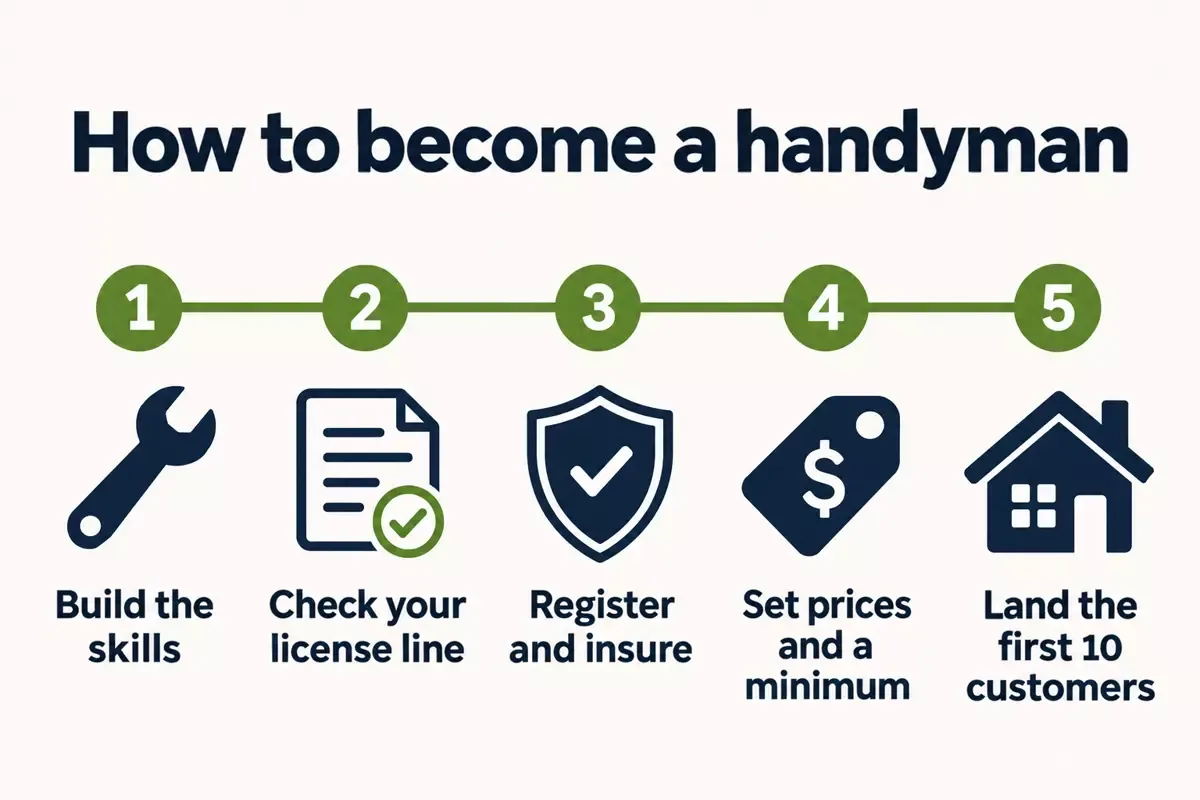
How to become a handyman
- Build the skills on paid hours
Start with the jobs customers call about most: drywall patches, doors, caulk, fixtures, fences, shelves and mounting. Then work for a handyman company, a property manager or a maintenance crew for a year or two, so you get paid while you learn and see how jobs are priced and scheduled.
- Check your state's license line
Find out which jobs and dollar amounts your state lets you take without a contractor license, and which trades (electrical, plumbing, gas, HVAC) always need one.
- Register the business and get insured
Pick a name, register it with your state, get a local business license if your city asks for one, and buy general liability insurance.
- Set your rate and a minimum visit
Work out what an hour of your time really costs, then set a minimum charge per visit so short jobs still pay for the drive.
- Land your first 10 customers
Start with neighbors, friends of friends, local groups and property managers. Send every customer a written quote and ask happy ones for a review.
Step 1 takes the longest. Steps 2 to 4 are a few weeks of paperwork. Step 5 never really ends.
Do you need training or a degree to be a handyman?
No. There is no handyman degree, and no national certificate that customers ask for. You need practical skills, a reliable vehicle and enough judgment to know which jobs to turn down. Community colleges and trade schools run short courses in carpentry, basic electrical and building maintenance, which help if you are starting from zero, but paid experience counts for more.
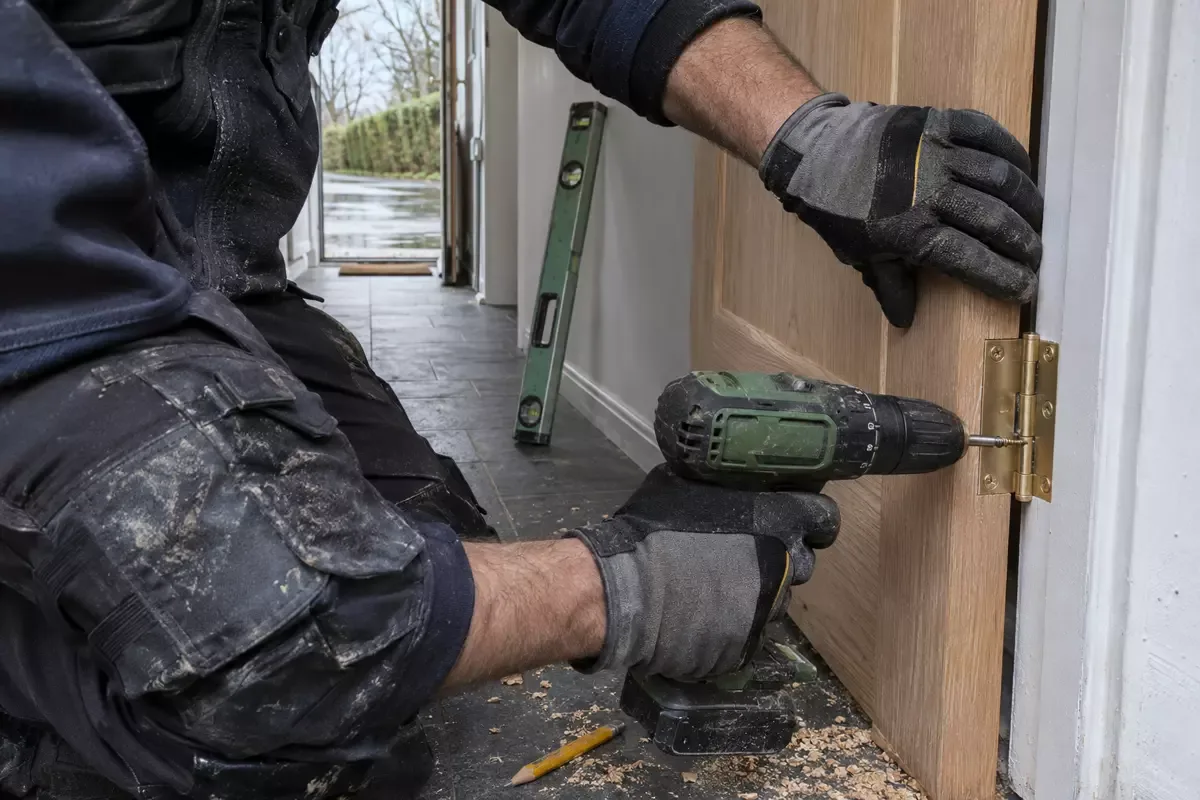
These are the skills that bring in most of the calls, and the cheapest way to learn each one:
| Skill | Typical job | Where to learn it |
|---|---|---|
| Drywall repair | Patch a doorknob hole, tape a crack | Your own walls, a maintenance crew |
| Doors and hardware | Rehang a sagging door, swap a lockset | Manufacturer install guides, practice doors |
| Caulk and grout | Re-caulk a tub, regrout a backsplash | Your own bathroom, a cleaning or turnover crew |
| Light carpentry | Replace fence pickets, fix a deck board, hang shelves | A carpentry class, a fence or deck crew |
| Mounting and assembly | Mount a TV, assemble furniture, hang blinds | Your own house, a moving or assembly job |
| Fixture swaps | Faucet, toilet flapper, light fixture | Learn the basics, but check your state first: some of this is licensed trade work |
Pick three or four of these and get fast at them before you go wide. A handyman who does five jobs well gets more repeat calls than one who does thirty jobs slowly. Furniture assembly and heavy carrying lead some handymen into moving work, and starting a moving company follows the same quote-first order.
Which route fits your situation
Where you start decides the shortest route in.
| Your situation | Best first move | Why |
|---|---|---|
| No experience, need a paycheck | Get hired by a handyman company or apartment maintenance team | You learn on paid hours and see real job pricing |
| Coming from a trade (carpentry, painting, flooring) | Go solo sooner and add two or three adjacent skills | You already know how to work clean and fast |
| Side income on weekends | Keep a short job list and a firm minimum visit | Weekend hours are scarce, so short trips have to pay |
| Leaving a maintenance job | Start with property managers you already know | They send repeat work and pay on a schedule |
Get paid experience before you go solo
A year or two on someone else's payroll is the cheapest training you will ever get. BLS counted 1,621,800 general maintenance and repair jobs in 2025, so these jobs are not hard to find. Apartment complexes, property managers, schools and handyman franchises all hire people who can show up and fix things.
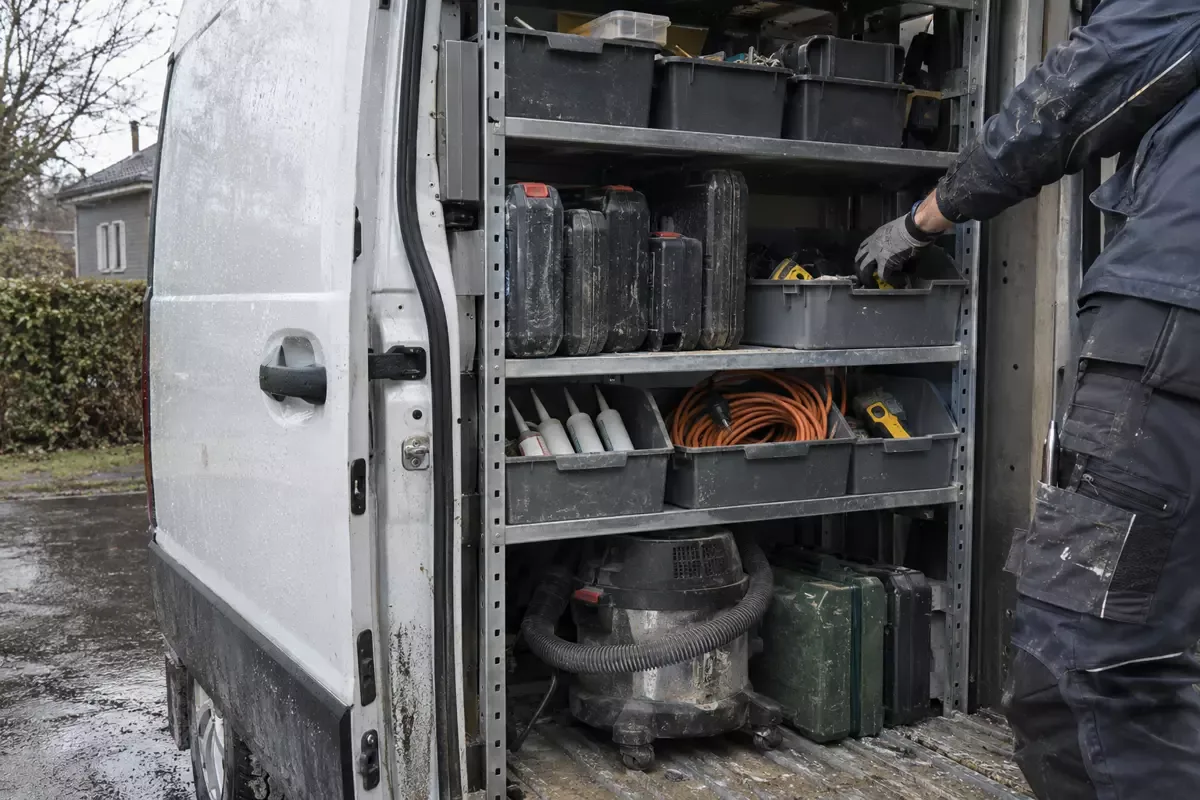
Use that time to learn the parts nobody teaches in a class: how long a job really takes, what to keep in the van, how to talk a customer through a change, and what the company charges compared with what it pays you. That last gap is your future margin.
Do you need a license to be a handyman?
In most states you can do small repairs without a state contractor license, up to a dollar limit per job. Electrical, plumbing, gas and HVAC work usually need a trade license at any size. The rules change by state and sometimes by county, so check before you quote.
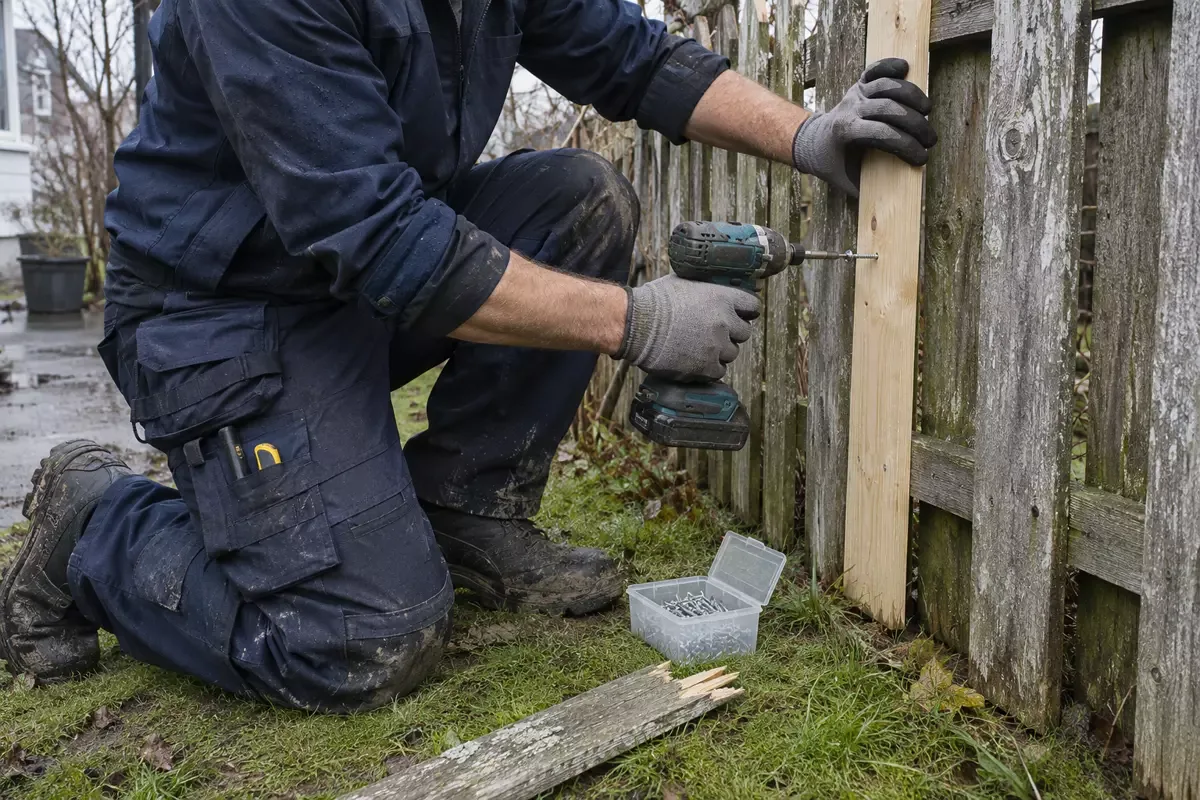
Our full guide on how to get a handyman license walks the state rules and dollar limits in detail. The short version for planning: know your state's per-job limit and which trades it reserves, and keep every quote inside that line. If you want to do the licensed trade work yourself one day, that is a separate path, like the ones in our guides on how to become an electrician and how to become a plumber.
Register the business and get insured
Once you take money in your own name, you are a business. The SBA's guide to registering a business covers the state side. In practice, a new handyman usually needs:
- a business name registered with the state, or an LLC if you want one
- a local business license if your city or county requires it
- general liability insurance, because a cracked tile or a flooded floor is your bill
- a separate bank account so job money and your own money never mix

Do this before the first paid job, not after the first problem. Property managers and many homeowners ask for proof of insurance before they book, and you want to be able to say yes on the spot.
How much money do handymen make?
As employees, about $24 an hour. BLS groups handymen with general maintenance and repair workers, whose median pay was $49,590 a year, or $23.84 an hour, in May 2025. The lowest 10 percent earned less than $35,350 and the highest 10 percent more than $77,180.
On your own, your billed rate has to be much higher than that wage, because it pays for things your employer used to cover.
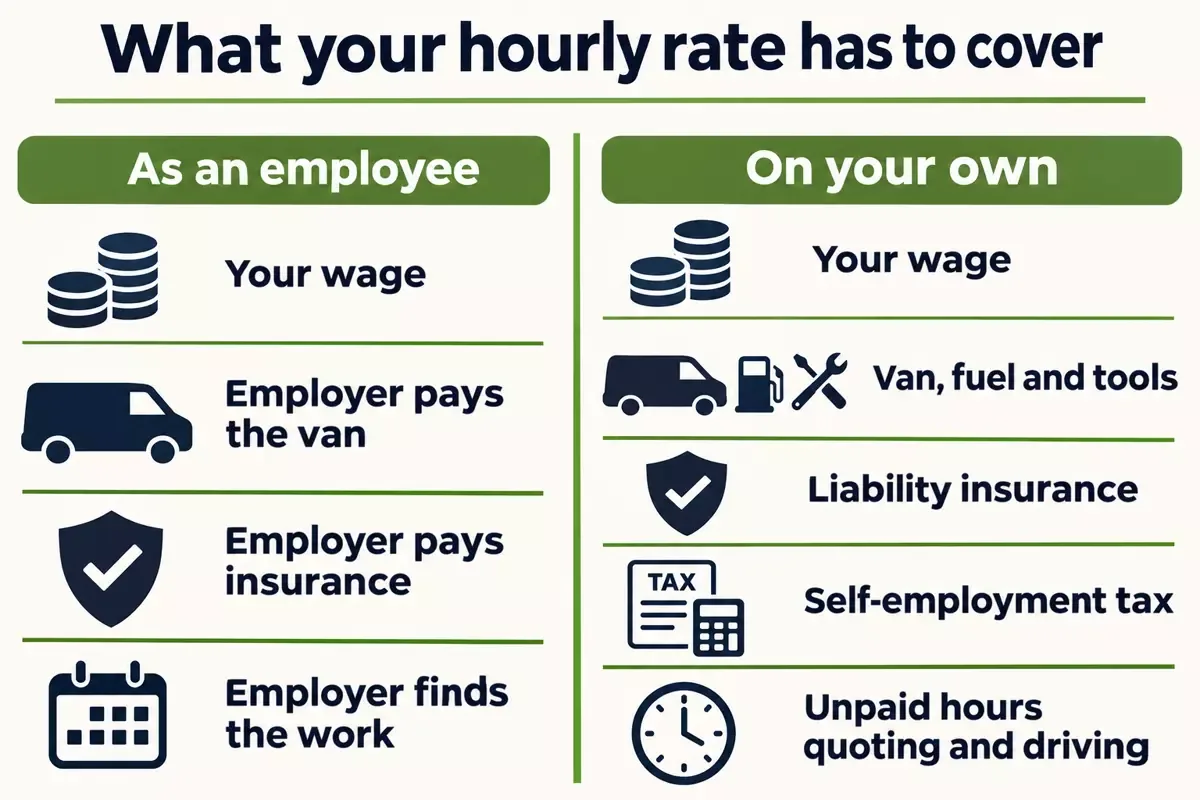
The IRS self-employment tax alone is 15.3 percent, the employer and employee halves of Social Security and Medicare combined. Add the van, fuel, tools, insurance and the hours you spend quoting and driving. Work out what an hour of your time really costs before you pick a number, and check the markup and margin on materials so the parts you buy for a job do not come out of your labor.
Is $50 an hour good for a handyman?
It depends less on the rate than on how many of your hours you get to bill. $50 an hour for a full day of on-site work is fine for a new handyman. $50 an hour on 45-minute jobs with 30 minutes of driving between them works out to $30 for every hour you are on the clock, close to the employee median before you pay a single business cost.
Here is the same math at $80 an hour. Drive and setup are 30 minutes per stop:
| How you bill | You get paid | Time tied up | What you earn per hour |
|---|---|---|---|
| On-site time only, 45-minute job | $60 | 1 hr 15 min | $48 |
| One-hour minimum, same job | $80 | 1 hr 15 min | $64 |
| Half-day block, 4 hours of tasks | $320 | 4 hr 30 min | $71 |
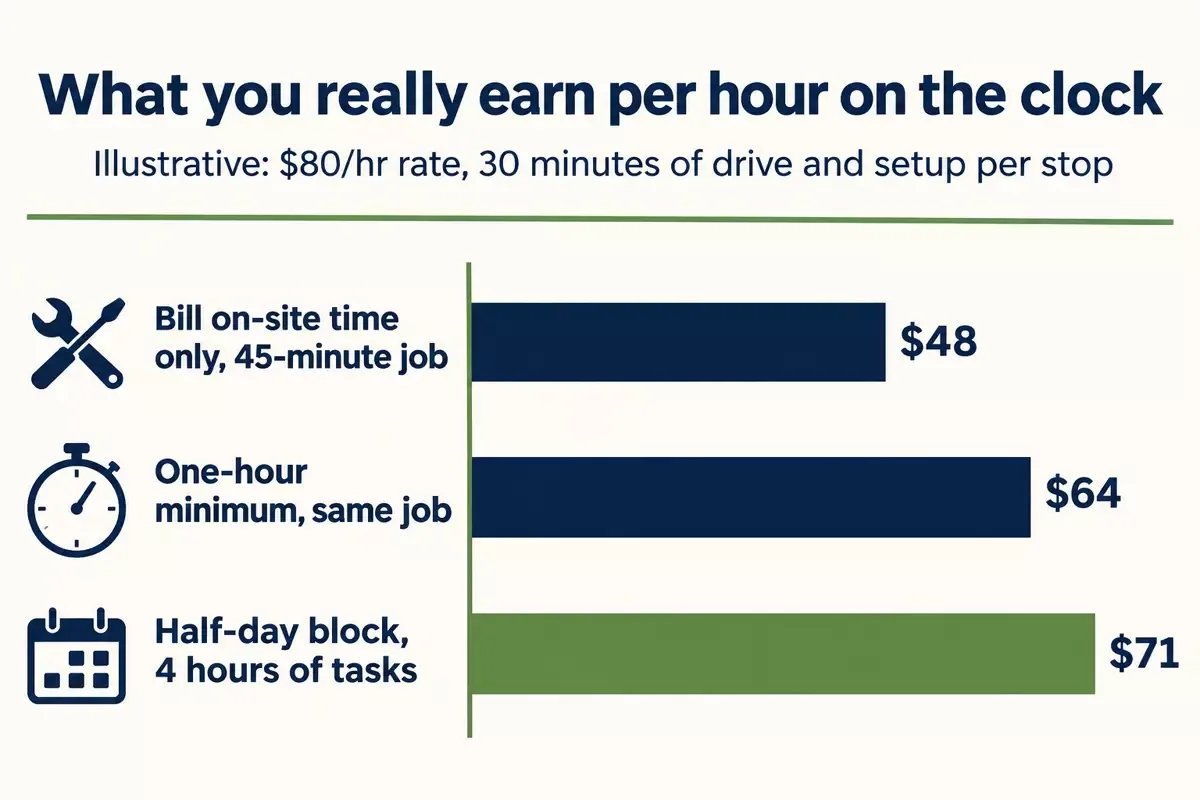
The rate never changed. The minimum and the task list did. That is why many handymen ask customers to save up a list, quote a half-day or full-day block, and set a minimum visit that covers the drive. Our handyman price list builds flat prices from task hours with the minimum as a floor.
Mistakes that cost new handymen money
- Billing like an employee. Your old wage plus a little is not a business rate. It leaves out tax, insurance, the van and the unpaid hours.
- No minimum visit. A $45 job across town loses money once you count the drive.
- Saying yes to licensed trade work. A panel swap or a gas line can cost you a fine and your insurance. Quote your part and bring in a licensed sub for theirs.
- Verbal quotes. Without a written scope, every "while you are here" turns into free work. Use a written quote the customer approves every time.
- Buying materials on your own card with no markup. You carry the cost and the trip to the store for nothing.
Once the customers come: the office work
Getting good at the work makes you a handyman. Running the paperwork makes you a business. Most new owners do it at the kitchen table after the last job, retyping the same prices into a blank estimate template and writing a work order for each visit.
That holds for the first few customers. It breaks when you are standing in someone's hallway with a list of eight small tasks and need your prices on your phone, not in a file at home. Driveway Desk is built for that moment: your price book remembered, the quote drafted in the driveway, the invoice sent in one tap and paid into your own Stripe or Square account. If you are comparing tools, here is how Jobber and Housecall Pro stack up for a small crew.
Price it once, then start your first quote from the driveway next time.
Price it once, then start your first quote from the driveway next time.
Skills first, then the minimum
Learn a handful of repair jobs well, get paid experience, and check your state's license line before you quote. Register the business, buy insurance and open a separate account. Then set a minimum visit and push customers toward task lists, because the hours you bill decide your income more than the rate you charge.
Put the method to work
Handyman price listBuild a handyman flat price from task hours and materials, using your own hourly rate and minimum visit.
Frequently asked questions
BLS groups handymen with general maintenance and repair workers, whose median pay was $49,590 a year, or $23.84 an hour, in May 2025. The top 10 percent earned more than $77,180. Handymen who run their own business bill more per hour but also pay their own tax, insurance and vehicle costs.
It is a reasonable starting rate if most of your day is billed on site. It is not good if you spend half your day driving between short jobs: 45-minute jobs with 30 minutes of travel between them earn about $30 per hour on the clock. A minimum visit and stacked task lists matter more than the rate.
Handywoman is the common term, and handyperson is the gender-neutral one. Many people in the trade just say handyman, home repair tech or maintenance tech for anyone who does the work. Customers searching for help mostly type handyman, so that is the word to use on your listings.
Put the method to work
Labor cost calculatorDivide paid-hour costs by the billable-hours ratio, then allow for your target margin to find a selling rate.
Your prices, remembered.
Build your first quote on your phone in about two minutes, send it, and get paid into your own account.
Start your first quoteShare article
About the author
Field notes team
We write practical guides for home service crews of one to five. Our editorial standard is to show the calculation, state its assumptions, cite primary sources for factual claims and date competitor comparisons. We distinguish worked examples from market prices and correct errors when they are found. We do not claim trade licenses or credentials on behalf of the team.
More articles

Running a small crew · 12 min
How to Get a Handyman License: State Rules and Dollar Limits
How to get a handyman license: many states have none, so the job decides. The dollar limit, the permit, the trade and your helpers set the line. Rules for California, Tennessee, Louisiana, Ohio and Wisconsin, plus the steps to license up.

Running a small crew · 9 min
Jobber Alternatives: 4 Options Priced for Small Crews
Find a Jobber alternative for a small crew. Compare dated vendor costs, user limits and job allowances, then test the workflow your business needs.

Running a small crew · 9 min
Jobber vs Housecall Pro: Real Prices for 1 to 5 People
Jobber vs Housecall Pro compared on the plans that include QuickBooks sync, for one to five people, with prices from both pricing pages checked November 2, 2026.

Running a small crew · 10 min
Housecall Pro Pricing 2026: Basic, Essentials and MAX
Compare Housecall Pro pricing for small crews, with standard plan costs, included users, QuickBooks requirements and separate payment-fee notes.

Running a small crew · 10 min
Jobber Pricing 2026: Real Cost for 1, 3 and 5 People
Review Jobber pricing for one, three or five people, with dated plan costs, QuickBooks gates and payment-fee examples for a small service crew.

Running a small crew · 12 min
Work order template: free printable job sheet with a filled example
A free work order template you can fill in, print or save as a PDF, plus what to include, how to write one and a filled example from a real residential job.