How to Start a Moving Company Business: 6 Steps and the Math
Driveway Desk team Updated 9 November 2026 11 min read

Your next job
Less time at the desk.
Build your price book, schedule the next visit and turn completed work into an invoice.
Start your first quoteIn this article
To start a moving company business, pick the kind of moving you will do first (labor only, local with a truck, or interstate), register the business and get the permits that kind of move needs, buy or rent the kit, and write an hourly crew rate with a minimum before you book a single job. Most new movers do it the other way round and buy a truck first.
Short answer
Start labor only or local, not interstate. Register the business, check your state's mover rules, insure it, then price a crew-hour with a minimum and put every charge on a written quote before move day.
Which kind of moving company should you start?
This is the decision that sets your startup cost, your paperwork and your first customers. There are three ways in, and they stack: you can start on the left and grow to the right.
| Your situation | Start as | Why |
|---|---|---|
| One person plus a helper, small budget | Labor only | No truck to buy, insure or park. You load and unload rental trucks and containers the customer already booked |
| Two to five people, a truck you can rent or buy | Local mover | Full moves inside one state pay more per job, and you control the whole day |
| Crew of five, truck owned, steady local work | Add interstate later | Federal registration, more insurance and longer jobs. Worth it once local runs smoothly |
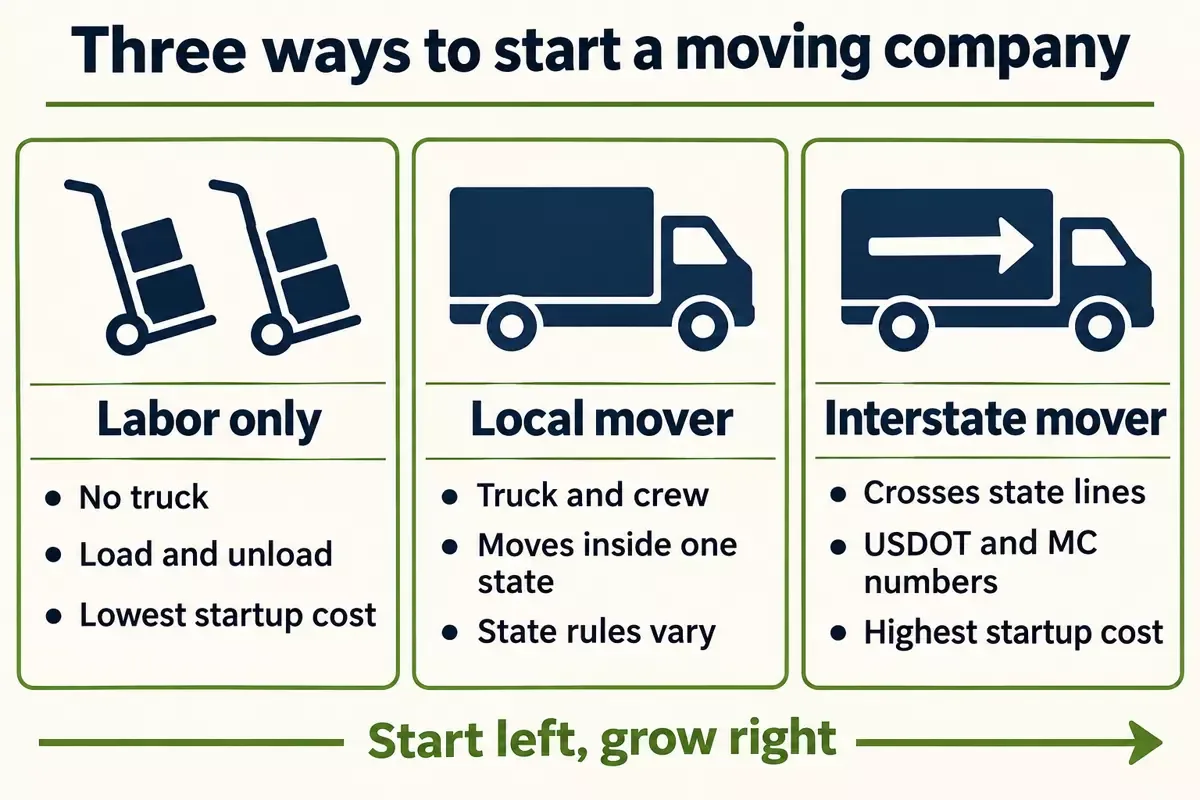
The cheapest moving company to start does not own a truck. Labor-only crews load and unload rental trucks and moving containers that the customer already booked. You bring two people, a hand truck, blankets and straps. The truck, the fuel and the road risk stay with the customer, and your startup bill is a fraction of a box truck. You learn to quote, pack and stack a load on someone else's vehicle, and when the calls for full moves start coming in, you know your crew-hour cost before you sign a truck loan.
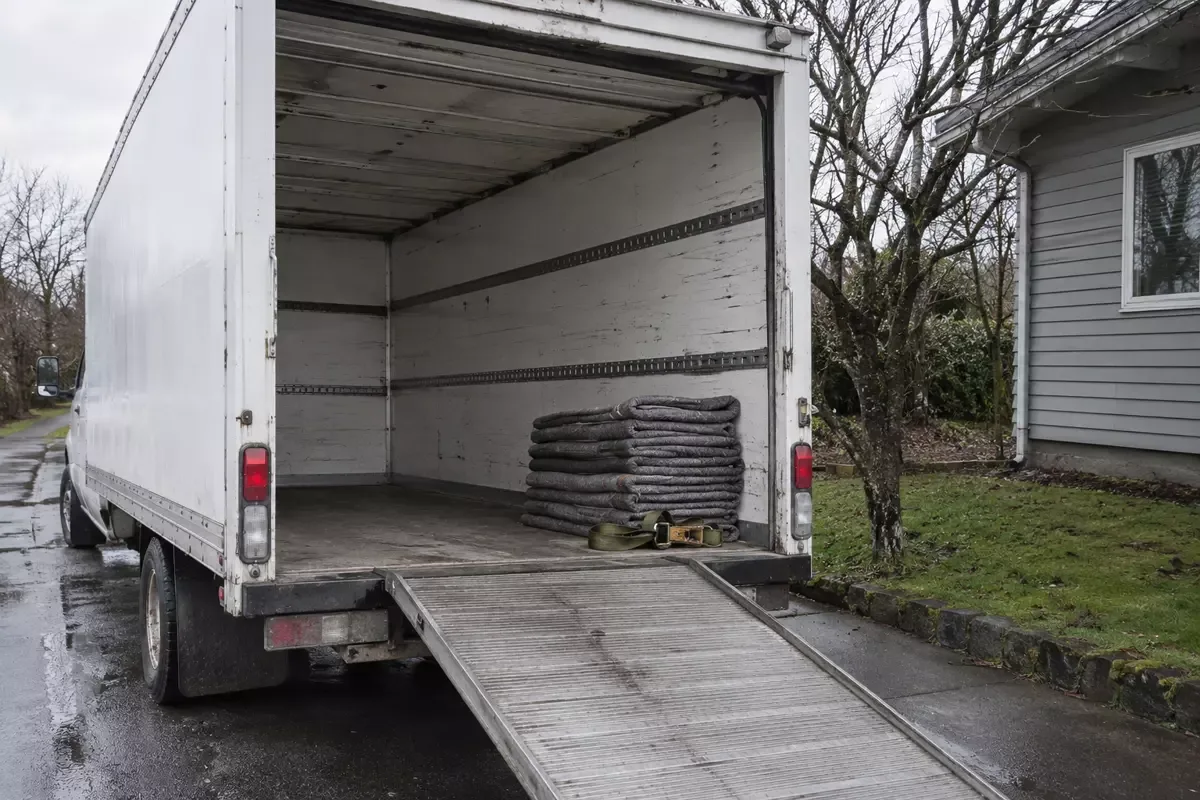
Register the business and get the right permits
Rules vary by state and city, so treat this as a checklist to confirm, not a ruling:
- Structure and tax ID. Many owner-operators start as a sole proprietor or a single-member LLC. Get an EIN from the IRS if you will hire a helper or open a business bank account.
- Business license. Most cities and counties want a general business license. Ask your city clerk.
- State mover rules. Many states license or register movers that carry household goods inside the state, often through the state DOT or utility commission. Check before your first full move.
- Interstate moves. Carrying household goods across a state line for pay means a USDOT number and FMCSA operating authority, the MC number. FMCSA explains who needs operating authority and what it costs to file.
- Driver's license. Check the GVWR on the truck's door sticker. A vehicle rated at 26,001 lbs or more needs a CDL.
- Insurance. Get general liability, commercial auto if you run a truck, and workers' comp once you have a helper, quoted before your first paid job. You are carrying other people's furniture through other people's door frames.
The SBA's 10 steps to start your business walk through the registration side in order.
What equipment does a moving company need?
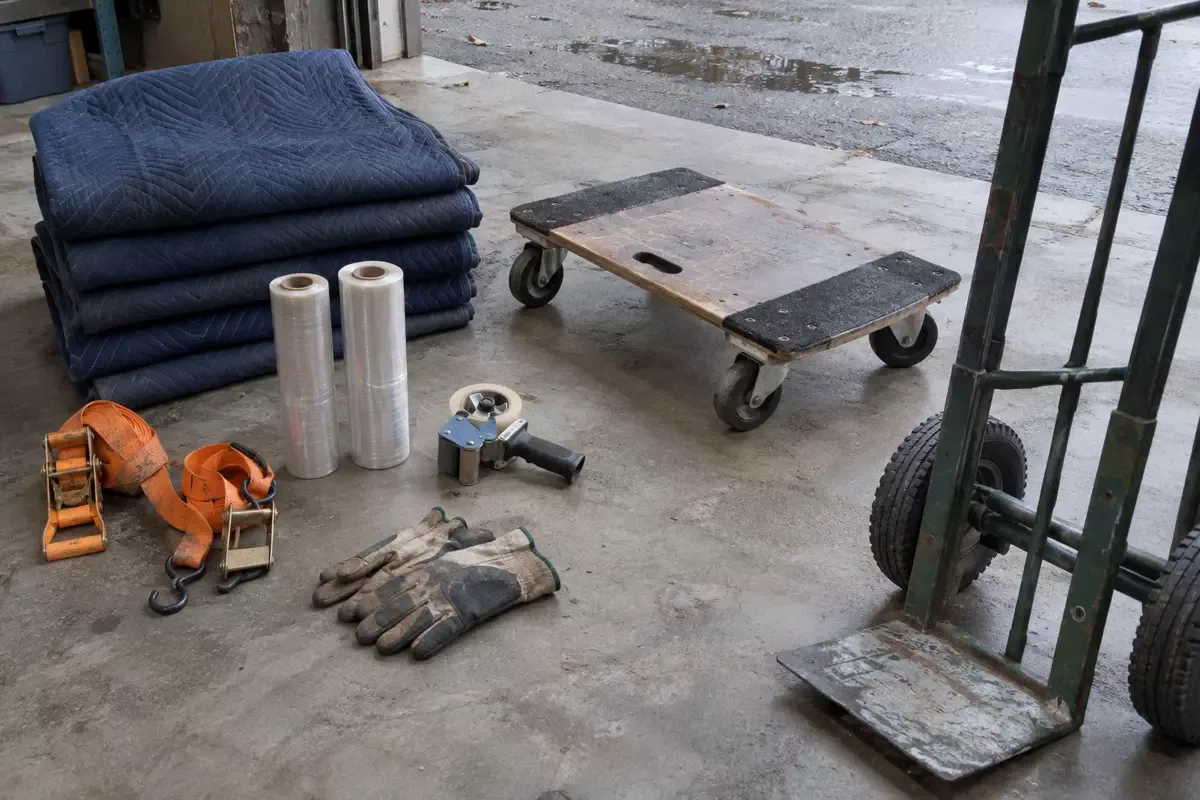
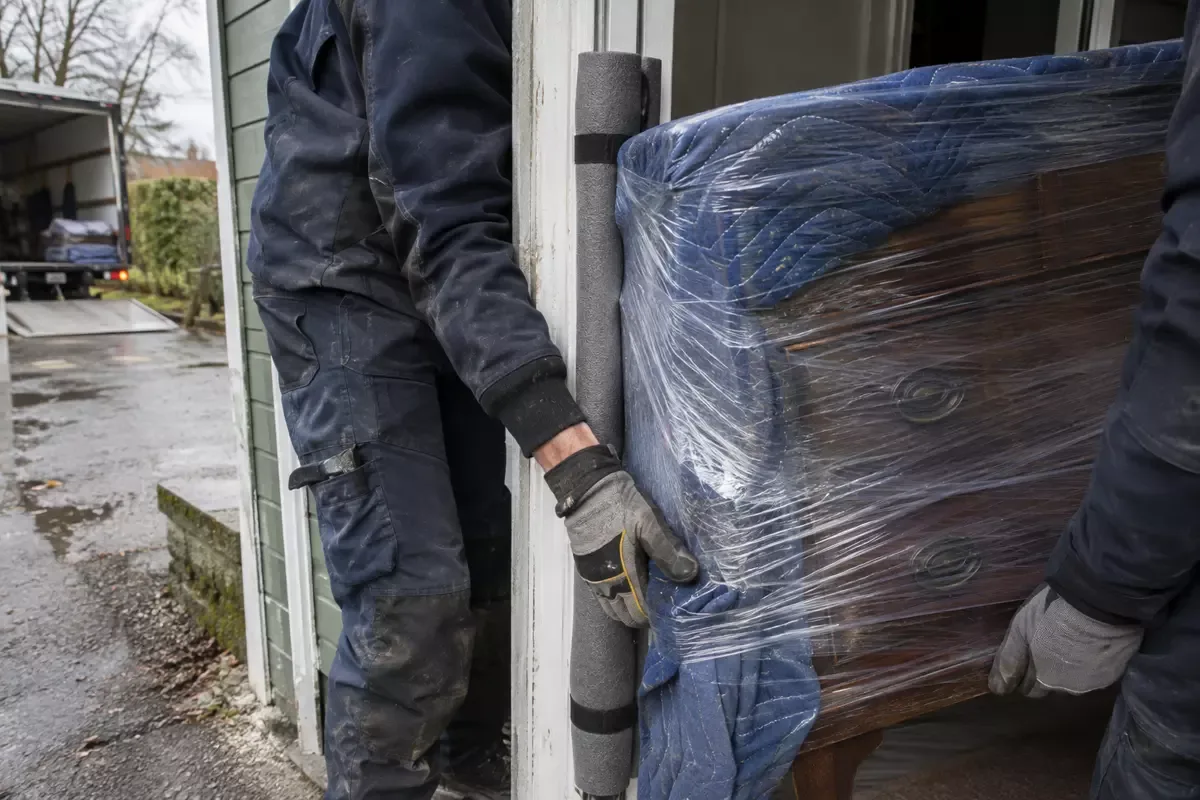
A labor-only crew needs a two-wheel hand truck, two four-wheel furniture dollies, 24 or more quilted moving blankets, stretch wrap, ratchet straps, a tape gun, door jamb protectors, floor runners, a basic tool kit for taking beds and tables apart, and good gloves. That kit fits in a pickup or a small van.
A local mover adds the truck. Most new movers rent a box truck by the job for the first months, then buy once the bookings justify the payment. Before you buy, get three local quotes for each item, add insurance and three months of fuel and wrap, and that total is your startup budget. Divide it by your profit per job to see how many moves it takes to pay back.
Price a crew-hour, not a move
Local moves in the US are mostly sold by the hour: a rate for a crew of two or three, plus a truck, with a minimum. Build that rate from your costs, not from the cheapest ad in town. Here is the math for a two-person crew with a truck. These are illustrative inputs, not market prices: swap in your own.
| Cost per crew-hour | Illustrative input | Per hour |
|---|---|---|
| Helper wage | $20/hr plus 15% payroll allowance | $23 |
| Your own pay | $30/hr | $30 |
| Truck | Rental or payment, fuel, divided by booked hours | $25 |
| Insurance and overhead | Policies, phone, ads, divided by booked hours | $12 |
| Cost of the crew-hour | $90 | |
| Profit | About 22% of the price | $25 |
| Rate you quote | 2 movers and truck | $115 |
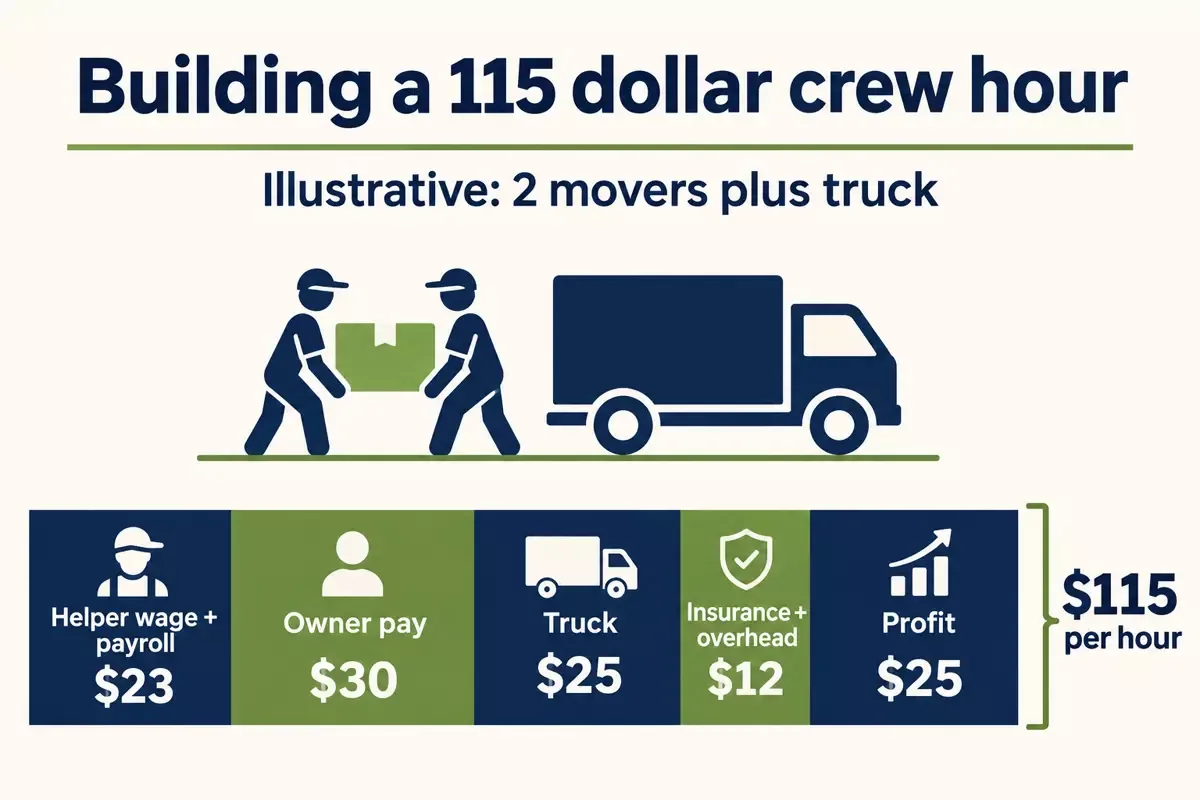
Labor only is the same table without the truck line: $90 of cost becomes $65, and a $90 rate keeps a similar margin. Run your own numbers through what an hour of your time really costs, then check the margin with the markup and margin calculator.
Now apply it to a real job: a two-bedroom apartment, ground floor to ground floor, across town.
| Line on the quote | Hours | Amount |
|---|---|---|
| Travel to the first address | 0.5 | $57.50 |
| Load | 2.0 | $230.00 |
| Drive between addresses | 0.5 | $57.50 |
| Unload and set up beds | 1.5 | $172.50 |
| Stretch wrap and tape, at cost plus markup | $30.00 | |
| Total | 4.5 | $547.50 |
The minimum matters most on the small jobs. A one-hour studio load at a two-hour minimum is $230, and that is fair: the drive, the setup and the pack-up take the same time for a studio as for a house.
Price it once, then start your first quote from the driveway next time.
Put every charge on a written quote
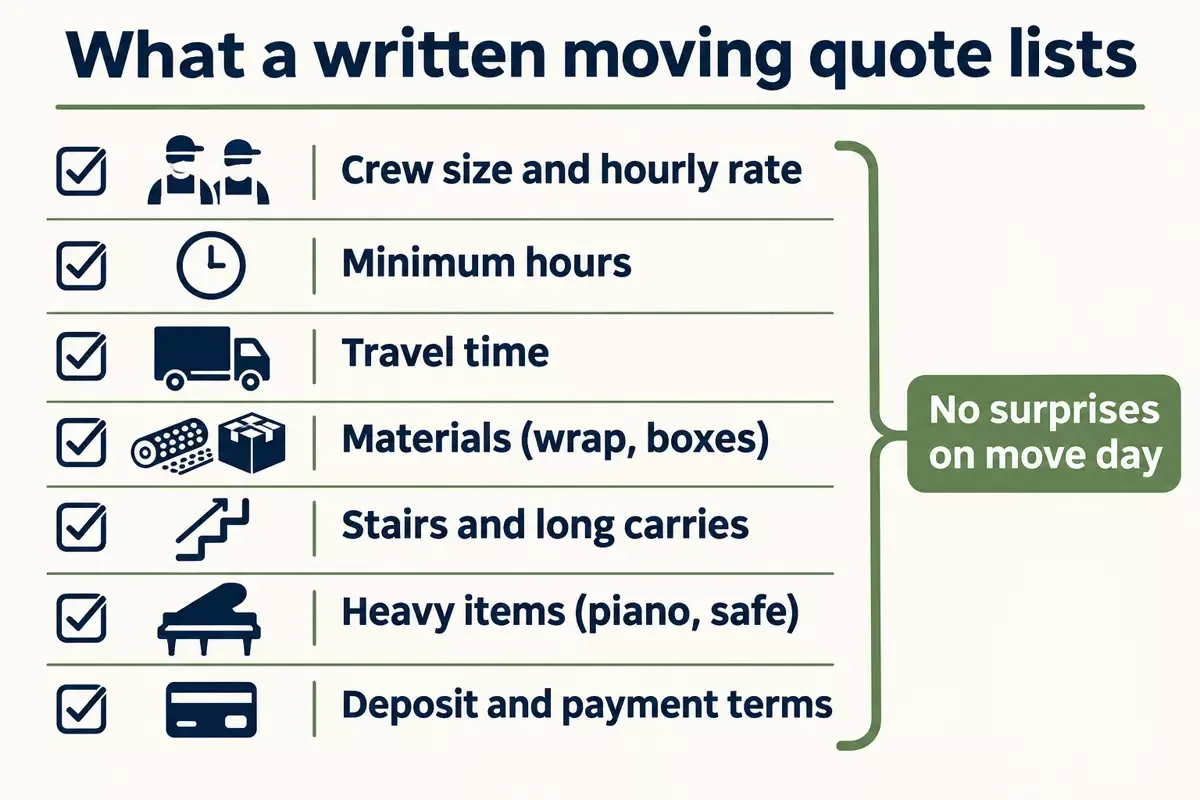
Customers searching for movers are afraid of the bill on move day. The extra charges they hear about are the same every time: minimum hours, travel time, stairs, long carries from the truck to the door, heavy items, materials and the deposit. A new company that lists all of them up front wins against a cheaper number that hides them.
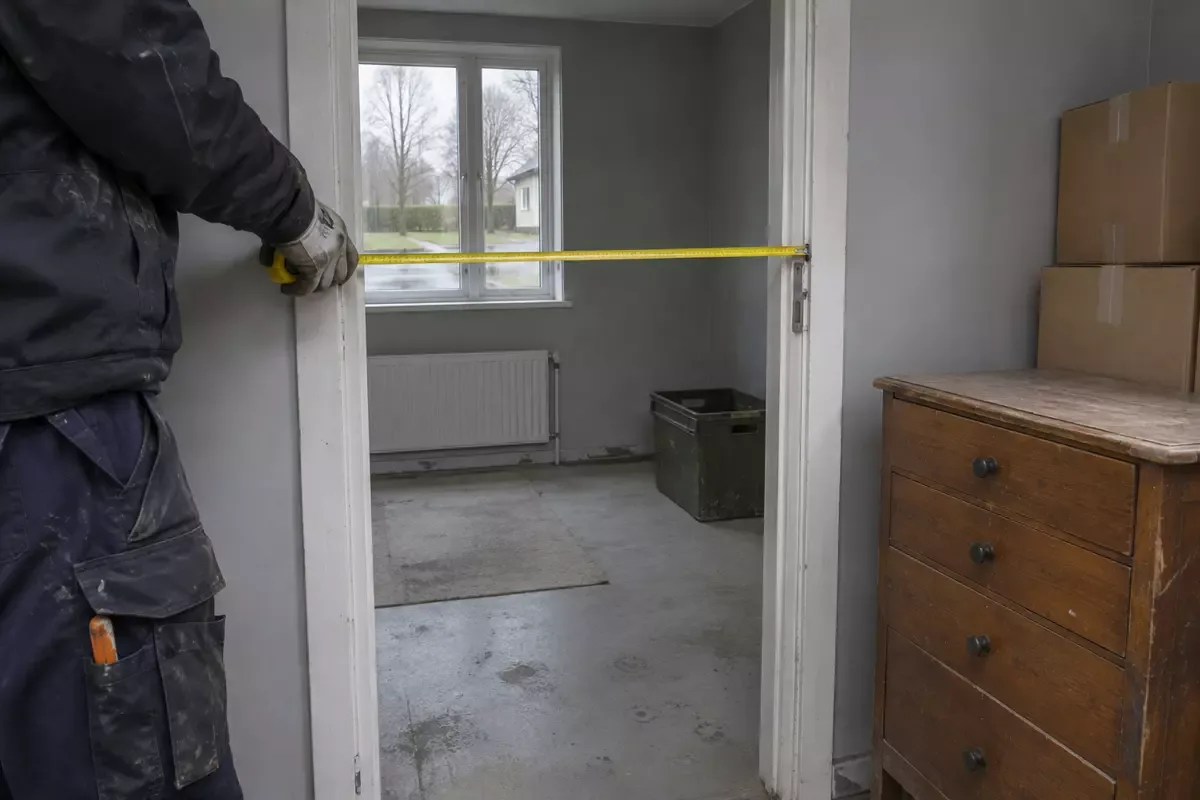
Walk the home or do a video call before you quote. Count the rooms, note the stairs and the distance from the curb, and measure the big pieces against the doorways. Write it as an estimate when the volume is uncertain, or a fixed quote when you have seen everything. Then copy the inventory onto a work order for the crew.
Start your moving company in order
How to start a moving company business
- Pick your model
Labor only, local or interstate, from the table above. Start with one.
- Register and insure the business
Set up your structure, EIN and business license, check your state's mover rules, and get liability, auto and workers' comp quoted.
- Buy or rent the kit
Hand truck, dollies, blankets, wrap and straps first. Rent the truck by the job until bookings pay for one.
- Set your crew-hour rate and minimum
Build the rate from wages, truck, overhead and profit. Set a minimum that covers the drive and the setup.
- Quote every job in writing
Walk the home, list every charge and send the quote before you book the date.
- Invoice on the day and ask for a review
Send the invoice before the crew leaves and ask a happy customer for a review the same evening.
Run it from your phone, not the kitchen table
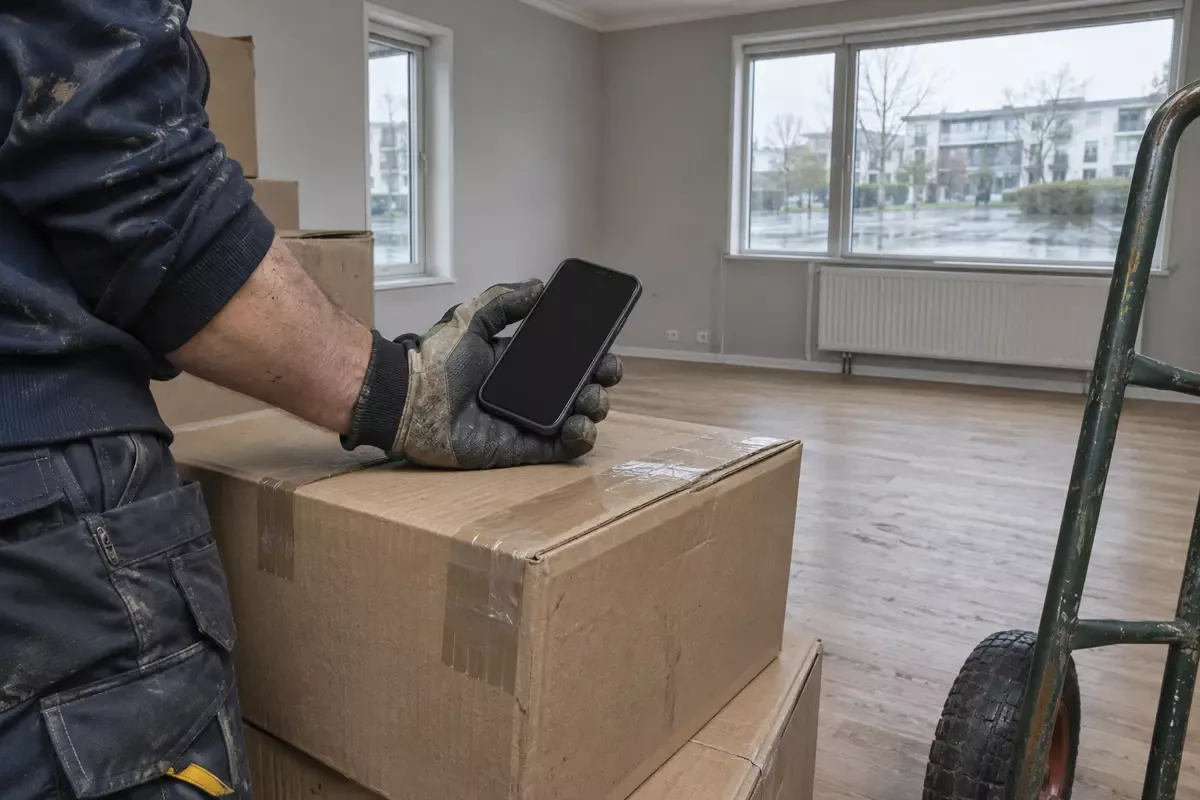
Paper and a spreadsheet hold up for the first dozen moves. The wall comes after that: you re-type the same crew rate and minimum into every quote at night, invoices go out days late, and the customer who wanted a review request never gets one. Driveway Desk keeps your price book, so a quote with every line on it takes a few taps in the customer's living room, the invoice goes out when the last box is down and gets paid into your own Stripe or Square account, and each customer's history sits on their record for the next move. If you are comparing the bigger apps, here is how Jobber and Housecall Pro compare for a small crew.
Price it once, then start your first quote from the driveway next time.
Mistakes that cost new movers money
- Buying the truck first. A truck payment with no booked moves is the fastest way to close. Rent until the calendar is full.
- No minimum. A one-hour job costs you the same drive and setup as a four-hour one.
- Quoting a number without a walkthrough. Stairs, a long carry and a piano nobody mentioned turn a profitable job into a loss or an angry customer.
- Hiding the extras. A low hourly rate with surprise charges on the day reads like the moving scams customers have been warned about.
- Skipping floor and door protection. A scratched floor or a dented door frame can cost more than the whole job paid.
- No customer list. Movers get repeat work from the same families and from their referrals. A move without a name, address and date on record is a referral you will not get back.
Start small, quote clean, buy the truck last
Pick labor only or local work first, register and insure for that kind of move, and price every job from one crew-hour rate with a minimum and every extra written down. Buy the truck when the calendar asks for it. If you want a second service for slow months, starting a cleaning business follows the same order, and move-out cleans sell well to the same customers. Other route trades follow the same register, insure and price order: starting a pest control business just adds an applicator license on top.
Put the method to work
Labor cost calculatorDivide paid-hour costs by the billable-hours ratio, then allow for your target margin to find a selling rate.
Frequently asked questions
It depends mostly on the truck. A labor-only crew needs a hand truck, dollies, blankets, wrap, straps, insurance and registration fees. A local mover adds a box truck, rented by the job or bought, plus commercial auto insurance, which is the largest line. Price each item locally, add three months of fuel and insurance, and divide by your profit per job to see how many moves pay it back.
List the minimum hours, travel time to the first address, stairs or elevator time, long carries from the truck, heavy items such as a piano or safe, packing materials and the deposit and payment terms. When every one of them is on the written quote, the customer is not surprised on move day and you are not arguing at the door.
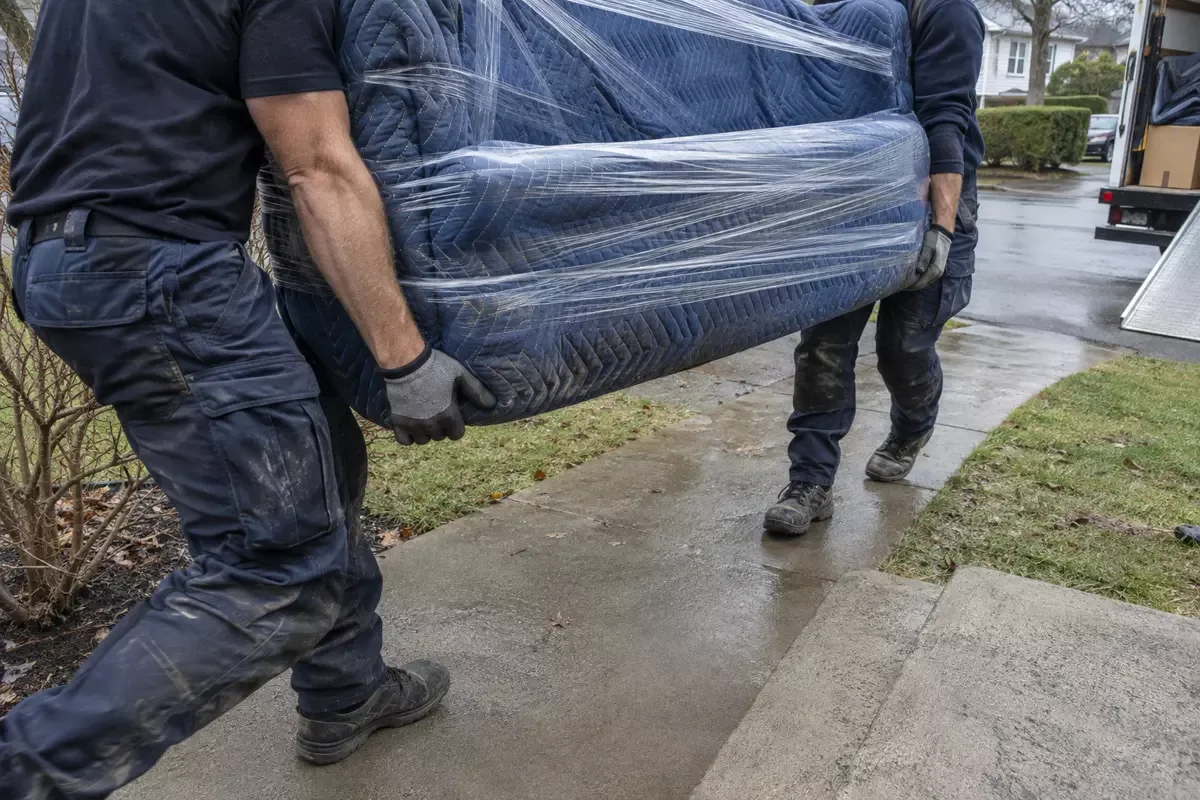
A mover protects the home with floor runners and door jamb guards, takes apart beds and tables, wraps furniture in blankets and stretch wrap, carries and stacks the load in the truck, drives or rides to the new address, then unloads, places furniture and reassembles it. On a two-person crew, both people do all of it, so hire for careful hands as much as strength.
Customers are warned about movers with no written estimate, a large cash deposit, no physical address, a different company name on the paperwork and, for interstate moves, no USDOT number. A new company earns trust by doing the opposite: a written quote with every charge, a small deposit, a real address and its registration numbers on the quote.
Put the method to work
Labor cost calculatorDivide paid-hour costs by the billable-hours ratio, then allow for your target margin to find a selling rate.
Your prices, remembered.
Build your first quote on your phone in about two minutes, send it, and get paid into your own account.
Start your first quoteShare article
About the author
Field notes team
We write practical guides for home service crews of one to five. Our editorial standard is to show the calculation, state its assumptions, cite primary sources for factual claims and date competitor comparisons. We distinguish worked examples from market prices and correct errors when they are found. We do not claim trade licenses or credentials on behalf of the team.
More articles

Running a small crew · 13 min
What Do I Need to Start a Mobile Detailing Business? Full Checklist
The mobile detailing startup checklist: paperwork and insurance, the wash and interior kit for the services you sell first, how many towels to stock, and the quote, work order and payment setup.

Running a small crew · 13 min
Roofing Company Business Plan: 7 Parts + Cash Flow Example
A roofing company business plan in seven short sections, with a worked example: one reroof priced line by line, revenue by month, and how much cash a busy June ties up before homeowners pay.

Running a small crew · 11 min
How to Get Clients as a Realtor: 5 Channels That Work
How to get clients as a realtor: start with your sphere and past clients, build referral partners among the trade pros already inside homes, then add open houses and one farm area. Includes a 90-day plan and the commission math.

Running a small crew · 14 min
How to Get Bookkeeping Clients: 6 Ways That Actually Work
How to get bookkeeping clients: start with people you know and local tax preparers, sell a fixed-price cleanup first, then pick one niche, such as trade contractors, and become the bookkeeper its owners refer.

Running a small crew · 13 min
How to Start a Mobile Detailing Business: Water, Kit, Prices
Start a mobile detailing business in order: pick your first customers, sort licenses and insurance, solve water before buying a polisher, price by your real hours plus the drive, and book the maintenance wash.

Running a small crew · 13 min
How to Get Clients for Your Home Service Business: 7 Ways
How to get clients for a home service business: tell everyone you know, verify a free Google Business Profile, ask for reviews, work the street around every job, and follow up every quote you already sent before you buy a single lead.