How to Get a Handyman License: State Rules and Dollar Limits
Driveway Desk team Updated 13 November 2026 12 min read

Your next job
Less time at the desk.
Build your price book, schedule the next visit and turn completed work into an invoice.
Start your first quoteIn this article
Short answer
To get a handyman license, first find out whether your state has one at all. Many states do not license "handymen" by name. A license is triggered by the job instead: its dollar value, whether it needs a building permit, whether it is electrical, plumbing, gas or HVAC work, and whether you hire help. Know those four lines for your state, then register the business and insure it.
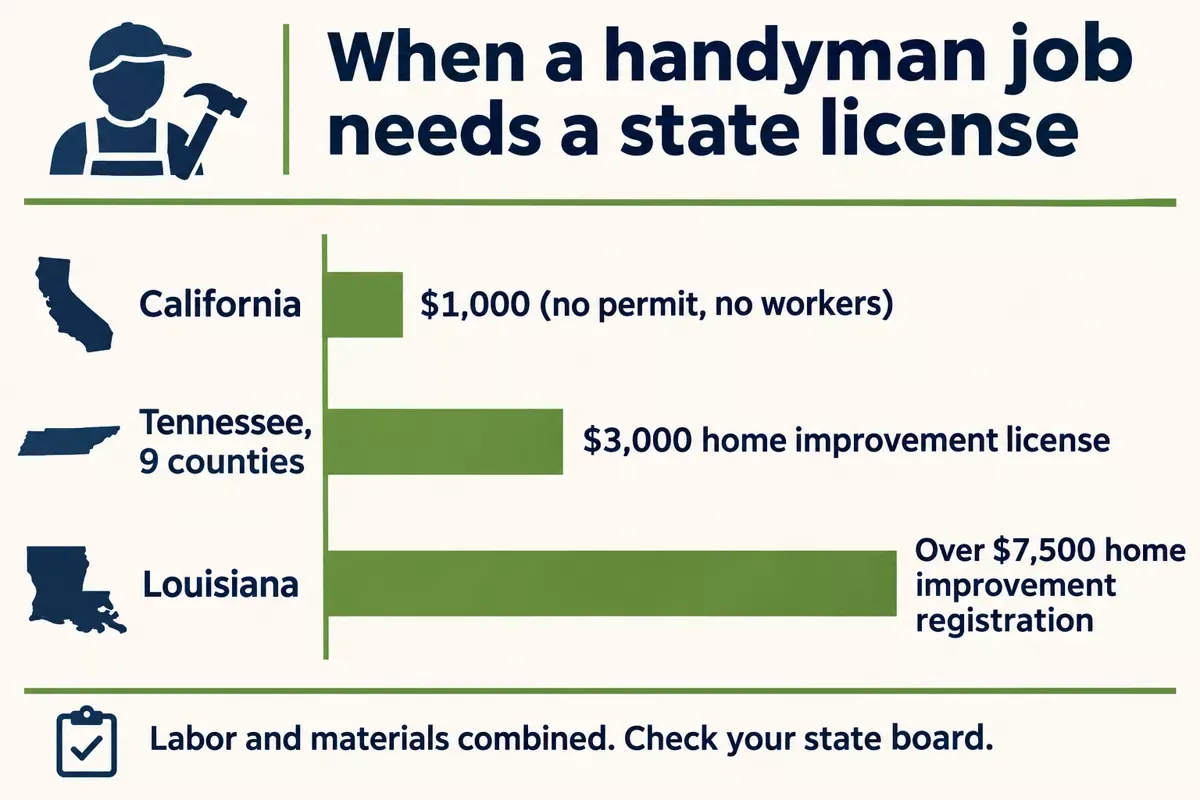
Most people searching for a handyman license expect one form, one exam and one fee. In many states that form does not exist. California lets you take jobs under $1,000 with no contractor license, as long as no permit is needed and you work alone. Ohio has no state license for general or handyman work at all. Tennessee only steps in at $3,000, and only in nine counties.
The license is triggered by the job, not your job title. So the real work is learning where your state draws its lines, then quoting every job with those lines in mind. This guide shows the lines in four states, the steps to get licensed when you cross one, and how to price so you know which side of the line a job sits on before you say yes.
Do you need a license to be a handyman?
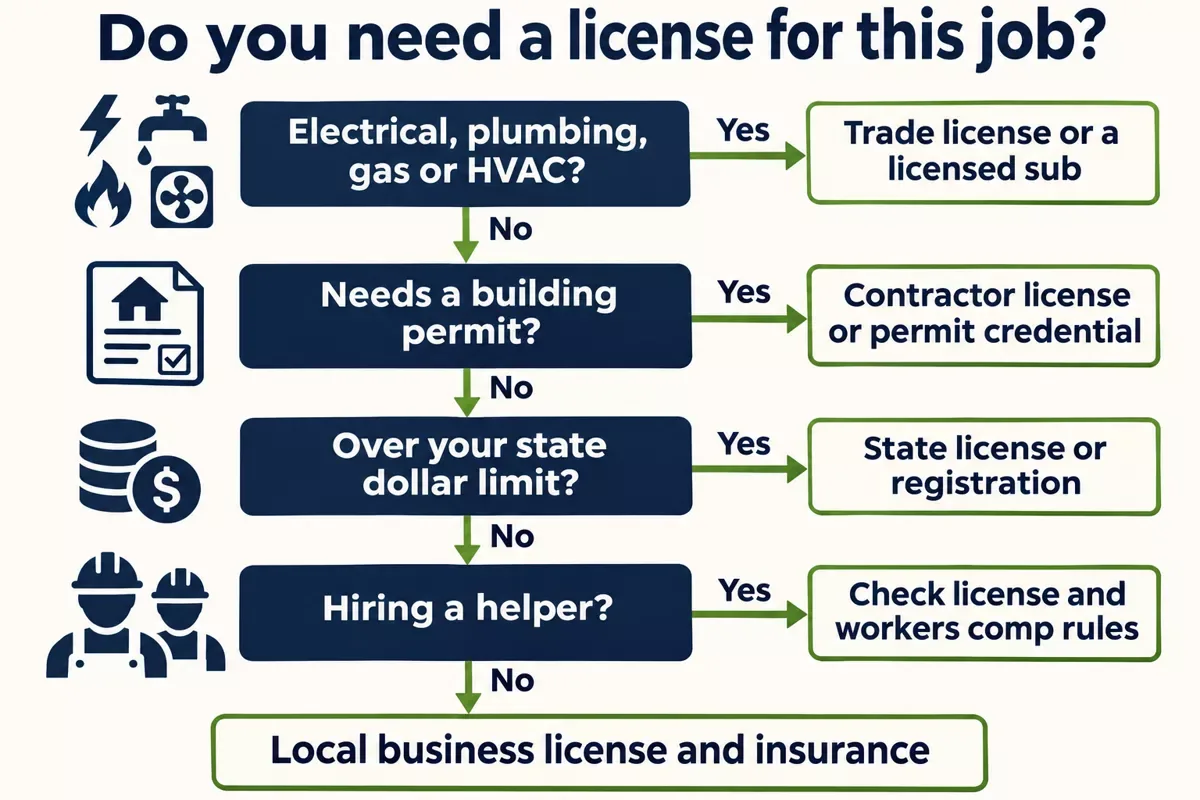
It depends on the job, not the trade name. In many states you can do small repairs with only a local business license. You need a state contractor license or registration once a job passes a dollar limit, needs a building permit, or touches a licensed trade like electrical or plumbing.
Four tests decide it. Run every job through them before you quote:
- Is it trade work? Electrical, plumbing, gas and HVAC are licensed separately almost everywhere, even on a $150 job.
- Does it need a building permit? Permit work usually needs a licensed contractor or a credential to pull the permit.
- Is it over your state's dollar limit? Labor and materials together, on one job.
- Are you hiring help? Some exemptions only cover a person working alone.
Handyman license rules in four states
Here is how the lines fall in four states people ask about most. Use it as a map, not legal advice, and check your own state board before you rely on it. Florida sits outside the table: casual, minor jobs under $2,500 in total are exempt, and anything past that needs a state contractor license in FL.
| State | Statewide handyman license? | Where the line is | Source |
|---|---|---|---|
| California | No | Unlicensed work allowed only under $1,000 total, no permit, no employees | CSLB, AB 2622 (effective Jan 1, 2025) |
| Tennessee | No | Home improvement license for $3,000 to under $25,000 residential remodeling in 9 counties; contractor license at $25,000 | TN Board for Licensing Contractors |
| Louisiana | No | Home improvement registration over $7,500; residential license at $50,000 or any structural work | LSLBC licensing guide (2025) |
| Ohio | No | No state general contractor license; state licenses only for electrical, HVAC, plumbing, hydronics and refrigeration contractors; cities and counties set the rest | Ohio Department of Commerce, OCILB |
| Wisconsin | No | A Dwelling Contractor certification is needed to pull a building permit on a one- or two-family home | Wisconsin DSPS |
California: the $1,000 rule
The Contractors State License Board raised the handyperson exemption from $500 to $1,000 on January 1, 2025. The $1,000 covers labor, materials and everything else on the project. It only applies if no building permit is needed and you do not employ anyone. If you advertise, the ad must say you are not licensed. Go over any of those lines and you need a contractor license in the right classification, and the CSLB licensing steps show how to pick that class and pass the two exams.
Tennessee: county by county
Tennessee requires a home improvement license for residential remodeling from $3,000 to under $25,000, but only in Bradley, Davidson, Hamilton, Haywood, Knox, Marion, Robertson, Rutherford and Shelby counties. At $25,000 and up you need a full contractor license from the state board. Outside those nine counties, small remodeling jobs fall to local rules.
Louisiana: registration first, license later
The Louisiana State Licensing Board for Contractors says home improvement jobs over $7,500 must be bid or performed by a home improvement registrant or a licensed contractor. The registration asks for $100,000 in general liability insurance and proof of workers' compensation coverage. Residential jobs of $50,000 or more, or any structural work, need a residential building contractor license.
Ohio and Wisconsin: the trade and the permit decide
Ohio licenses five trades at the state level: electrical, HVAC, plumbing, hydronics and refrigeration. General and handyman work is left to cities and counties, so call your local building department. Wisconsin works off the permit. Once a job on a one- or two-family home needs a building permit, the person pulling it needs a Dwelling Contractor certification.
What a handyman can do without a license
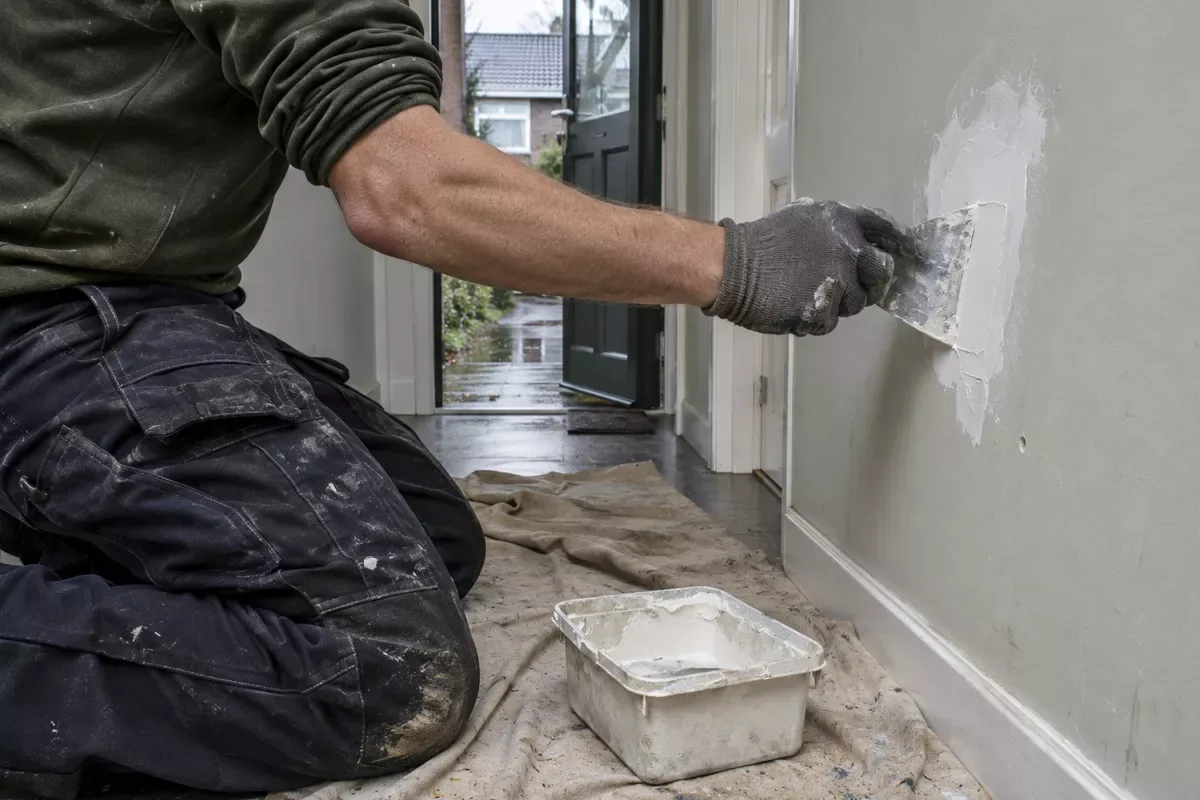
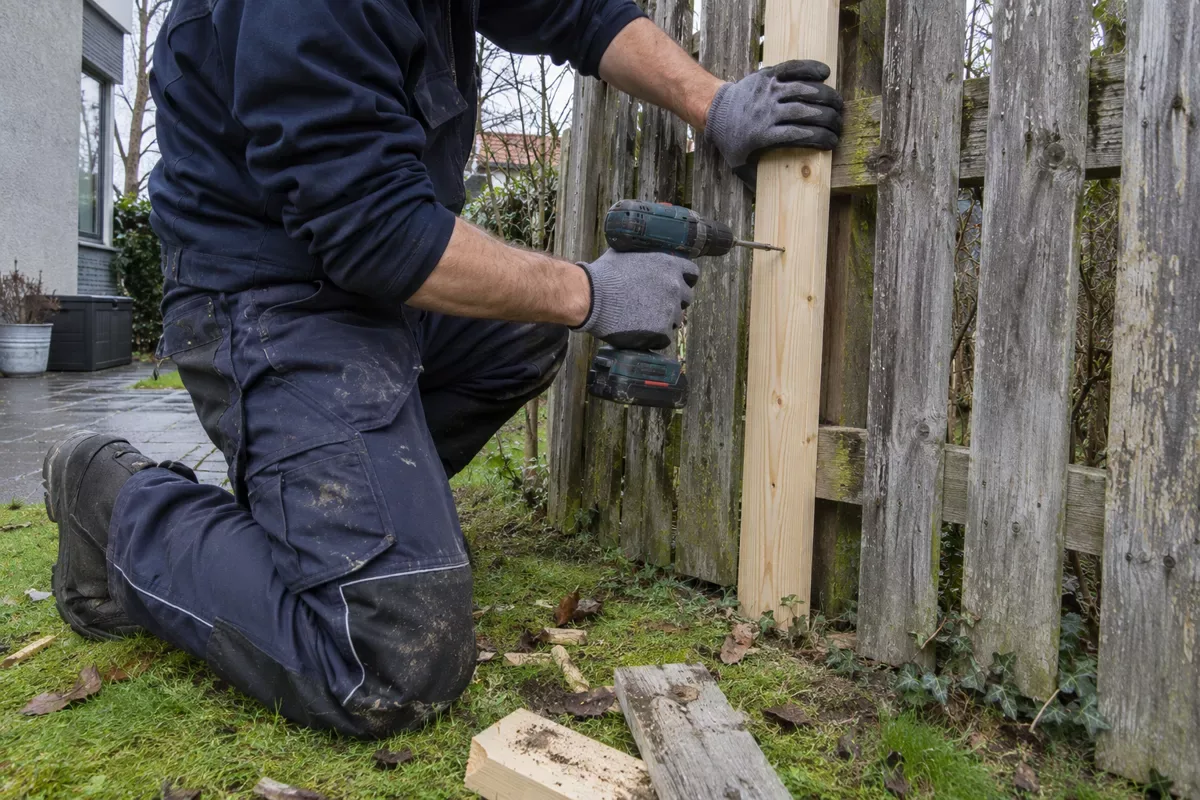
Small repairs that need no permit and touch no licensed trade are the safe zone in most places. Patching drywall, hanging a door, replacing fence boards, painting, caulking and mounting a TV usually qualify. New circuits, gas lines, water heaters, AC installs, wall removals and reroofs usually do not.
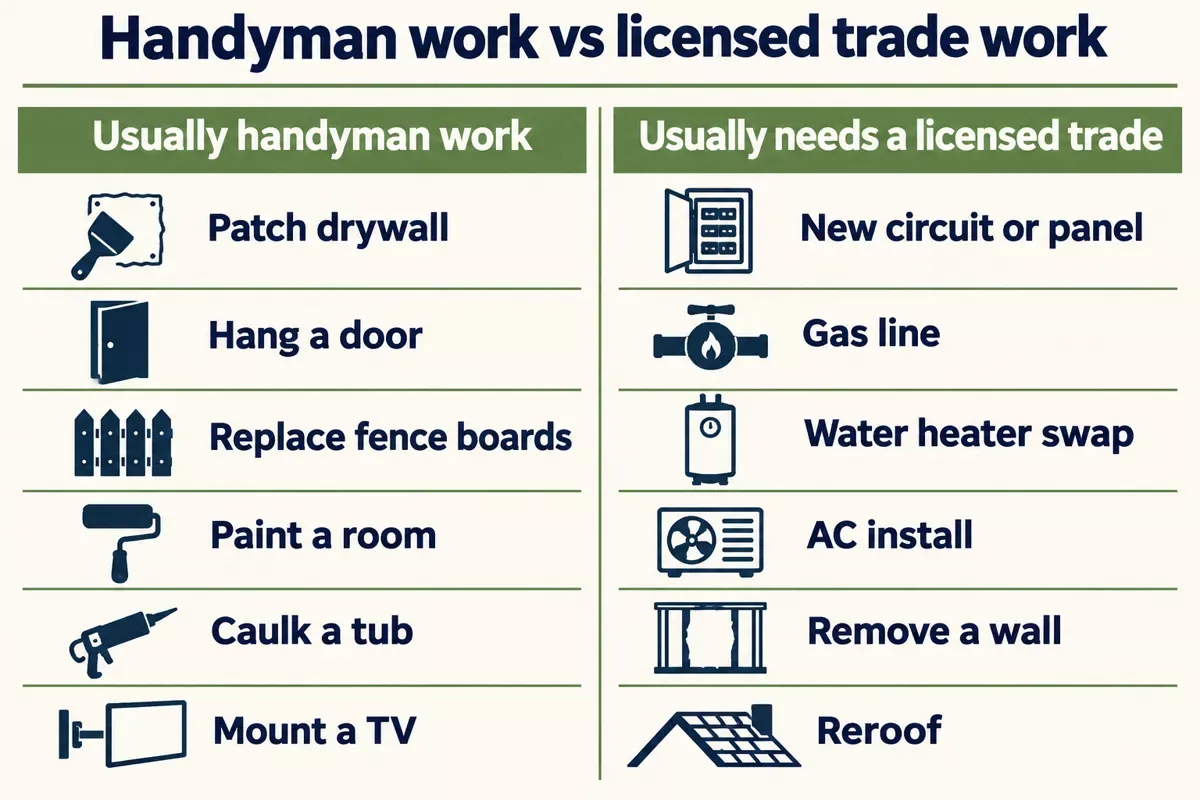
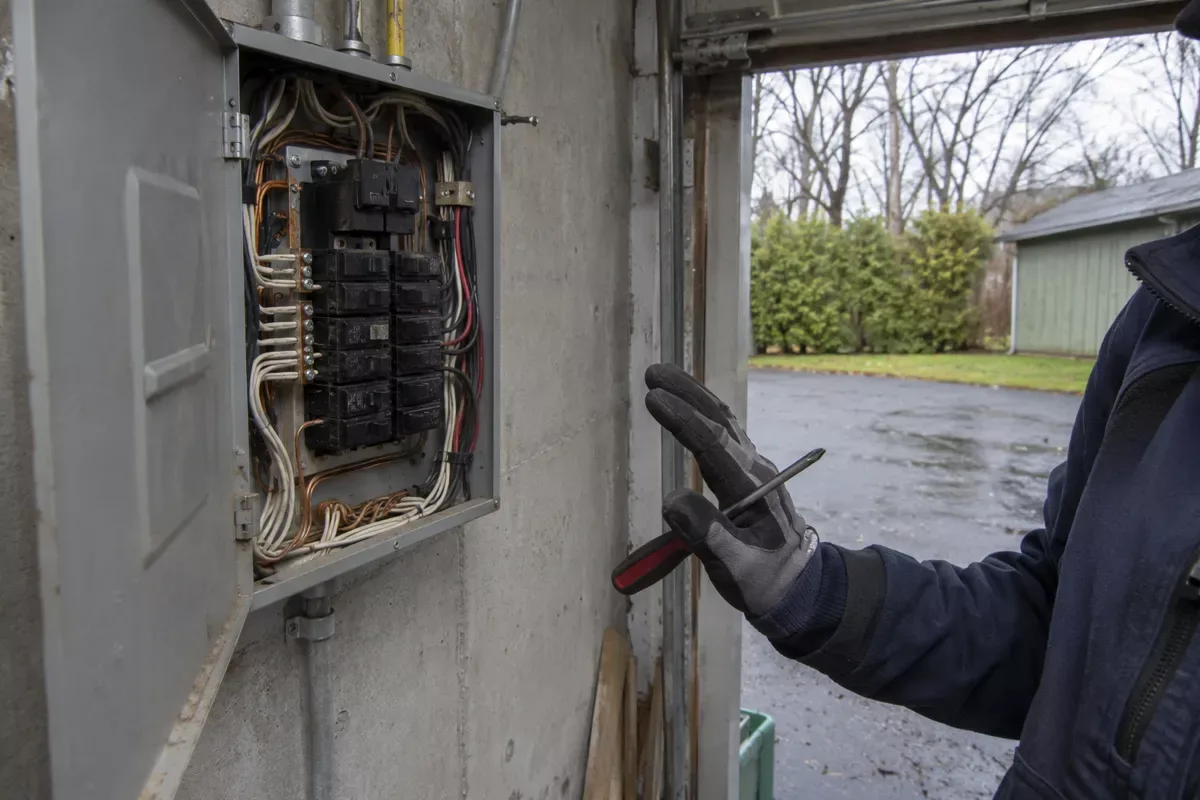
The trade line is the one that catches people. A $90 outlet swap can need an electrician's license even in a state that lets you build a $900 fence with no license at all. When a customer asks for trade work, the clean answer is to quote your part and bring in a licensed sub for theirs. If electrical calls keep coming in, the route to your own electrician's license runs through a 4 to 5 year apprenticeship, so the sub is the answer for now.
How to get a handyman license, step by step
How to get a handyman license
- Look up your state and city rules
Search your state contractor licensing board and your city or county building department. Write down the dollar line, the permit rule and which trades need their own license. CareerOneStop's license finder, run by the US Department of Labor, points to the right office for each state.
- Register the business
Pick a structure (sole proprietor or LLC), register your business name, and get the local business license your city or county requires. The SBA's licenses and permits guide lists the federal, state and local layers.
- Buy general liability insurance
Most state registrations ask for it, and many customers will too. Louisiana's home improvement registration, for example, requires at least $100,000 in coverage.
- Apply for the state license or registration if your jobs cross the line
Fill in the application, pass any business and law or trade exam, and pay the fee. Some states also want a bond or a minimum net worth.
- Keep your scope inside what you hold
Quote every job against your state's lines. If a job needs a permit or a trade license you do not have, sub that part out or pass on it.

Mistakes that cost new handymen money
- Splitting one job into two invoices to stay under the limit. Boards look at the whole project, and California counts labor, materials and everything else together.
- Doing "just this one" outlet or faucet. Trade work without the trade license breaks the law in most places, and your policy may not cover the damage.
- Hiring a helper under an exemption that only covers you. In California, employing anyone ends the $1,000 exemption.
- Skipping insurance because no license required it. One cracked tile or flooded floor costs more than a year of premiums.
- Pricing like an employee. Your old wage leaves out insurance, the truck, license fees and the hours spent on quotes at night. Check what an hour of your time really costs before you set rates.
Price every job so you know which side of the line it sits on
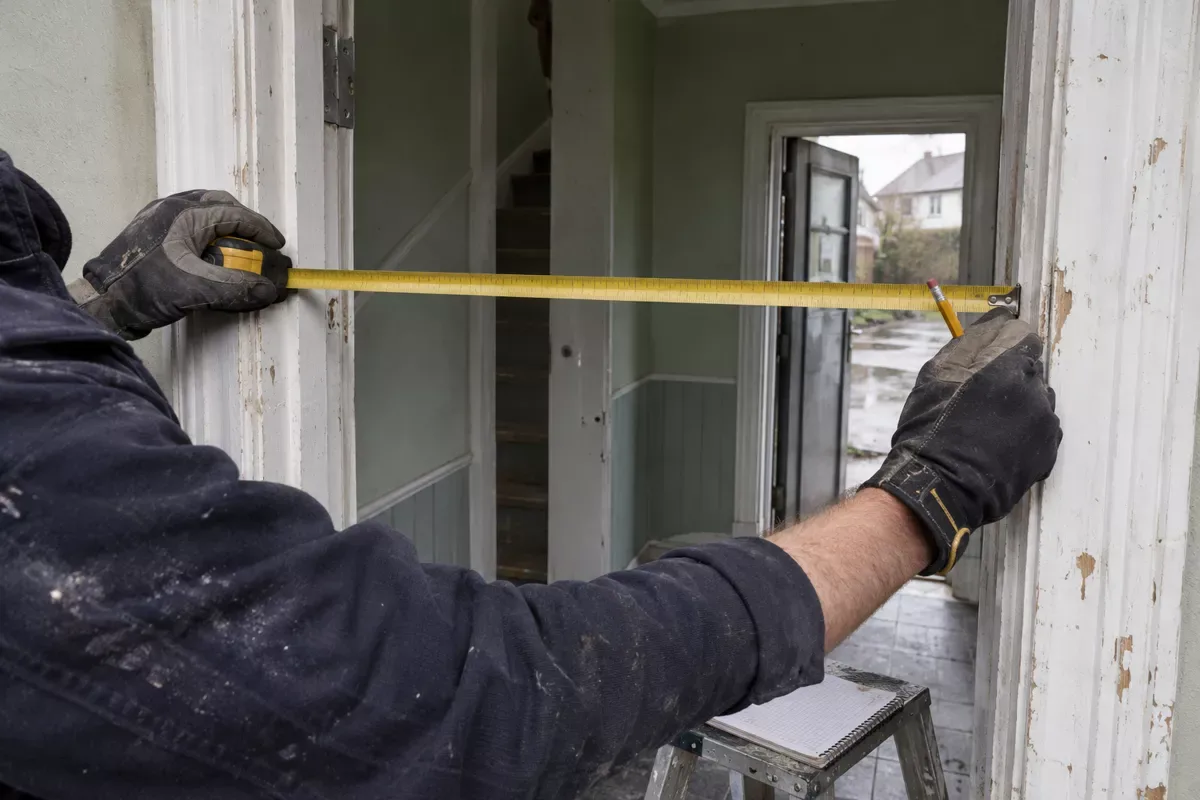
The dollar line only helps if you know the job total before you agree to it. That means a written quote with labor and materials on separate lines. Start from a handyman price list for common jobs, then put the numbers into a simple estimate or a quote the customer can approve. Add your markup on materials so the total is the real number you would bill.
| Example job | Labor | Materials | Total | Over California's $1,000 line? |
|---|---|---|---|---|
| Patch and paint two drywall holes | $240 | $45 | $285 | No |
| Hang and trim one interior door | $320 | $260 | $580 | No |
| Replace 12 fence boards and one post | $520 | $410 | $930 | No, but close |
| Same fence job plus a new gate | $760 | $690 | $1,450 | Yes: needs a license |
These numbers are illustrative, not market rates. The point is the last column: the gate pushed a fence repair over the line. Notice that before you agree to it, not after.
When the paperwork is done: the office work starts
A license, or the lack of one, does not quote the job or chase the invoice. Most new handymen do that part at the kitchen table at night, retyping the same prices into a spreadsheet and adding up totals by hand.
That works for the first few customers. It breaks when you are standing in a customer's hallway, the job is growing, and you need the total now to see if it crosses your state's line. Driveway Desk is built for that wall: your price book remembered, the quote drafted in the driveway with labor and materials on their own lines, the invoice sent in one tap and paid into your own Stripe or Square account. If you are comparing tools, see what Housecall Pro charges a small crew or Jobber's plans for a one-truck shop.
Price it once, then start your first quote from the driveway next time.
Price it once, then start your first quote from the driveway next time.
Setting up from scratch? The registration and insurance order is the same across trades, and our guides on starting a lawn care business and starting a pressure washing business walk through it. Once jobs come in, put each one on a work order so the scope is written down.
Know your line, then license up when you cross it
There is no one handyman license to get. Look up your state's dollar line, permit rule and trade rules, register the business and buy liability insurance. Quote every job with labor and materials written out, so you see when a job crosses a line. When your jobs grow past it, get the registration or license, because that is when the bigger, better-paid work opens up.
Put the method to work
Handyman price listBuild a handyman flat price from task hours and materials, using your own hourly rate and minimum visit.
Frequently asked questions
Not for small jobs. Louisiana has no handyman license, but home improvement jobs over $7,500 must be done by a home improvement registrant or a licensed contractor, per the LSLBC. Residential jobs of $50,000 or more, or any structural work, need a residential building contractor license.
Only above certain amounts. A home improvement license is required for residential remodeling from $3,000 to under $25,000 in nine counties: Bradley, Davidson, Hamilton, Haywood, Knox, Marion, Robertson, Rutherford and Shelby. Jobs of $25,000 or more need a contractor license from the state board.
Ohio has no state license for general or handyman work. The state licenses only electrical, HVAC, plumbing, hydronics and refrigeration contractors through the Ohio Construction Industry Licensing Board. Cities and counties can set their own registration rules, so check with your local building department.
Wisconsin does not license handymen by name. The line is the building permit: to pull a permit on a one- or two-family home, you need a Dwelling Contractor certification from the Department of Safety and Professional Services. Electrical and plumbing work need their own trade credentials.
In many states, yes, for small jobs that need no permit and involve no licensed trade. California, for example, allows unlicensed work under $1,000 in total if you work alone and no permit is needed. Above your state's line, or on electrical, plumbing, gas or HVAC work, you need the right license.
Usually no law forces it on small jobs, but state registrations often do. Louisiana's home improvement registration requires at least $100,000 in general liability coverage and proof of workers' compensation. Even where it is optional, one damage claim can cost more than years of premiums.
Put the method to work
Labor cost calculatorDivide paid-hour costs by the billable-hours ratio, then allow for your target margin to find a selling rate.
Your prices, remembered.
Build your first quote on your phone in about two minutes, send it, and get paid into your own account.
Start your first quoteShare article
About the author
Field notes team
We write practical guides for home service crews of one to five. Our editorial standard is to show the calculation, state its assumptions, cite primary sources for factual claims and date competitor comparisons. We distinguish worked examples from market prices and correct errors when they are found. We do not claim trade licenses or credentials on behalf of the team.
More articles

Running a small crew · 11 min
How to Become a Handyman: 5 Steps and the Math That Pays
How to become a handyman: build the skills on paid hours, check your state's license line, register and insure, then set a minimum visit. Real BLS pay figures and the drive-time math that decides what you earn.

Running a small crew · 9 min
Jobber Alternatives: 4 Options Priced for Small Crews
Find a Jobber alternative for a small crew. Compare dated vendor costs, user limits and job allowances, then test the workflow your business needs.

Running a small crew · 9 min
Jobber vs Housecall Pro: Real Prices for 1 to 5 People
Jobber vs Housecall Pro compared on the plans that include QuickBooks sync, for one to five people, with prices from both pricing pages checked November 2, 2026.

Running a small crew · 10 min
Housecall Pro Pricing 2026: Basic, Essentials and MAX
Compare Housecall Pro pricing for small crews, with standard plan costs, included users, QuickBooks requirements and separate payment-fee notes.

Running a small crew · 10 min
Jobber Pricing 2026: Real Cost for 1, 3 and 5 People
Review Jobber pricing for one, three or five people, with dated plan costs, QuickBooks gates and payment-fee examples for a small service crew.

Running a small crew · 12 min
Work order template: free printable job sheet with a filled example
A free work order template you can fill in, print or save as a PDF, plus what to include, how to write one and a filled example from a real residential job.