How to Become an Electrician: 5 Steps and Real Timelines
Driveway Desk team Updated 10 November 2026 12 min read
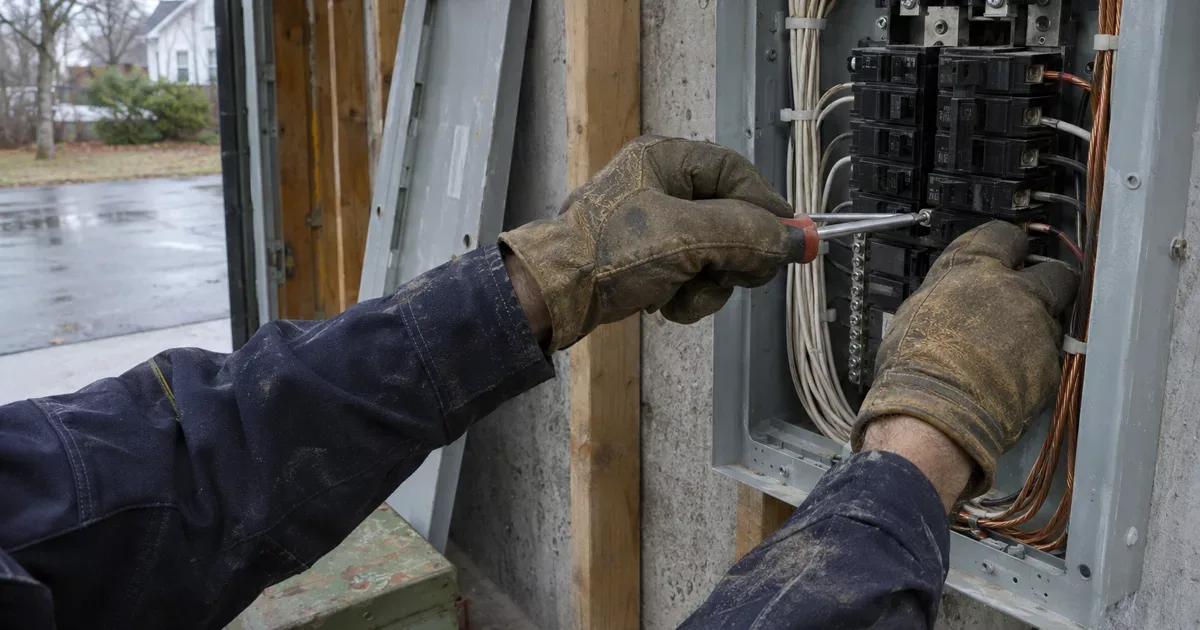
Your next job
Less time at the desk.
Build your price book, schedule the next visit and turn completed work into an invoice.
Start your first quoteIn this article
Short answer
To become an electrician, finish high school or a GED, get hired into a 4 or 5 year apprenticeship, log about 8,000 paid hours on the job plus classroom time, then pass your state or local license exam. Trade school is optional. Plan on 4 to 5 years from your first day to a journeyman license.
Most guides make trade school sound like step one. It isn't. School can shorten an apprenticeship, but it cannot replace one: the license clock runs on supervised hours on real jobs, and nobody counts hours until someone hires you. So the fastest path is the one that gets you on a job site, paid, as early as possible.
This guide walks the path in order, shows the rules in New Jersey, Washington and Illinois, and covers what changes when you stop wiring for someone else and start quoting your own jobs.
How long does it take to become an electrician?
Four to five years for most people. That is the length of a standard apprenticeship, and the journeyman exam comes at the end of it. The Bureau of Labor Statistics says apprentices typically get 2,000 hours of paid on-the-job training for each year of the program, plus technical instruction.
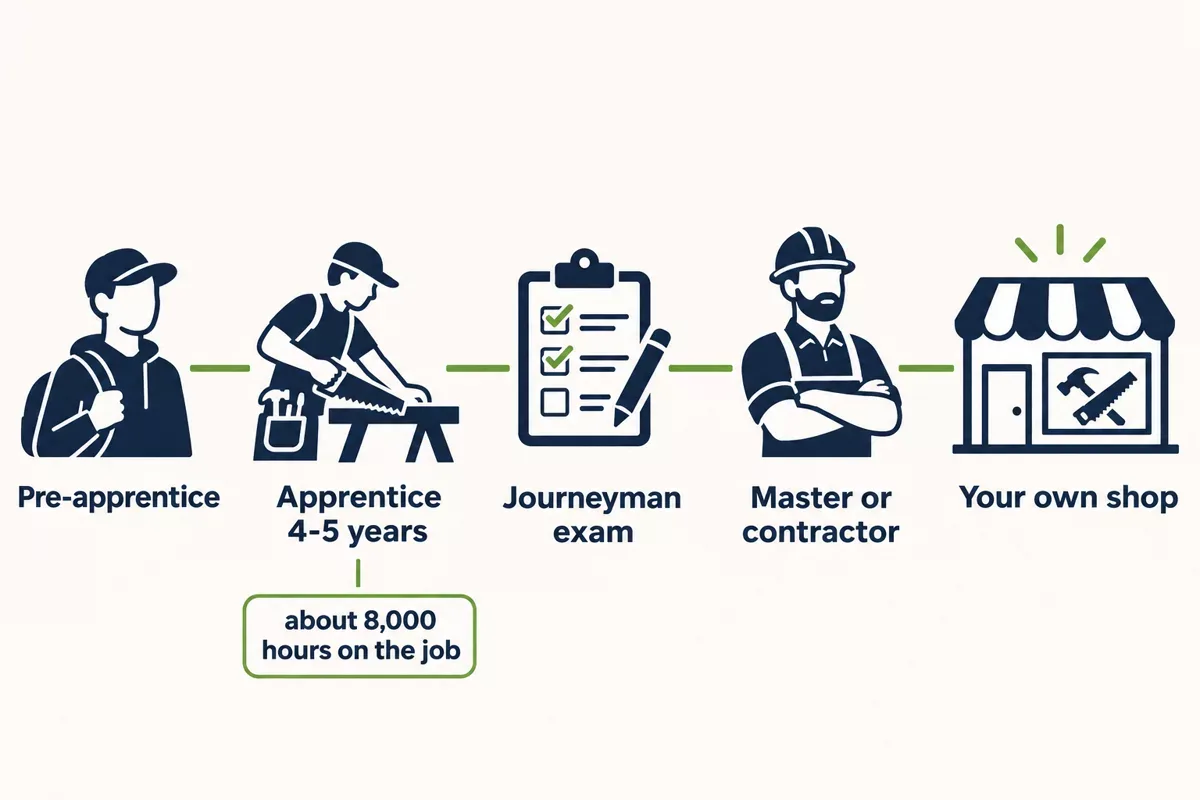
| Stage | Typical time | What you walk away with |
|---|---|---|
| High school diploma or GED | Before you apply | The minimum entry requirement |
| Pre-apprenticeship or trade school (optional) | A few months to 2 years | Basics, and often credit toward an apprenticeship |
| Apprenticeship | 4 to 5 years | About 8,000 to 10,000 logged hours on the job |
| Journeyman exam | One sitting, after your hours are approved | License or certificate to work without direct supervision |
| Master or contractor license | Extra years as a journeyman, set by your state or city | The right to pull permits and sell work in your own name |
Military or construction experience can shorten the apprenticeship, according to the BLS, based on your experience and testing. That is the only real shortcut. There is no 6 month route to a journeyman license. For the hour-by-hour rules in Texas and California, see how long it takes to get an electrical license.
The 5 steps to becoming an electrician
How to become an electrician
- Meet the basics
You need a high school diploma or GED. Many programs also want you to be 18, pass an algebra aptitude test and hold a driver's license. Electricians identify wires by color, so color vision matters.
- Pick your way in
Apply straight to an apprenticeship, or take a pre-apprenticeship or trade school program first if you have no tools, no contacts and no experience. School is a ramp, not the destination.
- Get hired into an apprenticeship
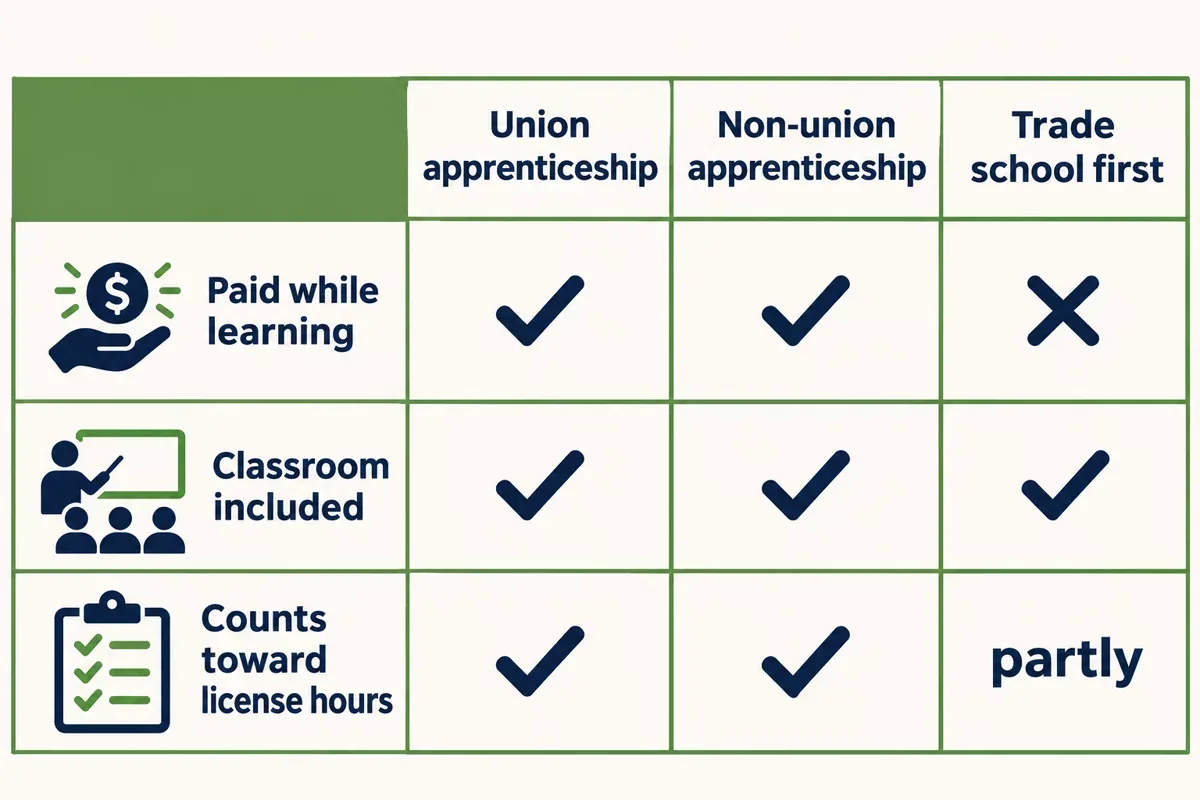
Union programs, non-union contractor associations and some single contractors sponsor apprenticeships. You work full time, get paid from day one and go to class at night or in blocks.
- Log your hours and pass the exam
Keep your own record of every week worked. When your hours are approved, sit the journeyman exam. It tests the National Electrical Code plus your state and local codes.
- Move up to master or contractor
After more years as a journeyman, many states let you test for a master or contractor license. That is the license that lets you quote and sell work under your own name, and starting an electrical business covers the insurance, van and first price sheet that come next.
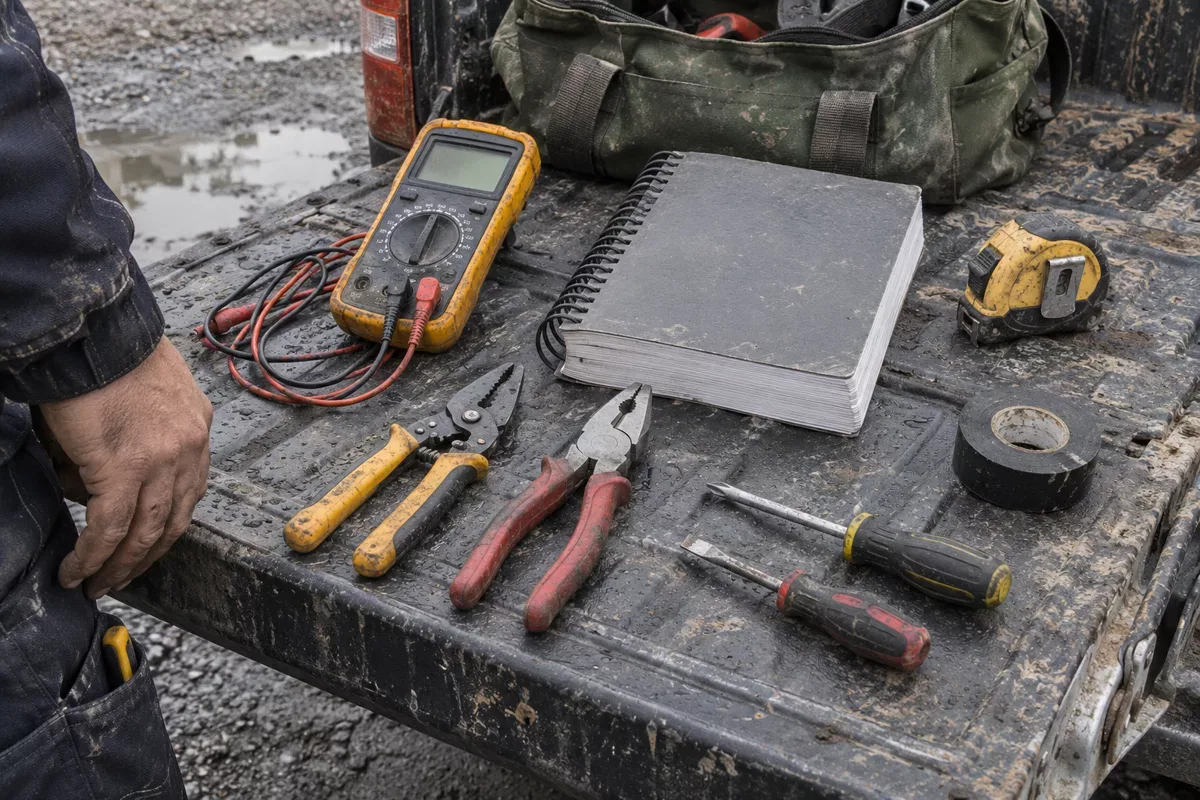
Which route fits your situation?
Your starting point decides your first move. Here is the verdict for the five situations we see most.
| Your situation | Best first move | Why |
|---|---|---|
| No experience, no contacts | Apply to apprenticeships now, take a short pre-apprenticeship while you wait | Applications open on a schedule, so get in line early |
| High school senior | Apply to apprenticeships in your last semester | Algebra is still fresh for the aptitude test |
| Career changer, 30 or older | Apprenticeship, not a 2 year school program | You need the paycheck, and the hours only count on the job |
| Already a helper for an electrician | Ask your boss to register you as an apprentice | Helper hours may not count unless the program or state approves them |
| Military electrical experience | Ask the program about advanced standing | The BLS notes experience and testing can shorten the program |
No experience at all
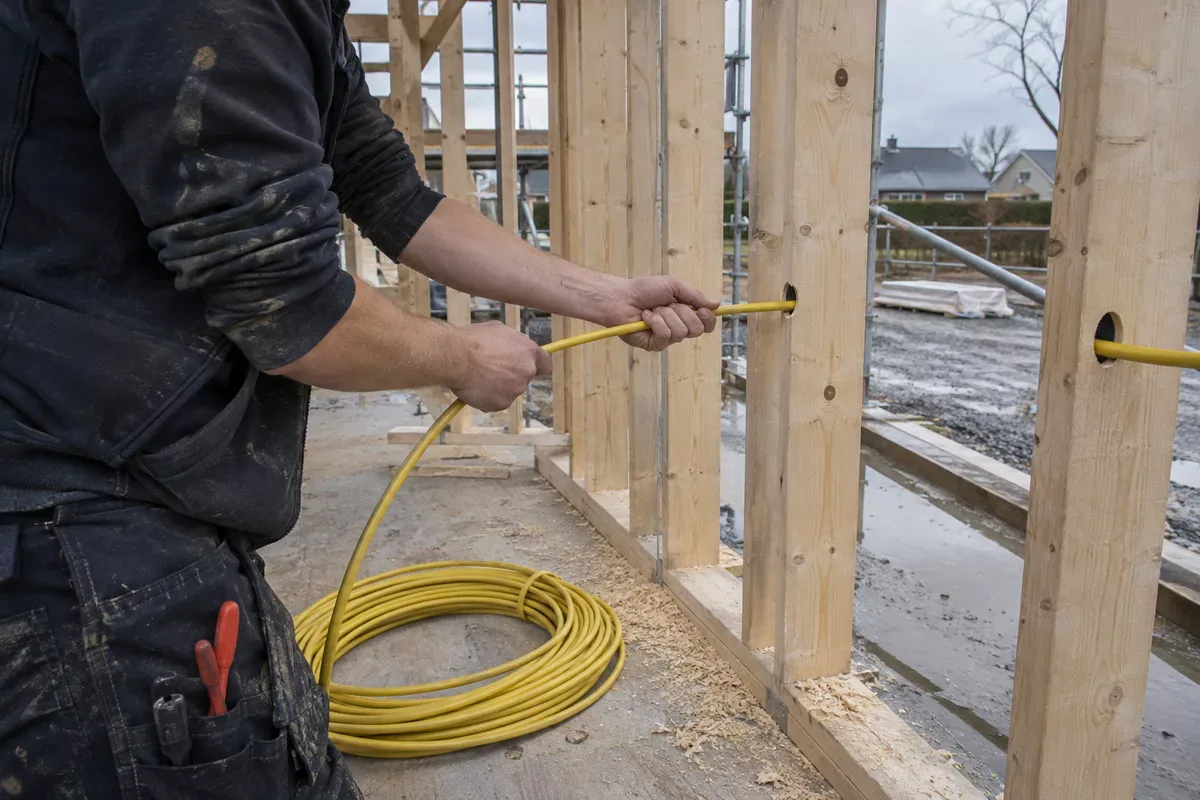
This is most people, and it is fine. Apprenticeships are built for beginners. What they want is proof you will show up: a clean attendance record, passing math and a driver's license. A short pre-apprenticeship helps if you have never held a tool, but do not let it stop you applying.
Changing careers at 30, 40 or later
You are not too old. What hurts career changers is the first-year apprentice wage, not their age. Budget for it before you quit. Apprentices earn less than journey workers, but the BLS notes their pay rises as they learn more.
Trade school first
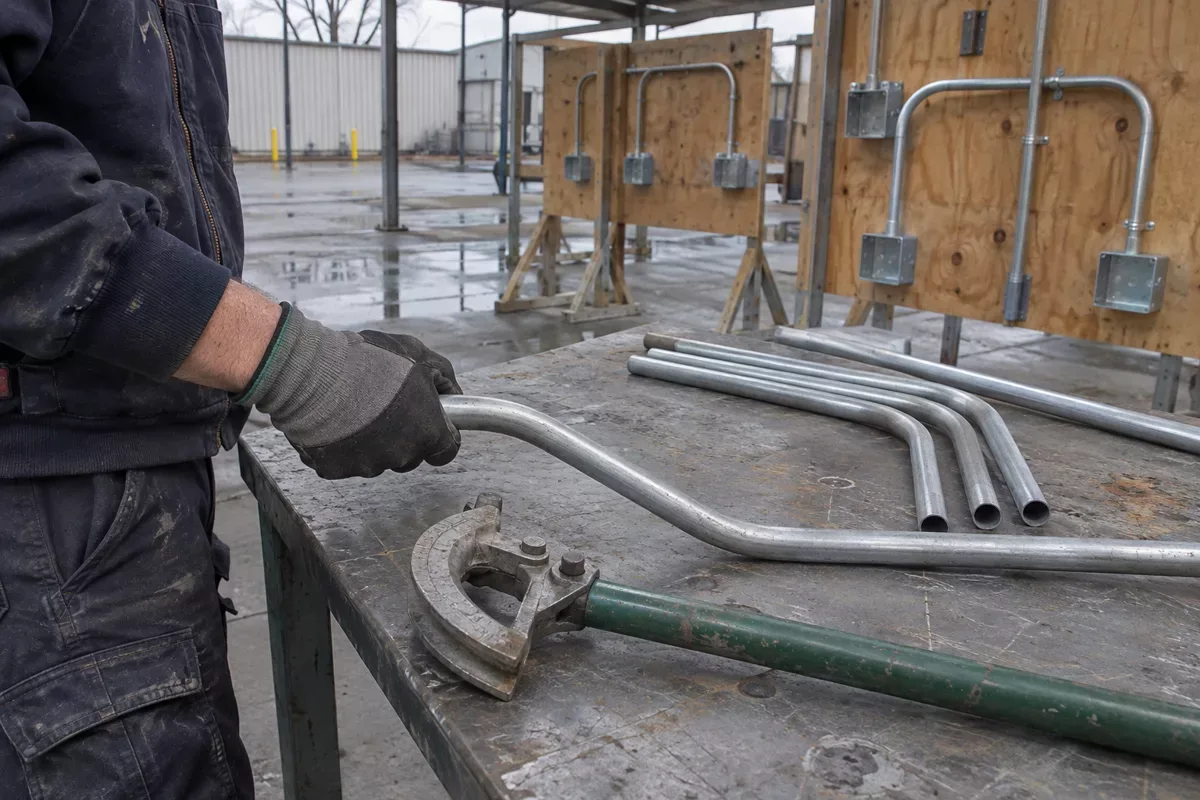
A trade school program teaches circuits, safety and code, and graduates usually get credit toward their apprenticeship, per the BLS. It does not give you the on-the-job hours your license needs. Choose it when you need a ramp in, and pick a school that has placement ties with local apprenticeship sponsors.
The apprenticeship: where the license is really earned
This is the one step you cannot skip, and it takes most of the time. A registered apprenticeship pays you while you learn, pairs you with licensed electricians and adds up the hours your state wants.
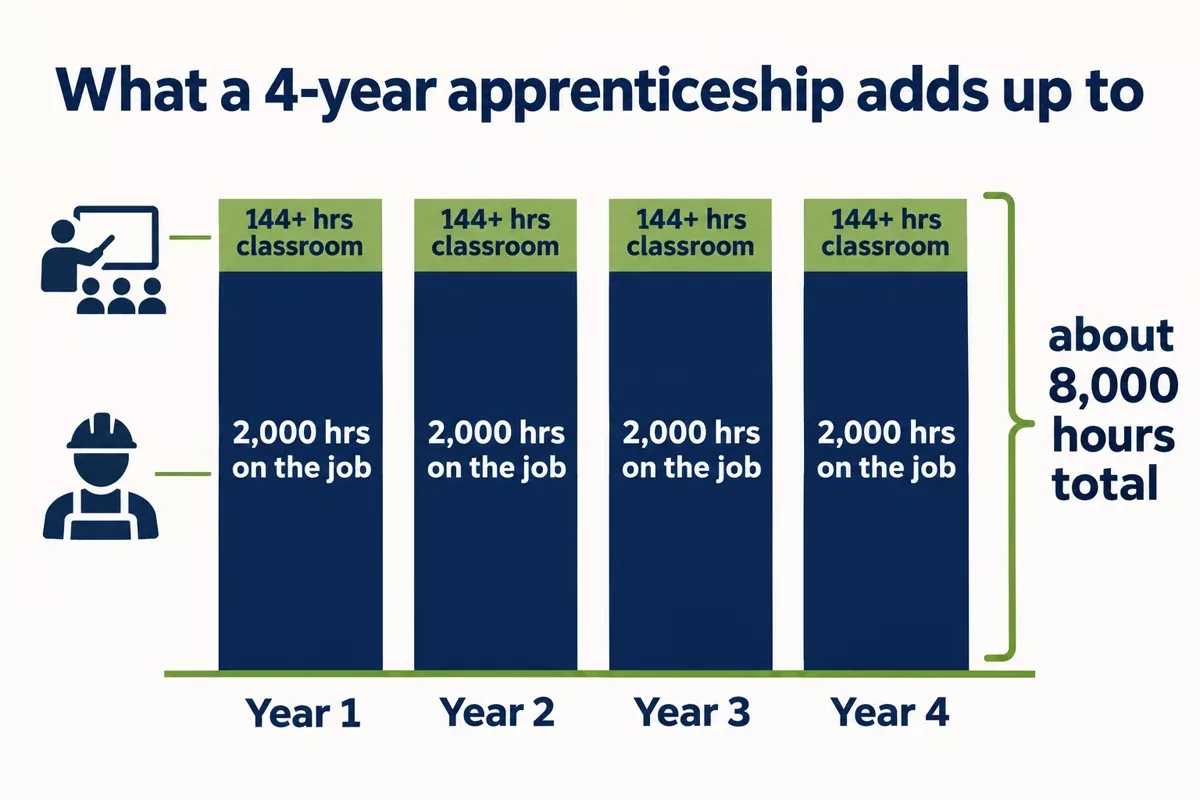
Under federal rules for registered apprenticeships, the recommended classroom minimum is 144 hours for each year of the program. So a 4 year program means about 8,000 job hours plus at least 576 classroom hours. The classroom part covers electrical theory, blueprint reading, math, code and safety.
Getting accepted is its own process: aptitude tests, interviews and waiting lists that differ by sponsor. We cover that application step in its own guide to becoming an apprentice electrician.
How to become an electrician in NJ, WA and Illinois
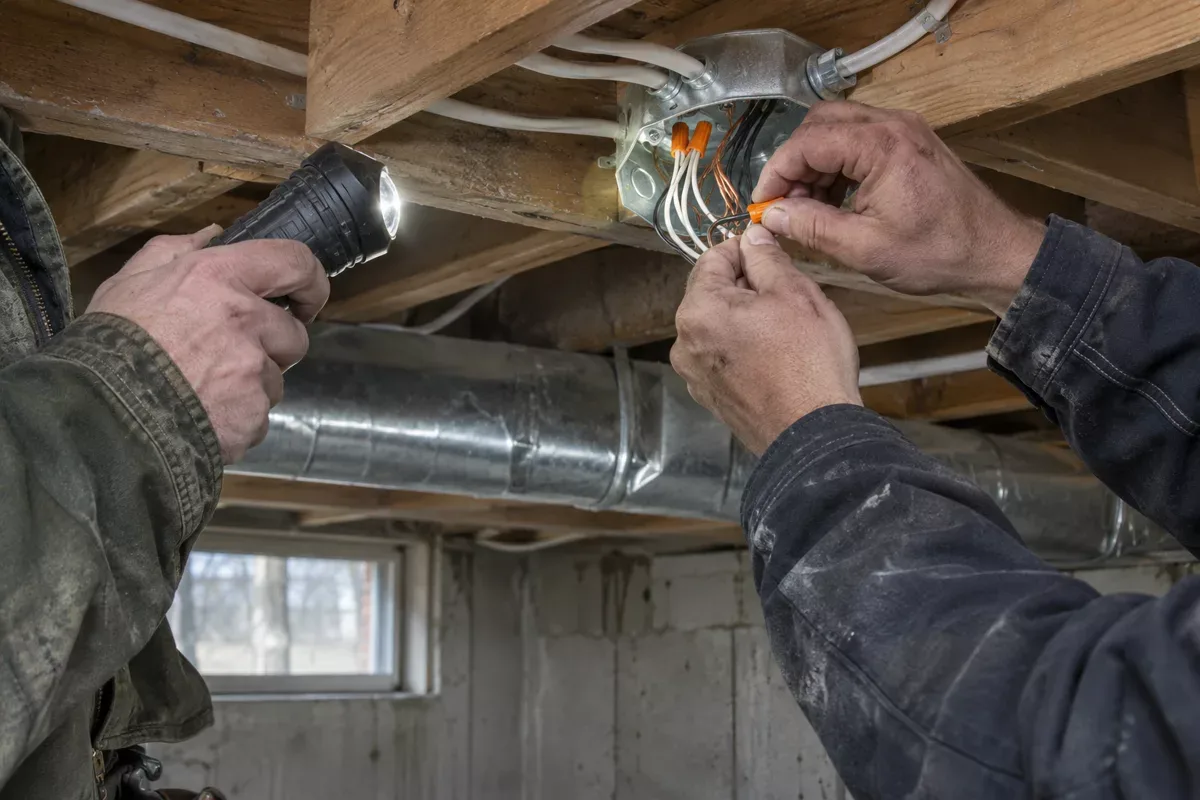
Licensing is set by states and, in some places, by cities. The three states people search most work three different ways. Check with the board before you plan around any of this, because rules change.
| State | Who licenses | What to know |
|---|---|---|
| New Jersey | State Board of Examiners of Electrical Contractors | Licenses electrical contractors. Its journeyman registration application asks for 8,000 hours of practical experience. |
| Washington | Department of Labor and Industries (L&I) | Issues electrician certificates. You start as an electrical trainee, and from July 1, 2026 a registered apprenticeship or equivalent is the only way to journey level. |
| Illinois | Cities and counties, not the state | No statewide electrician license. Chicago, for example, ties its electrical contractor license to a licensed supervising electrician. |
Washington's change is the one to note. According to Washington L&I, you must hold a valid electrician certificate to work in the electrical construction trade there, and the new law closed most other routes to the journey level (01) exam. In Illinois, ask the building department of the city where you will work first.
Do electricians make good money?
Yes, and the top end is real. The BLS puts the median electrician wage at $63,190 a year, or $30.38 an hour, in May 2025. The highest-paid 10 percent earned more than $108,510.
| Figure (BLS, May 2025) | Amount |
|---|---|
| Median annual wage | $63,190 |
| Median hourly wage | $30.38 |
| Lowest 10 percent earned less than | $42,640 |
| Highest 10 percent earned more than | $108,510 |
| Projected job growth, 2025 to 2035 | 9 percent |
Those are wages for people working for someone else. Owners of a one-truck shop earn whatever their prices leave after insurance, the truck, permits and the hours they spend on paperwork. That is why how you price matters more than your hourly wage once you go solo, and why what electricians charge per hour runs two to three times the median wage.
Is becoming an electrician hard?
The work is physical and the math is real, but most people who show up every day finish. The BLS lists physical stamina, strength to move components up to 50 pounds, color vision, troubleshooting and customer service as the qualities that matter. The hardest part for most apprentices is not the exam. It is staying through year one at apprentice pay.
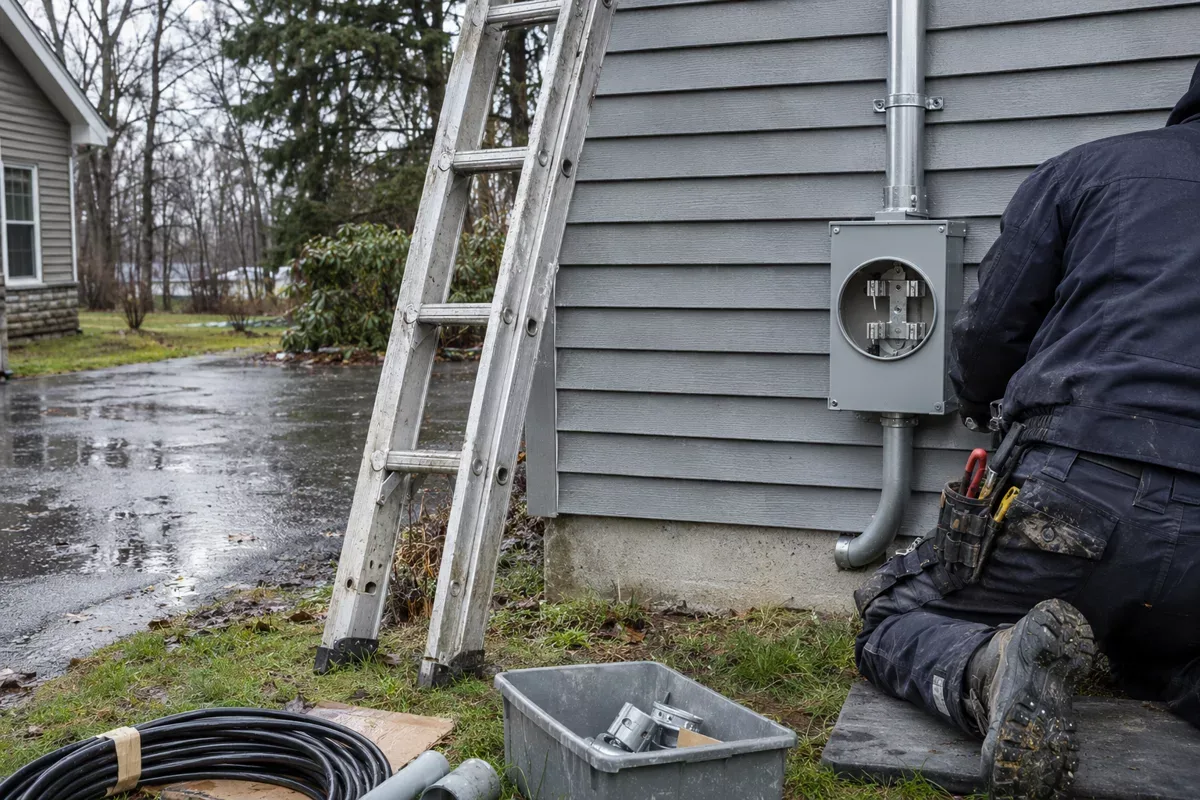
Mistakes that cost new electricians a year or more
- Paying for school before applying anywhere. Apprenticeship intake runs on its own calendar. Apply first, study while you wait.
- Working as an unregistered helper for years. Those hours may not count toward your license. Ask before you take the job.
- Not keeping your own hours log. You end up asking an old boss to reconstruct years from memory, the same trap we cover in getting an HVAC license.
- Assuming your state's rule is the only rule. In Illinois, the city sets it. In Washington, the rule changed in 2026.
- Pricing side jobs like an employee. Your wage leaves out insurance, the truck and unpaid office time. Run your numbers through what an hour of your time really costs before you quote anything.
When the license is in hand: the office work starts
A master or contractor license lets you sell work. It does not write the quote, chase the invoice or remember what you charged the same customer last spring. Most new owners do that at the kitchen table after the last call, retyping prices into a spreadsheet or a blank estimate template.
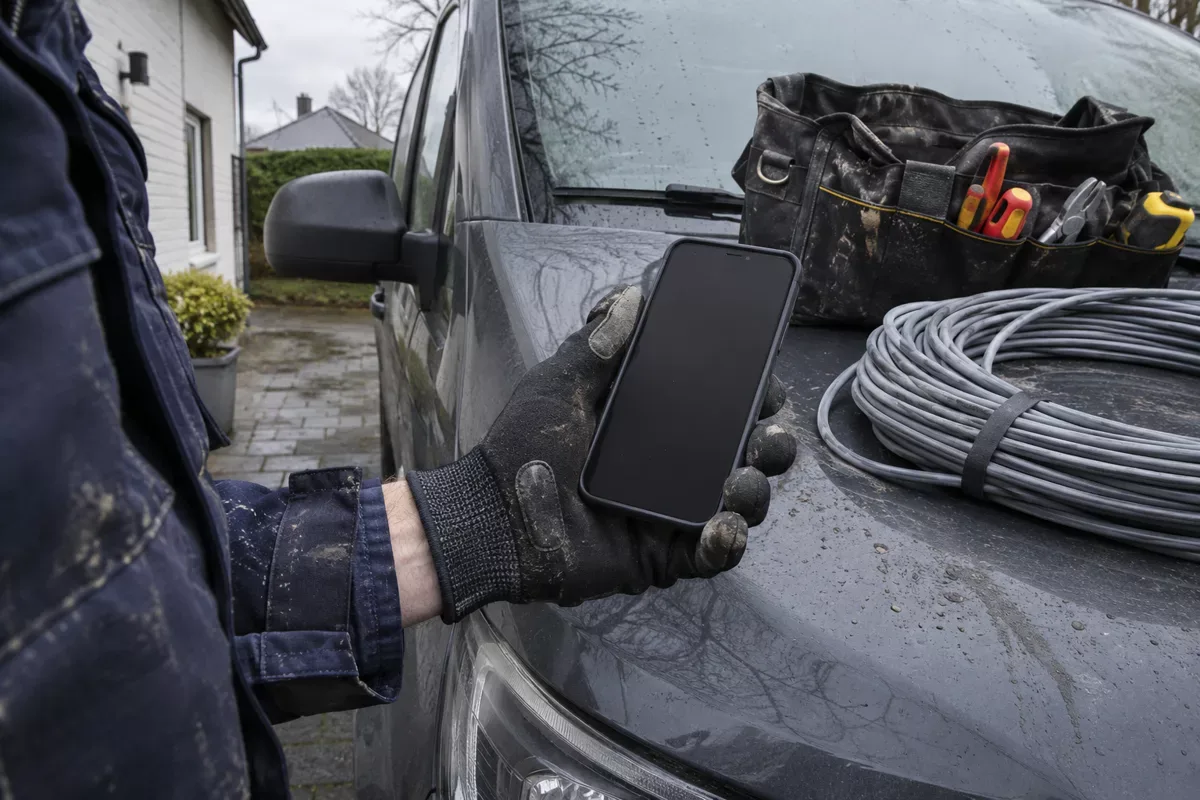
That works for the first ten customers. It breaks when you are standing at a panel upgrade and need your parts and labor prices on your phone, not in a file at home. Driveway Desk is built for that wall: your price book remembered, the quote drafted in the driveway, the invoice sent in one tap and paid into your own Stripe or Square account. If you are comparing tools, start with what Jobber actually charges a one-truck shop.
Price it once, then start your first quote from the driveway next time.
Price it once, then start your first quote from the driveway next time.
When the first jobs come in, put each one on a simple work order, send customers a written quote they can approve and check your markup and margin on fixtures and panels before you send it.
Get on a job site first
Finish high school or a GED, then apply to apprenticeships before you spend money on school. Log every hour yourself, pass the journeyman exam in 4 to 5 years, and check your state or city board for the exact rule. If you plan to run your own shop one day, learn what your time costs now, because that number decides every quote you will ever send.
Put the method to work
Labor cost calculatorDivide paid-hour costs by the billable-hours ratio, then allow for your target margin to find a selling rate.
Frequently asked questions
Most people need 4 to 5 years. That is the length of a standard apprenticeship, which the BLS says includes about 2,000 hours of paid on-the-job training each year plus classroom instruction. A master or contractor license usually takes extra years as a journeyman.
Get hired into a registered apprenticeship as early as you can, because the license clock runs on job hours. Trade school or military electrical experience can earn you credit and shorten the program, but there is no route to a journeyman license that skips the on-the-job years.
Yes. Most electricians learn through an apprenticeship, not a separate school program. You still get classroom instruction, but it is part of the apprenticeship and you are paid for the job hours while you do it. You need a high school diploma or GED to start.
Apply to apprenticeships, which are built for beginners. Sponsors look for a high school diploma or GED, passing math on an aptitude test and a driver's license. A short pre-apprenticeship program can help if you have never worked with tools.
Some do. The BLS says the highest-paid 10 percent of electricians earned more than $108,510 in May 2025, while the median was $63,190. Reaching six figures usually takes a journeyman or master license, overtime, a high-paying industry or running your own shop.
No. Apprenticeships take adults of any age, and the 4 to 5 year path means you can hold a journeyman license in your mid 30s. The real hurdle is living on first-year apprentice pay, so plan your budget before you leave your current job.
Put the method to work
Labor cost calculatorDivide paid-hour costs by the billable-hours ratio, then allow for your target margin to find a selling rate.
Your prices, remembered.
Build your first quote on your phone in about two minutes, send it, and get paid into your own account.
Start your first quoteShare article
About the author
Field notes team
We write practical guides for home service crews of one to five. Our editorial standard is to show the calculation, state its assumptions, cite primary sources for factual claims and date competitor comparisons. We distinguish worked examples from market prices and correct errors when they are found. We do not claim trade licenses or credentials on behalf of the team.
More articles

Running a small crew · 14 min
How to Start an Electrical Business: 6 Steps and the Math
Start an electrical business in order: hold the license that lets you contract, register and insure the business, set up one van, price from billable hours and start with service work that pays at the door.

Running a small crew · 13 min
How to Become an Apprentice Electrician: Union vs Non-Union, Pay, Hours
How to become an apprentice electrician: apply to a union JATC or get hired by a non-union shop, meet the age, diploma and algebra basics, then train paid for 4 to 5 years. Requirements, pay steps, hours and how to apply.

Running a small crew · 12 min
How Long Does It Take to Get an Electrical License? About 4 Years
How long does it take to get an electrical license? About 4 years to journeyman and 6 to master, because states count signed hours. Texas and California numbers, the 7,000 hour exam rule and how to log hours so they count.

Running a small crew · 11 min
Basic House Cleaning Checklist: 12 Tasks, Every Visit
A basic house cleaning checklist of 12 tasks you finish on every visit: kitchen, bathrooms, dusting, beds and floors, in the right order, with real timings for a 3 bed, 2 bath house and how to price it.

Running a small crew · 13 min
What Do I Need to Start a Mobile Detailing Business? Full Checklist
The mobile detailing startup checklist: paperwork and insurance, the wash and interior kit for the services you sell first, how many towels to stock, and the quote, work order and payment setup.

Running a small crew · 13 min
Roofing Company Business Plan: 7 Parts + Cash Flow Example
A roofing company business plan in seven short sections, with a worked example: one reroof priced line by line, revenue by month, and how much cash a busy June ties up before homeowners pay.