How to Get Clients as a Realtor: 5 Channels That Work
Driveway Desk team 21 November 2026 11 min read
Your next job
Less time at the desk.
Build your price book, schedule the next visit and turn completed work into an invoice.
Start your first quoteIn this article
To get clients as a realtor, start with the people who already know you and your past clients, then build referral partners among the home-service pros who work inside houses every day. Add one neighborhood you farm and open houses you run well. Online leads come last, once those channels are running.
Most new agents do this backwards. They buy leads, chase strangers and ignore the people who already trust them. This guide gives you the order that works, a plan for the first 90 days and the commission math that tells you how many clients you need.
Short answer
Sphere first, past clients second, trade-pro referral partners third, then one farm area and open houses. Paid leads last.
How do realtors find their clients?
Most realtors find clients through people they already know, past clients and referrals, not through ads. Paid online leads exist, but they are expensive and usually sent to several agents at once. The table runs from cheapest and warmest to slowest and coldest.
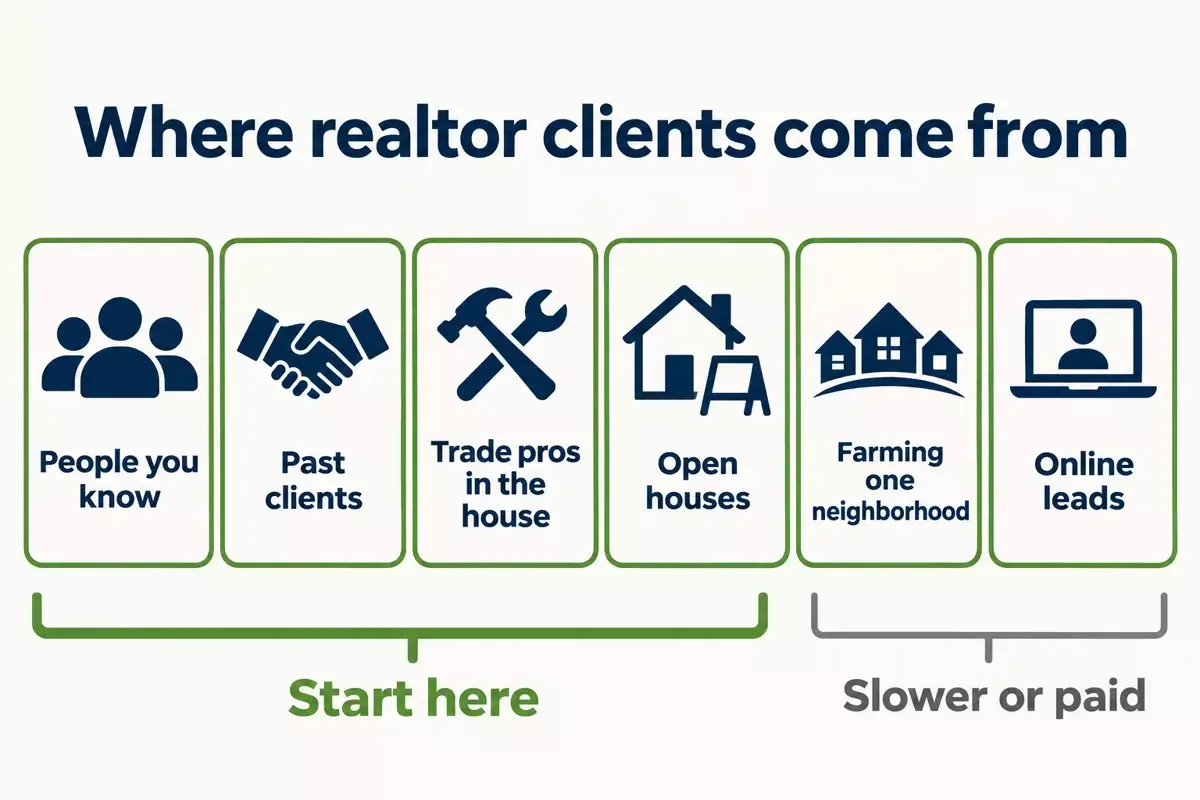
| Channel | Cost | How fast it works | Best for |
|---|---|---|---|
| People you already know | Free | Days to weeks | Your first one to three deals |
| Past clients | Free | Ongoing | Repeat and referral business every year |
| Trade pros inside the house | Free, takes relationships | One to three months | Hearing about a sale before the listing |
| Open houses | Your time | Weeks | Meeting buyers who do not have an agent yet |
| Farming one neighborhood | Mailers, door hangers, time | Six months and up | Becoming the name for one area |
| Online leads and portals | Paid per lead or per month | Fast but cold | Filling the calendar once you can convert |
Cold calling sits at the bottom on purpose. If you call strangers, scrub your list against the National Do Not Call Registry first, and check what your broker requires.
Which channel fits where you are now?
Pick the channel where you already have a head start. This is a verdict, not a menu.
| Your situation | Start with | Why |
|---|---|---|
| Brand new agent, no deals yet | People you know, then open houses for other agents | You need conversations and one closing before anything else works |
| You came from a trade or home service job | Trade pros you already know | You speak their language and they already trust you |
| You have closed a few deals | Past clients, on a calendar | One check-in a quarter turns each client into a referral source |
| Part-time agent with a day job | Your sphere and one small farm area | Low time cost, steady compounding |
| You moved to a new town | Open houses and one farm area | You need to be seen in one place, repeatedly |
1. Start with your sphere of influence
Write down 100 names before you spend a dollar on marketing: family, old coworkers, neighbors, your kids' coaches, your dentist. Tell each one, plainly, that you sell homes now and in which area. Then ask for a name, not for business.
The ask matters. "Do you want to buy a house?" gets a no. "Who do you know who has been talking about moving?" gets a name. The same pattern works for any service business, and the guide to getting clients for a home service business shows how plumbers and cleaners use it.
2. Treat past clients as your best lead source
A past client already knows your work. Most agents lose touch after closing day, and the client's next move goes to whoever called last.
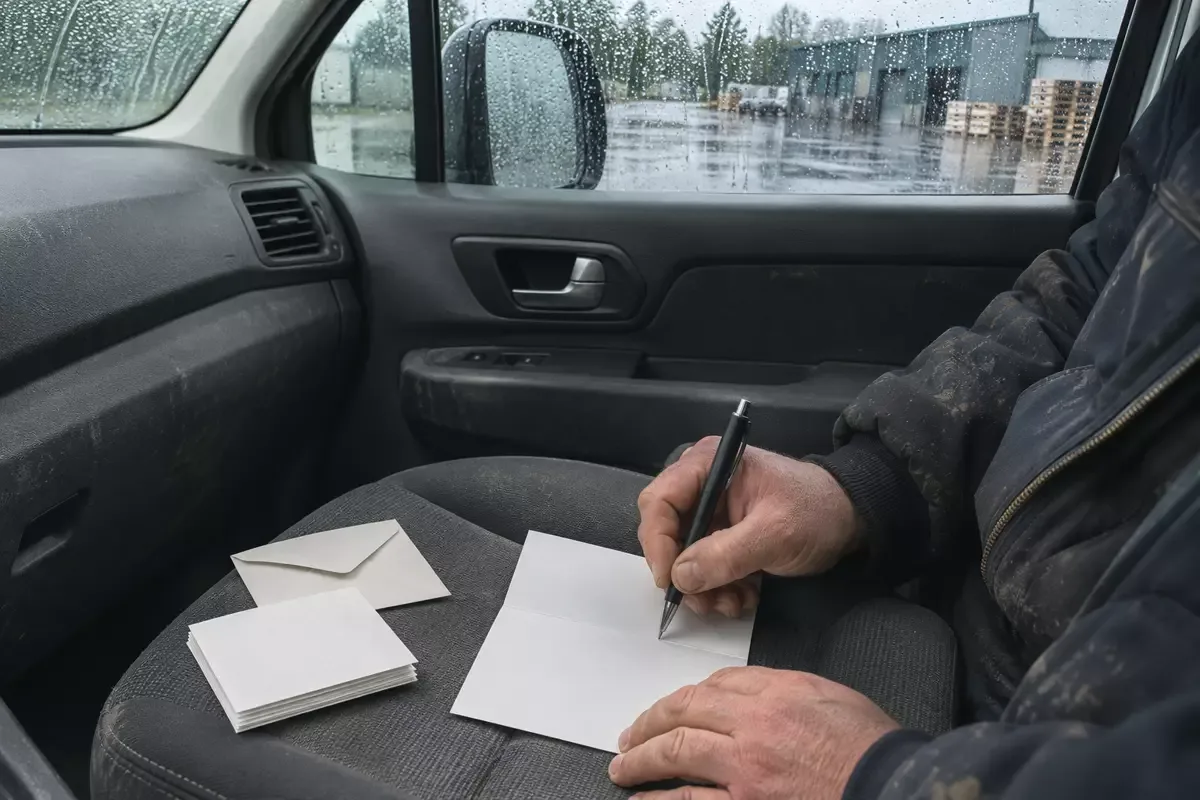
Put every client on a simple calendar: a call one week after closing, a card on the house anniversary, a quick check-in every quarter. Send them the names of good local trade pros when they need a repair. That last one is the habit that brings them back to you.
3. Build referral partners among the trades
The cheapest listing lead in your market is not online. It is the plumber, the house cleaner and the handyman who were inside the house months before the owner called an agent.
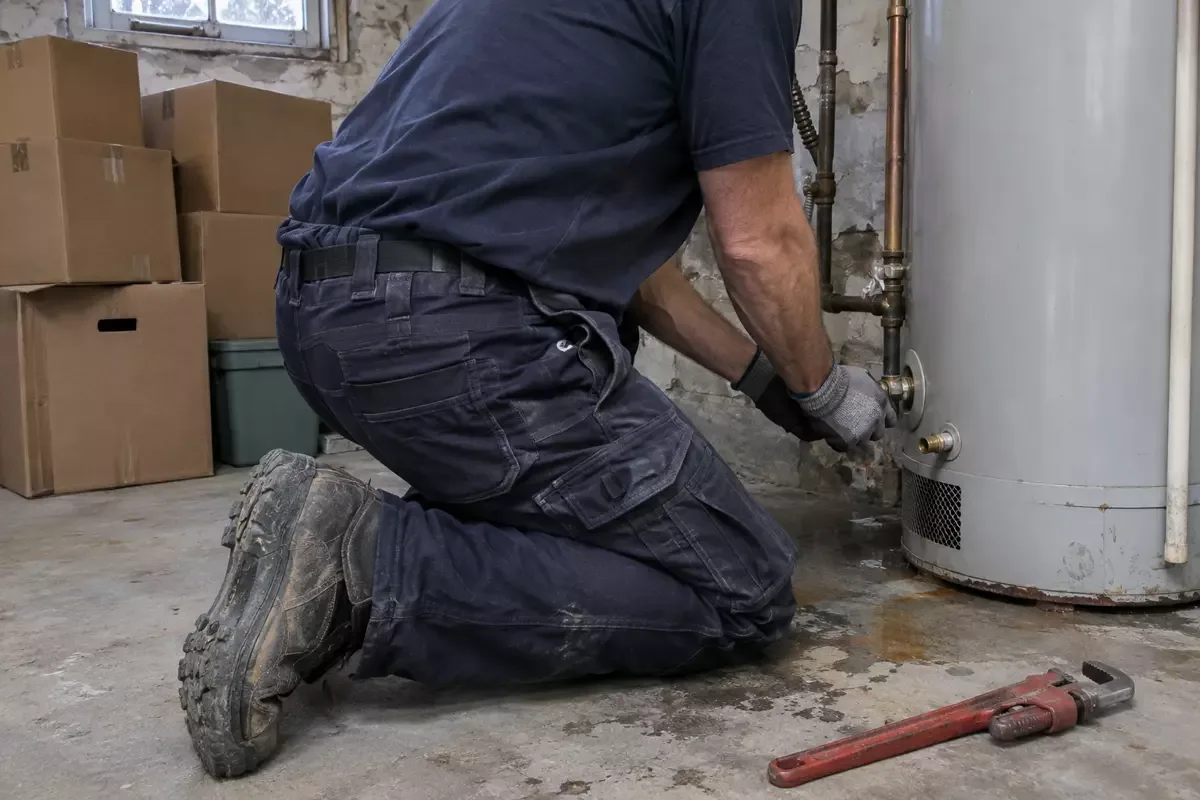
Owners tell their trade pros things they tell nobody else. "We need this fixed before we sell." "My mom is moving in with us." "We are clearing out the basement for the move." A plumber replacing a water heater in a house full of moving boxes knows a listing is coming before any portal does.
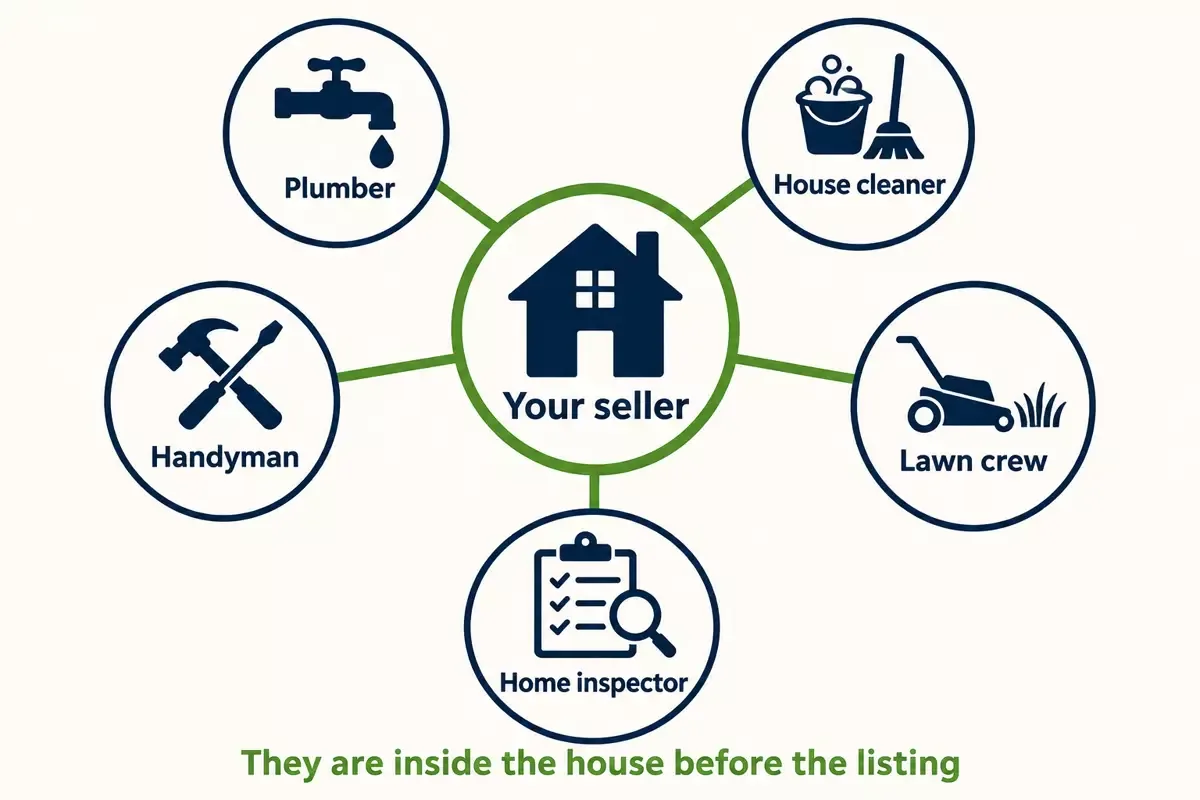
Here is who to know and why:
- House cleaners. They do move-out and pre-listing deep cleans, and they hear about moves first. Their deep cleaning checklist is often what a seller books before photos.
- Handymen. Sellers call them for the punch list before listing. A clear handyman price list also helps you estimate a seller's repair budget at the first meeting.
- Plumbers and HVAC techs. Inspection findings land on their desk. They see aging houses and owners deciding whether to fix or sell.
- Lawn and gutter crews. They see the outside of every house on their route, every week. Curb appeal work like gutter cleaning before a listing is a common seller call.
- Home inspectors. They meet buyers and sellers on almost every deal.
Make it two-way. You send them work from your clients, and they think of you when an owner mentions a move. Keep money out of it. Federal RESPA rules bar fees and kickbacks for referring settlement service business, and state license rules and your broker may restrict more. Trade referrals for referrals, not cash.
4. Run open houses that produce clients
An open house is the one place buyers without an agent walk in on their own. If you have no listings, ask other agents in your office if you can host theirs.
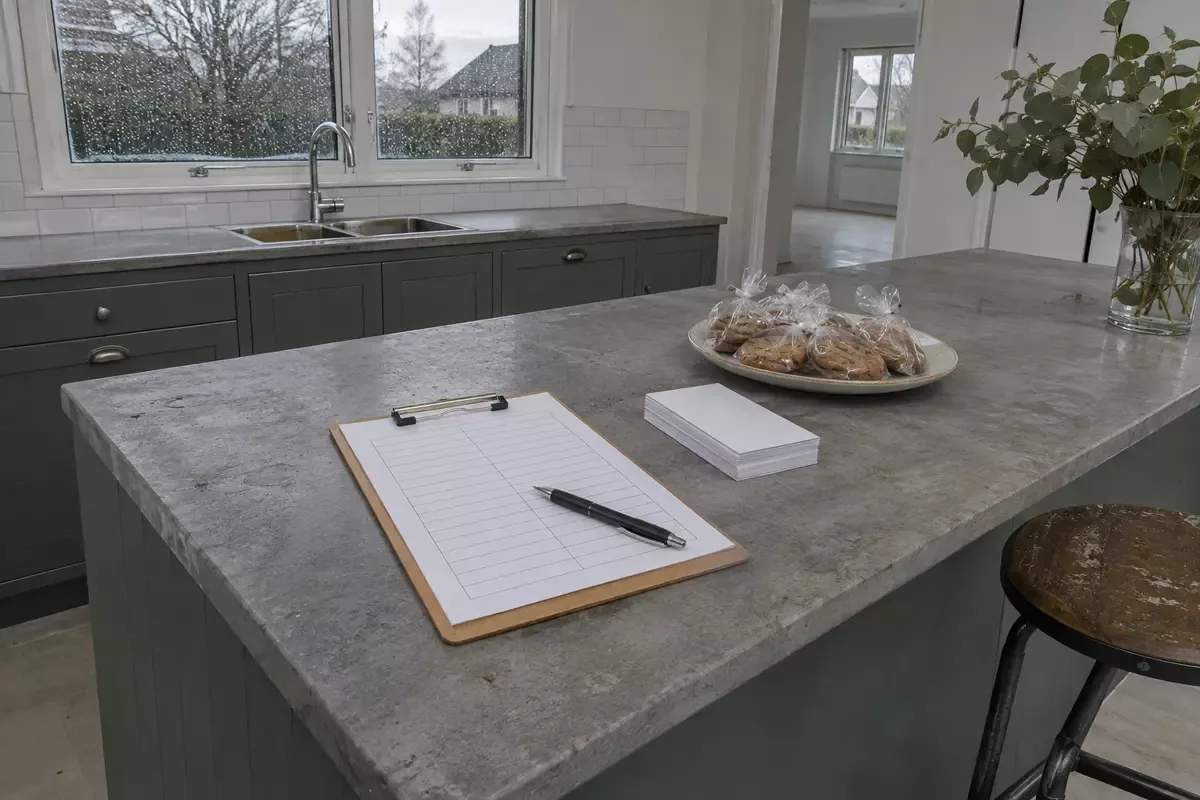
Treat it as a meeting, not a showing. Have a sign-in sheet, know three other homes nearby at the same price, and follow up the same day. The buyer who says "we are just looking" often has a house to sell first.
5. Farm one neighborhood
Pick one neighborhood of a few hundred homes you can drive to in ten minutes. Then show up there again and again: door hangers, a short market update, a hand at the neighborhood cleanup.
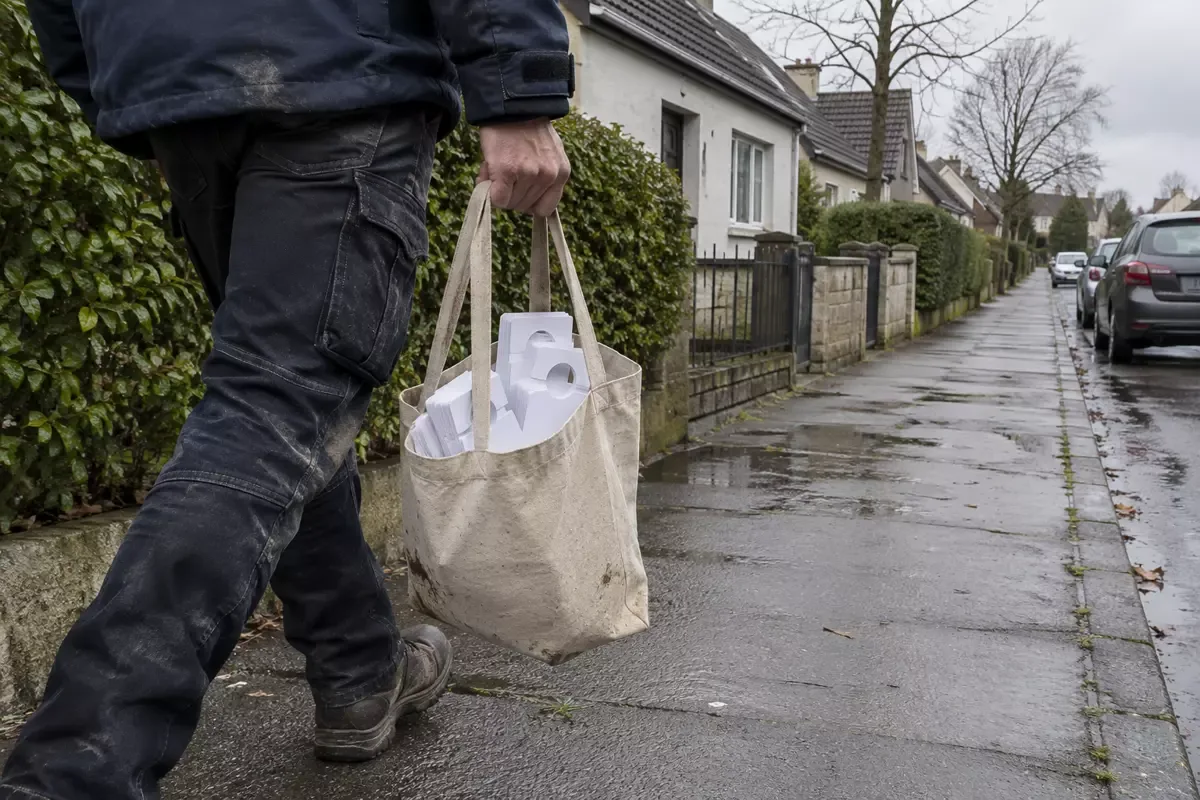
Farming is slow. Expect months before the first call. It pays because it compounds: after a year, you are the agent people in that area already recognize.
How do you get your first clients as a new agent?
Your first clients will almost always come from people you know or from open houses you host for other agents. Tell people what you do, ask for names and follow up the same day.
How to get your first 3 real estate clients in 90 days
- Write your list of 100
Family, friends, old coworkers, neighbors and the trade pros you already use. Add a phone number to every name.
- Call or text ten people a day
Say you sell homes now and in which area. Ask who they know who has been talking about moving.
- Host two open houses a month
Ask agents in your office for their listings. Follow up with every sign-in the same day.
- Meet five trade pros
Start with a house cleaner, a handyman and a plumber. Ask what they hear from owners and offer to send them work.
- Pick one farm area
Choose a few hundred homes close to you and plan one touch a month there.
- Ask every closed client for one name
After closing, ask for a review and one person they know who might move in the next year.
Price it so the client count works
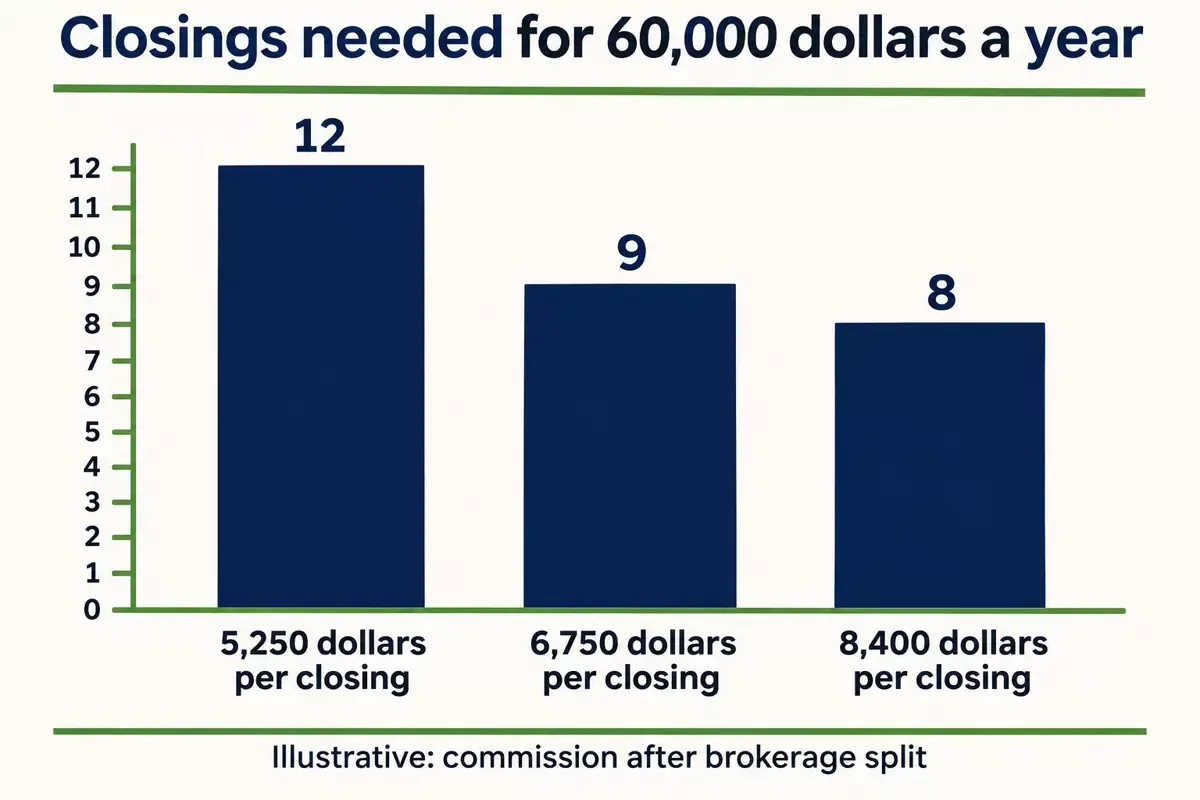
Decide what you need to earn, then work back to how many closings that takes. Commission is negotiable and brokerage splits vary, so use your own numbers. The figures below are illustrative.
| Sale price | Your side at an illustrative rate | Your split | You keep per closing | Closings for $60,000 a year |
|---|---|---|---|---|
| $300,000 | 2.5% = $7,500 | 70% | $5,250 | 12 |
| $300,000 | 3% = $9,000 | 75% | $6,750 | 9 |
| $400,000 | 3% = $12,000 | 70% | $8,400 | 8 |
Before taxes, fees and marketing costs, that is roughly one closing a month. If one in four serious conversations turns into a closing, you need about four a month. That number is why the warm channels matter so much: a referral from a trade pro closes far more often than a cold portal lead. To see what an hour of your time is really worth after costs, run the same math the trades use in the labor cost calculator.
Where the vendor list breaks
Every agent keeps a vendor list: a few names in the phone, maybe a spreadsheet. It works until the seller needs a repair quote before the listing date and the handyman you recommended never sends one. The seller waits, the photos slip and you look slow.
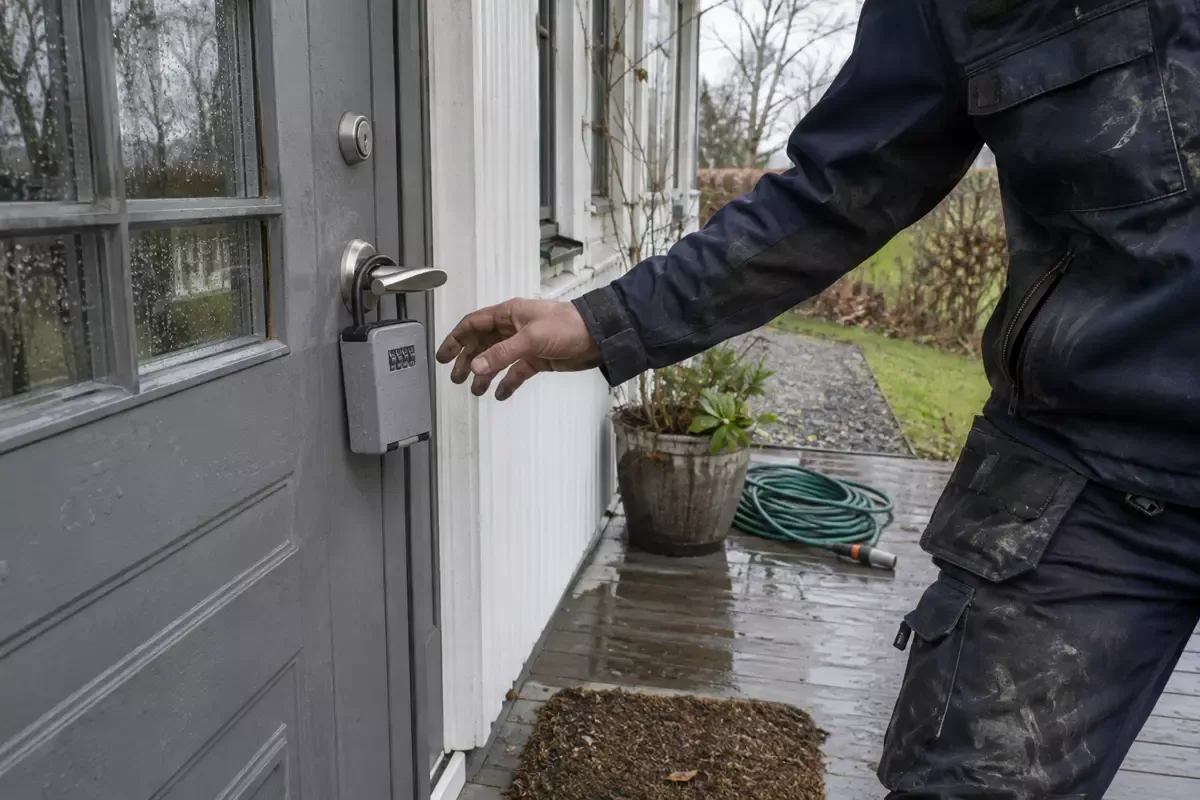
The fix is to recommend pros who quote on the spot. Ask your trade partners how they send quotes. The ones who send a written quote before they leave the driveway keep your listings on schedule.
That is the job Driveway Desk does for the crews you refer. The pro builds the quote on their phone from their own price book, sends it before they pull away, schedules the work and gets paid into their own Stripe or Square account. One flat price covers the whole crew, with no contract. If a trade partner asks how it compares with the bigger tools, the Jobber vs Housecall Pro comparison lays out the plans side by side.
If you run a crew yourself, price it once, then start your first quote from the driveway next time.
Price it once, then start your first quote from the driveway next time.
Mistakes that cost new realtors clients
| Mistake | What it costs you |
|---|---|
| Buying leads before calling your sphere | Money spent on strangers while warm names sit untouched |
| Going quiet after closing | The client's next move goes to someone else |
| Paying trade pros for referrals | Legal risk under RESPA and your license, and a partner relationship built on cash |
| Farming a huge area | Nobody sees you often enough to remember you |
| Slow follow-up after an open house | The buyer signs with the next agent who calls |
| Recommending vendors who never send quotes | The seller's timeline slips and the blame lands on you |
Put your follow-up on a calendar, not in your head. The same is true for the trade pros you work with: a clear written quote wins the job and prevents arguments later.
Start warm, then let the trades refer you
Getting clients as a realtor is a relationship game. Start with the people you know and your past clients, host open houses, and pick one neighborhood. Then build referral partners among the cleaners, handymen and plumbers who are already inside the houses you want to list.
Those pros are building client lists of their own, the same way. The cleaning business client guide and the bookkeeping client guide show how other service businesses work the referral side.
Put the method to work
Handyman price listBuild a handyman flat price from task hours and materials, using your own hourly rate and minimum visit.
Frequently asked questions
Most realtors find clients through their sphere of influence, past clients and referrals. Open houses, farming one neighborhood and partnerships with trade pros such as cleaners, handymen and plumbers add steady leads. Paid online leads work too, but they are colder and cost more per closing.
Start with the people you already know, ask for names and host open houses for other agents in your office. Pick one small neighborhood to farm and meet a few trade pros who work inside homes. Your first closing becomes your first reference, which makes the next client easier.
There is no official 3-3-3 rule, and the phrase is used in different ways. Agents often use it for a daily prospecting habit in threes, such as three calls, three handwritten notes and three follow-ups. Whatever version you use, the point is to contact people every day.
It depends on the commission rate, which is negotiable, and your brokerage split. With illustrative numbers, a 2.5% side on $300,000 is $7,500, and a 70% split leaves you $5,250 before taxes and expenses. Use your own rate and split to get the real figure.
Put the method to work
Labor cost calculatorDivide paid-hour costs by the billable-hours ratio, then allow for your target margin to find a selling rate.
Your prices, remembered.
Build your first quote on your phone in about two minutes, send it, and get paid into your own account.
Start your first quoteShare article
About the author
Field notes team
We write practical guides for home service crews of one to five. Our editorial standard is to show the calculation, state its assumptions, cite primary sources for factual claims and date competitor comparisons. We distinguish worked examples from market prices and correct errors when they are found. We do not claim trade licenses or credentials on behalf of the team.
More articles

Running a small crew · 13 min
What Do I Need to Start a Mobile Detailing Business? Full Checklist
The mobile detailing startup checklist: paperwork and insurance, the wash and interior kit for the services you sell first, how many towels to stock, and the quote, work order and payment setup.

Running a small crew · 13 min
Roofing Company Business Plan: 7 Parts + Cash Flow Example
A roofing company business plan in seven short sections, with a worked example: one reroof priced line by line, revenue by month, and how much cash a busy June ties up before homeowners pay.

Running a small crew · 14 min
How to Get Bookkeeping Clients: 6 Ways That Actually Work
How to get bookkeeping clients: start with people you know and local tax preparers, sell a fixed-price cleanup first, then pick one niche, such as trade contractors, and become the bookkeeper its owners refer.

Running a small crew · 13 min
How to Start a Mobile Detailing Business: Water, Kit, Prices
Start a mobile detailing business in order: pick your first customers, sort licenses and insurance, solve water before buying a polisher, price by your real hours plus the drive, and book the maintenance wash.

Running a small crew · 13 min
How to Get Clients for Your Home Service Business: 7 Ways
How to get clients for a home service business: tell everyone you know, verify a free Google Business Profile, ask for reviews, work the street around every job, and follow up every quote you already sent before you buy a single lead.

Running a small crew · 13 min
How to Get a Contractor License in Texas: Who Needs One
Texas licenses the trade, not the title. General contractors, remodelers and roofers need no state license, just city registration. Electrical, A/C and plumbing contractors need TDLR or TSBPE licenses, experience, an exam and $100,000 to $300,000 insurance.