How to Get Clients for Your Home Service Business: 7 Ways
Driveway Desk team Updated 21 November 2026 13 min read
Your next job
Less time at the desk.
Build your price book, schedule the next visit and turn completed work into an invoice.
Start your first quoteIn this article
To get clients for a home service business, start with what costs nothing: tell everyone you know, verify a free Google Business Profile, ask every customer for a review, and work the street around each job. Then follow up every quote you have already sent, because the cheapest client you will get this month is one who already asked you for a price.
This guide is for owner-operators and crews of one to five in plumbing, HVAC, electrical, lawn care, pest, pool, handyman and pressure washing. If you clean houses, the cleaning version of this playbook goes deeper on door hangers and first-clean pricing.
Short answer
Free channels first, paid leads last, and chase every quote you already sent before you buy a single new lead.
Where do home service clients come from?
Most new clients for a small crew come from five places, and four of them are free. People you know hire you first. Then strangers find you on Google, see your truck on their street, or get your number from another trade.
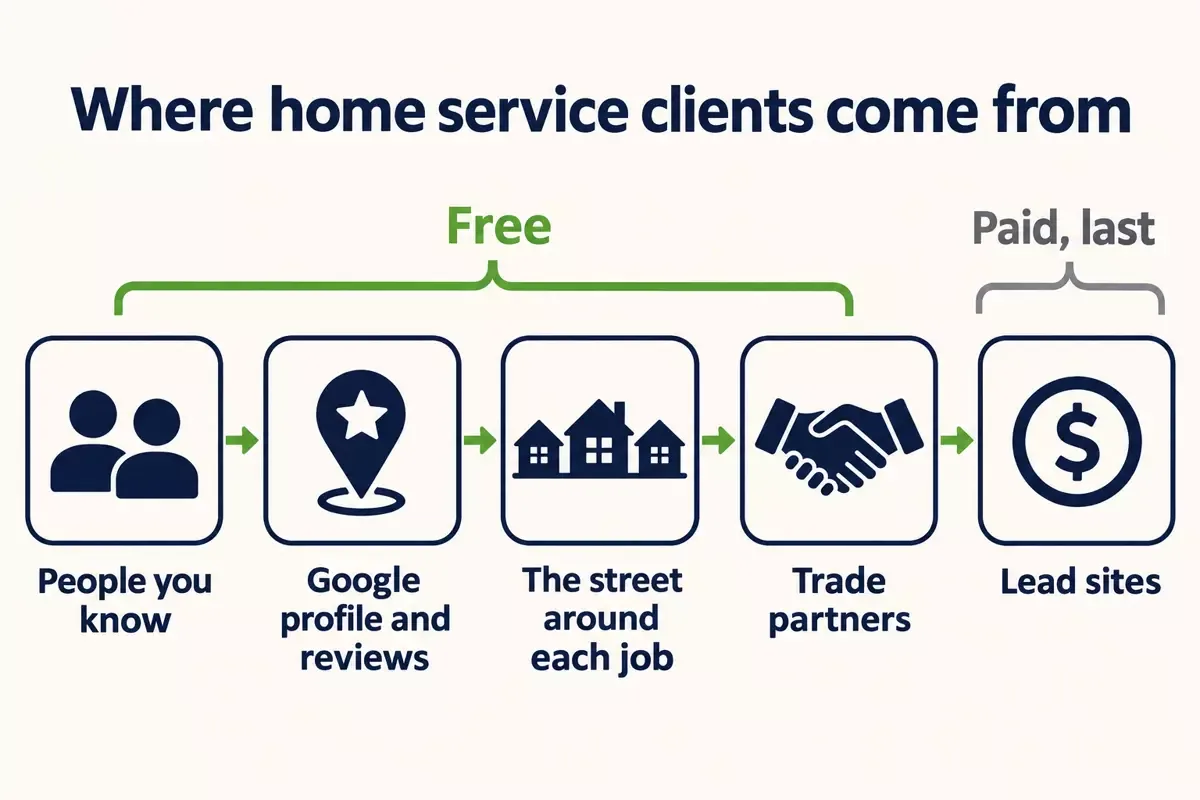
Lead sites come last for a reason. You pay for the lead whether or not you win the job, and the same request often goes to several pros at once. Use them to fill gaps on the calendar, not as the plan.
The cheapest client is one you already quoted
The fastest way to get more clients is to follow up the quotes you already sent. Every quote is a person who picked up the phone, let you on the property and asked what it costs. Most owners send the price and wait. If the customer goes quiet, the job is gone and nobody ever asked why.
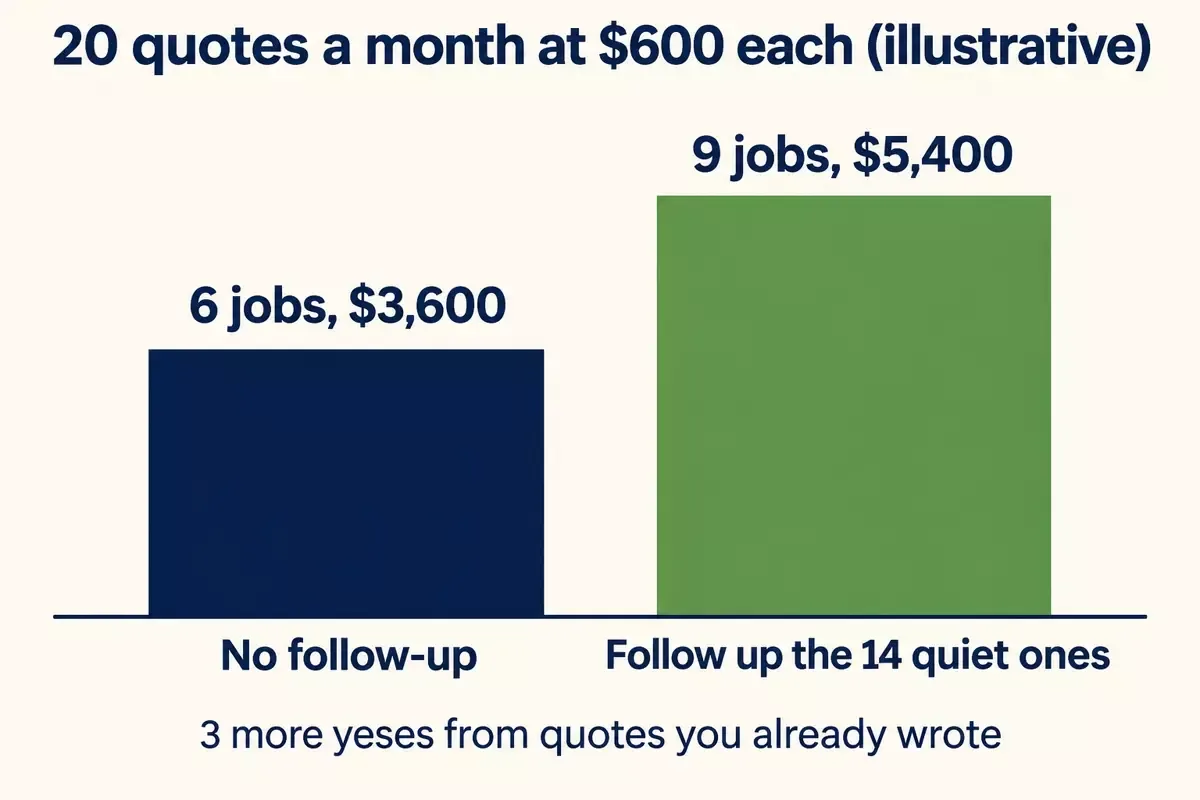
Here is the math with illustrative numbers. Say you send 20 quotes a month at an average of $600.
| Quotes sent | Jobs won | Revenue | Extra cost | |
|---|---|---|---|---|
| Send and wait | 20 | 6 | $3,600 | $0 |
| Follow up the 14 quiet ones, 3 more say yes | 20 | 9 | $5,400 | about 30 minutes of texts and calls |
| Difference | 0 | +3 | +$1,800 | no ad spend |
The three extra jobs came from people who already wanted the work done. No flyers, no ads, no new leads.
A simple follow-up rhythm that does not feel pushy:
| When | What you send | Why it works |
|---|---|---|
| Same day | The written quote, with the scope in plain words | Fast quotes win before the next pro shows up |
| Day 2 | A short text: "Any questions on the quote?" | Most people go quiet over one small question |
| Day 7 | A phone call | A voice settles the price conversation a text cannot |
| Day 14 | A last note, then close it out | You learn the real reason: price, timing or another pro |
If your quotes look different every time, fix that first with a simple quote template so every price has the same clear scope and line items. Text follow-ups need the customer's consent, so ask "OK if I text you about this quote?" when you hand it over.
Price it once, then start your first quote from the driveway next time.
Which channel fits your trade?
The best first channel depends on how your customers buy. Someone with a burst pipe calls whoever answers. Someone picking a lawn crew looks at what the crew did next door.
| Your situation | Trades | Start with | Why |
|---|---|---|---|
| Emergency and repair work | Plumbing, HVAC repair, electrical | Google Business Profile, then answering every call | People search at the moment it breaks and hire the first pro who picks up |
| Recurring route work | Lawn, pool, pest, cleaning | The street around each job | Every client on the same street makes the route tighter |
| Project work | Handyman, painting, pressure washing | Before and after photos, then referrals | Buyers want proof the result looks good |
| Brand new, no clients yet | Any | People you know, then trade partners | You have no reviews yet, so borrow trust from people who know you |
1. Tell everyone you know, then ask for one name
Your first clients come from your own phone. Text the 50 people you know best: family, old coworkers, your kid's team parents, your church or gym. Say what you do, the area you cover and one job you would love to do this month.
Then ask each of them for one name: "Who do you know who just bought a house?" A new homeowner needs a plumber, an electrician and a lawn crew in the first year. If you are just getting set up, the guide to starting a plumbing business covers the license and insurance side before you take paid work.
2. Verify a free Google Business Profile
A Google Business Profile is the free listing that shows in the map results when someone searches for your trade in your town. For emergency trades it is the single most valuable thing you can set up, and it costs nothing. Google walks you through signing up for a Business Profile and verifying it.
Fill in every field. Pick your exact service category, list the towns you cover, and set real hours. If you work from home, set yourself up as a service-area business so your address stays hidden. Add photos of real jobs every week: a finished panel, a new water heater, a clean condenser pad.
3. Ask for a review after every job
Reviews decide which pro on the map gets the call. The best time to ask is the moment the customer says "that looks great". Send the review link by text that same day, with one line: "Would you mind leaving a quick review? It really helps a small crew like mine."
Never buy reviews, never write them yourself, and never offer a discount only for a five-star rating. Ask everyone, take the bad ones on the chin, and reply to every review in a calm sentence or two.
4. Work the street around every job
Your truck parked outside a job is an ad. So is the job itself. A freshly striped lawn or a clean driveway is visible to every neighbor who walks past.
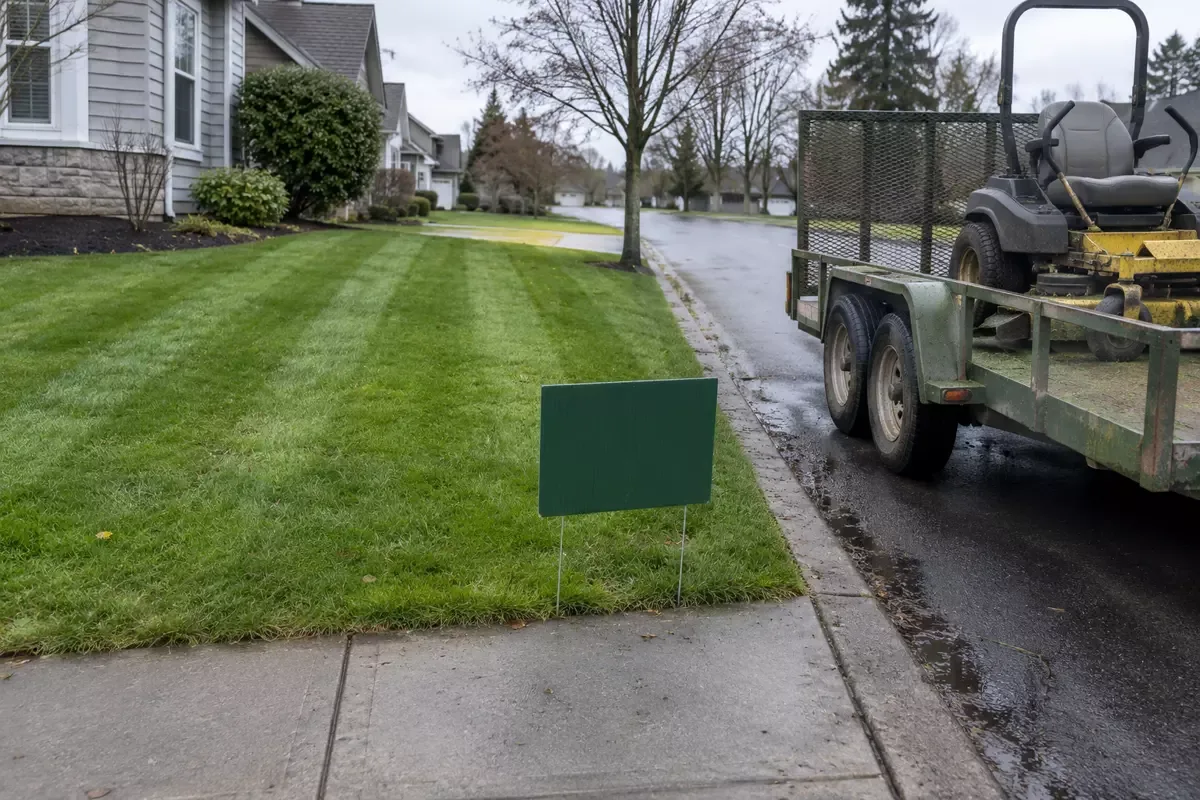
For route trades like lawn and pest, knock on or leave a card at the four houses either side and the five across the road the day you finish. Ask the customer first if they mind a small yard sign for a week. For a quarter-acre weekly mow, one more client on the same street adds a stop with almost no extra drive time. The lawn care business guide shows how tight routes change what each visit earns.
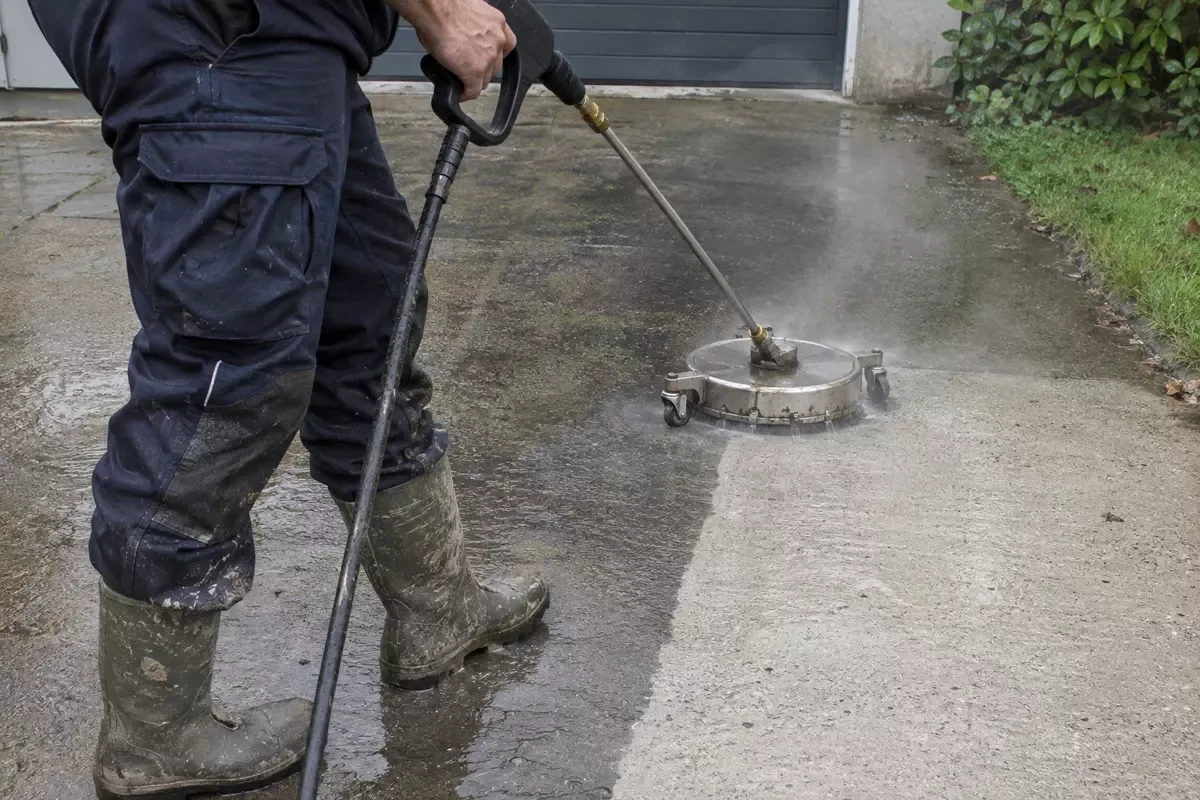
For project trades, take a before and after photo from the same spot every time. A half-cleaned driveway shows the result better than any flyer. Post it to your Google profile and to local Facebook and Nextdoor groups when people ask for recommendations. The pressure washing business guide has more on pricing those jobs.
5. Answer fast and quote on the spot
Speed wins jobs that marketing found. Pick up the phone, or call back within the hour. If you miss calls on a ladder or under a sink, set a voicemail that says when you will call back, and keep that promise.
Then quote fast. A written quote sent from the driveway, before you leave, beats a quote typed up three nights later. Use a clear estimate layout with the scope, the line items and how long the price holds. Know your numbers before you go, so you are not guessing on the spot: the labor cost math shows what an hour of your time really costs.
6. Partner with the trades next door
Other trades meet your customers before you do. A handyman finds a bad outlet and needs an electrician. An HVAC tech sees a leaking water heater. A realtor needs a pressure wash and a lawn tidy before a listing goes live. Agents are working the same seam from their side: how realtors find clients through trade pros shows what they want from you.
Make a list of five trades that touch your customers and introduce yourself to one a week. Offer to send them work too. A local bookkeeper who works with trades belongs on that list, because bookkeepers grow by referral and pass names between the crews they already serve. Property managers and realtors are worth a coffee: they hire again and again, and they pay on time when the work is right. Commercial work is its own game; the guide to getting commercial cleaning contracts shows how bids and walkthroughs work there.
7. Buy leads last, and track every one
Lead sites like Angi, Thumbtack and Yelp can fill an empty week. They charge per lead or per contact, and the same request often goes to several pros. Before you spend, check the current terms on each site, set a monthly cap, and write down every lead: what it cost, whether you quoted, whether you won.
After a month, divide what you spent by the jobs you won. That is your real cost per client. Compare it to the free channels above. Most small crews find the free ones win once they have a few reviews.
Turn one job into a repeat client
Getting a client once is half the job. Keeping them is where the money is. A pest customer on a quarterly plan, an HVAC customer on a spring and fall tune-up, or a lawn customer on a weekly mow pays you again without any new marketing.
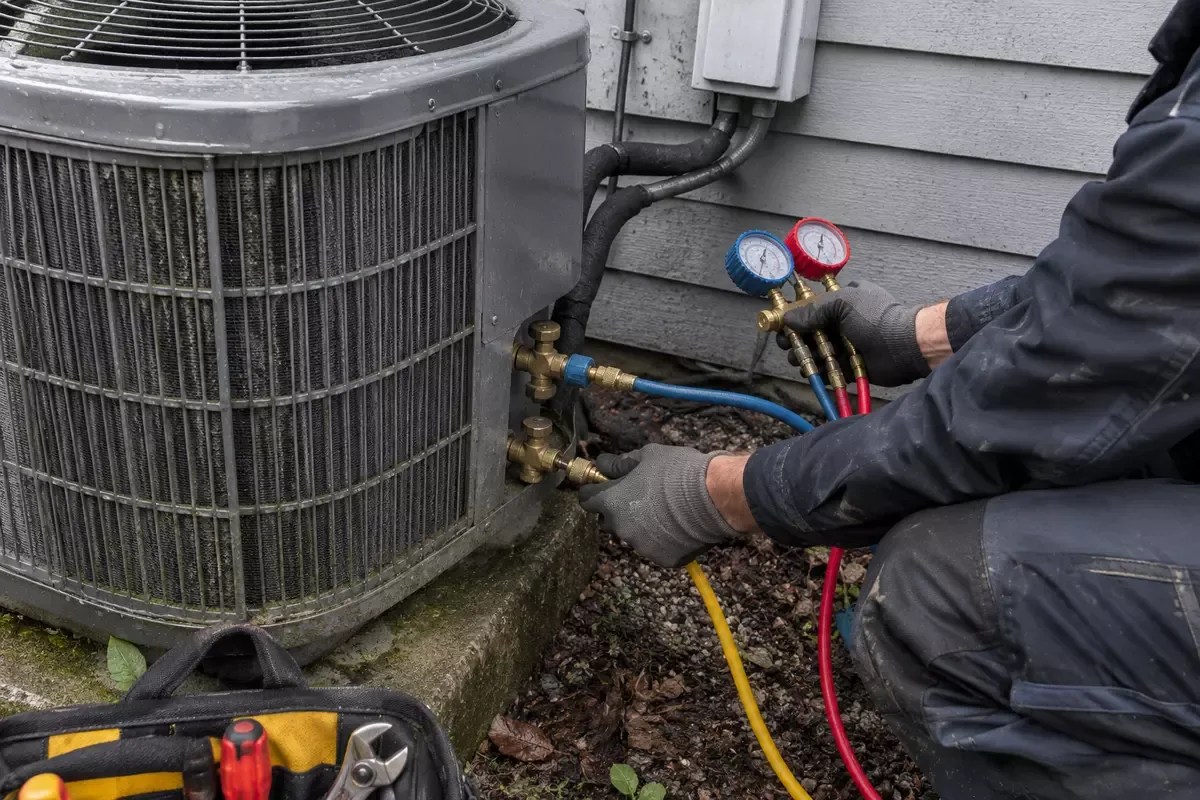
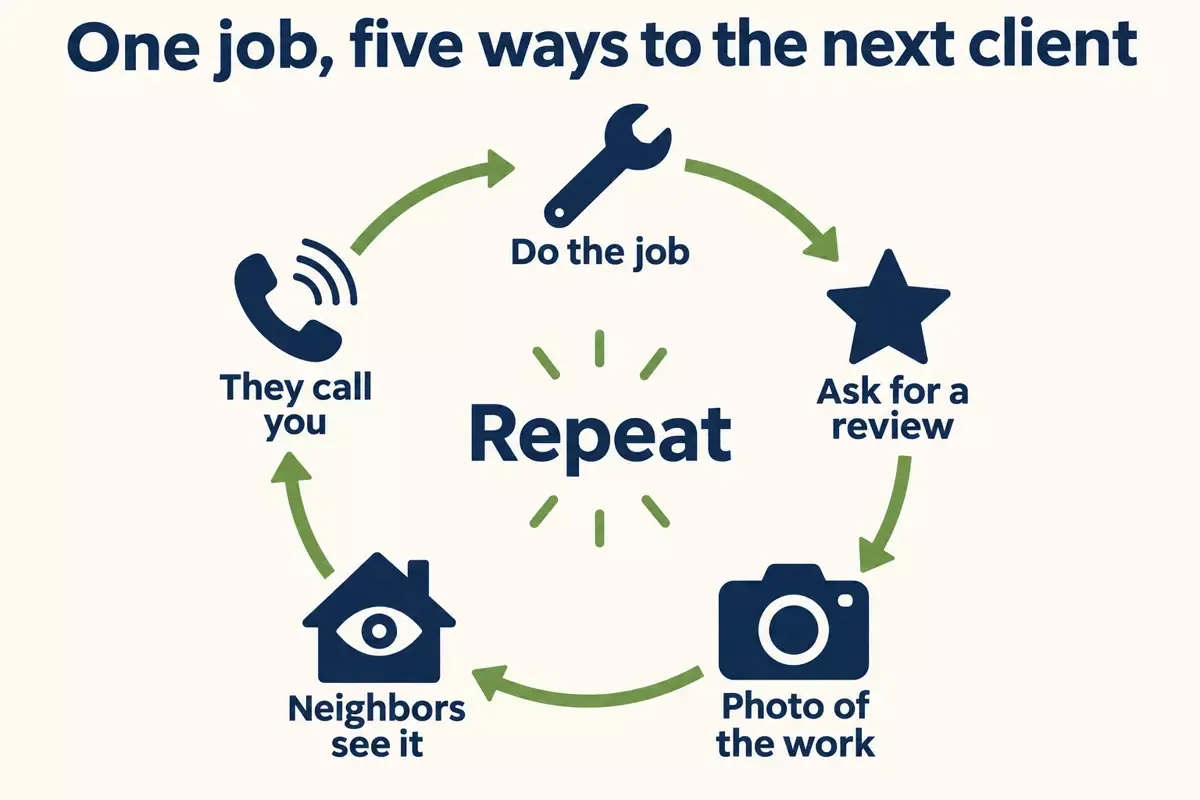
Offer the repeat option on every first visit, while you are still on site. For lawn crews, put it in writing with a lawn care service agreement. For HVAC, the HVAC business guide covers maintenance plans. Then the review, the photo and the neighbors start working for you.
How to get your first 10 home service clients
- Get the basics in place
Sort your license and insurance for your state, a phone number you will always answer, and a price for your three most common jobs.
- Text 50 people you know
Say what you do, where you work, and ask each for one name.
- Verify a Google Business Profile
Pick the exact category, list your service area and add photos of real jobs.
- Quote every job the same day
Send a written quote from the driveway, with the scope in plain words.
- Follow up every quiet quote
Text on day 2, call on day 7, close it out on day 14.
- Ask for a review after every job
Send the link the same day the customer says it looks good.
- Work the street around each job
Leave a card at nearby houses and take a before and after photo.
- Offer the repeat visit before you leave
A plan, a tune-up or a regular slot turns one job into a client.
Where the paper system breaks
You can run all of this from a notebook and your phone's text history. Write each quote on a page, star the quiet ones, and set phone alarms for follow-ups. It works for the first 10 clients.
It breaks at about 20 open quotes. You re-type the same prices on every quote, forget which customer went quiet, and quote at the kitchen table at night instead of in the driveway. The follow-up that wins the extra three jobs is the first thing to slip.
Driveway Desk is built for that wall. You quote from the driveway on your phone with your price book remembered, so every quote you sent sits in one list and the ones still waiting are easy to see. Invoice in one tap, get paid into your own Stripe or Square account, and send a review request once the job is done. If you are weighing the bigger apps first, see how Jobber and Housecall Pro compare for a small crew.
Price it once, then start your first quote from the driveway next time.
Mistakes that cost new crews clients
- Buying leads before the free channels. You pay for leads you would have won for free with a verified profile and five reviews.
- Sending a price and waiting. Quiet quotes are the cheapest clients you have. Follow up every one.
- Missing calls. An emergency customer calls the next pro on the list within minutes.
- A different price every time. Customers compare notes with neighbors. Use the same price book for the same job.
- Leaving without offering the repeat visit. The best time to sell the next job is while the customer is happy with this one.
- Taking every job. A one-off job an hour away costs more drive time than it earns. Grow the streets you already work.
Start with who you know, then chase every quote
Getting clients for a small home service business is mostly free work done in order. Tell the people you know, verify your Google profile, ask every customer for a review and work the street around every job. Answer fast, quote the same day, and follow up every quote that goes quiet. Buy leads last, and only with a cap and a tracking sheet.
Your prices, remembered. Build your first quote on your phone in about two minutes, send it, and get paid into your own account.
Put the method to work
Quote templateFill a quote with your own scope, quantities, prices, tax and deposit. Download a free PDF or print it directly from your browser.
Frequently asked questions
Start with the free channels: tell the people you know, verify a Google Business Profile, ask every customer for a review and work the street around each job. Then follow up every quote you have already sent, which often wins more jobs than new marketing does.
Text people you know and ask each for one name, list your business on Google for free, and leave cards on the houses around every job you finish. Partnering with other trades and realtors who refer work is free too. None of these cost money, only time.
Google Business Profile is the most useful and it is free. Nextdoor and local Facebook groups are free places to answer when neighbors ask for recommendations. Lead sites like Angi, Thumbtack and Yelp send paid leads, so set a monthly cap and track what each won job really costs you.
Put the method to work
Labor cost calculatorDivide paid-hour costs by the billable-hours ratio, then allow for your target margin to find a selling rate.
Your prices, remembered.
Build your first quote on your phone in about two minutes, send it, and get paid into your own account.
Start your first quoteShare article
About the author
Field notes team
We write practical guides for home service crews of one to five. Our editorial standard is to show the calculation, state its assumptions, cite primary sources for factual claims and date competitor comparisons. We distinguish worked examples from market prices and correct errors when they are found. We do not claim trade licenses or credentials on behalf of the team.
More articles

Running a small crew · 13 min
What Do I Need to Start a Mobile Detailing Business? Full Checklist
The mobile detailing startup checklist: paperwork and insurance, the wash and interior kit for the services you sell first, how many towels to stock, and the quote, work order and payment setup.

Running a small crew · 13 min
Roofing Company Business Plan: 7 Parts + Cash Flow Example
A roofing company business plan in seven short sections, with a worked example: one reroof priced line by line, revenue by month, and how much cash a busy June ties up before homeowners pay.

Running a small crew · 11 min
How to Get Clients as a Realtor: 5 Channels That Work
How to get clients as a realtor: start with your sphere and past clients, build referral partners among the trade pros already inside homes, then add open houses and one farm area. Includes a 90-day plan and the commission math.

Running a small crew · 14 min
How to Get Bookkeeping Clients: 6 Ways That Actually Work
How to get bookkeeping clients: start with people you know and local tax preparers, sell a fixed-price cleanup first, then pick one niche, such as trade contractors, and become the bookkeeper its owners refer.

Running a small crew · 13 min
How to Start a Mobile Detailing Business: Water, Kit, Prices
Start a mobile detailing business in order: pick your first customers, sort licenses and insurance, solve water before buying a polisher, price by your real hours plus the drive, and book the maintenance wash.

Running a small crew · 13 min
How to Get a Contractor License in Texas: Who Needs One
Texas licenses the trade, not the title. General contractors, remodelers and roofers need no state license, just city registration. Electrical, A/C and plumbing contractors need TDLR or TSBPE licenses, experience, an exam and $100,000 to $300,000 insurance.