How to Become a General Contractor: 5 Steps, 4 State Rules
Driveway Desk team Updated 21 November 2026 14 min read
Your next job
Less time at the desk.
Build your price book, schedule the next visit and turn completed work into an invoice.
Start your first quoteIn this article
Short answer
To become a general contractor, spend about four years learning a trade and running jobs as a lead or foreman. Next, find out whether your state, county or city licenses general contractors. Then pass the exam or register, post the bond, buy liability insurance and set up the business. The rules change a lot from state to state, so check your own board before you plan.
That is the whole path. The part most guides get backwards is which step is hard.
The license is rarely the wall. The wall is four years of experience you can prove on paper, and the money skills nobody tests. California will not let you sit the exam without four years at journey level or above, signed off by someone who watched you work. Florida wants four years, and at least one of them as a foreman. Texas has no state general contractor license at all. In every one of them, the person who fails is usually not the one who flunked a test. It is the one who priced a remodel from memory and paid the subs out of their own pocket.
This guide walks the path in order, with real requirements from four states, then shows how a general contractor actually makes money.
The 5 steps at a glance
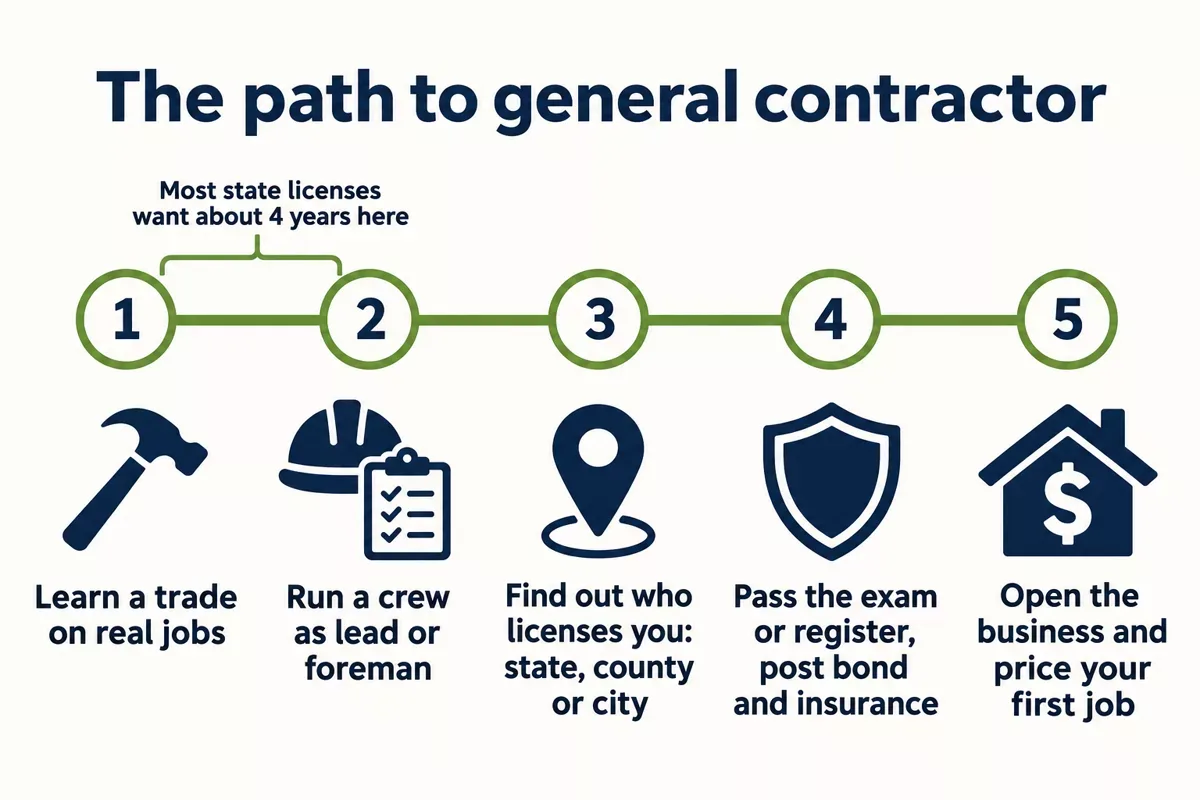
How to become a general contractor
- Learn a trade on real jobs
Work for a builder, remodeler or specialty contractor. Framing, finish carpentry and remodel work teach you how a house goes together, which is what you will be managing later.
- Run a crew as a lead or foreman
Move up to running jobs: scheduling the trades, ordering materials, dealing with the homeowner and the inspector. This is the experience most state boards ask you to prove.
- Find out who licenses you
Check your state board first. If your state does not license general contractors, check your county and city, because many of them do.
- Pass the exam or register, then post the bond and insurance
Licensing states usually test you on trade knowledge and on business and law. Registration states skip the exam but still want a bond and liability insurance.
- Open the business and price your first job
Form the business, get a tax ID, and build your prices from real costs before you quote anyone.
What qualifies you as a general contractor?
Proof that you can run a construction job, not just work on one. Most boards ask for years of experience at journey level, foreman or supervisor level, verified by someone who saw the work. Many also test your knowledge of business, contracts and lien law, and want a bond, insurance and sometimes proof of finances.
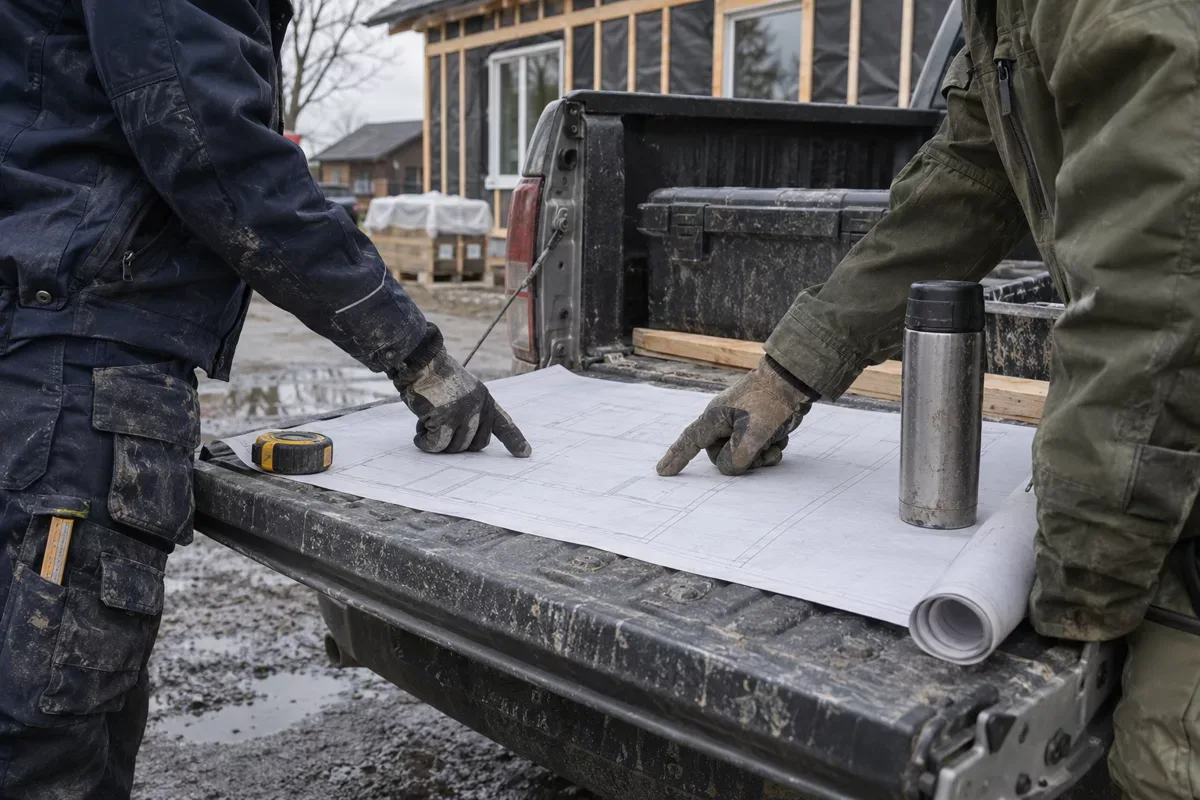
A general contractor (GC) is the person the customer hires for the whole job. You hire and schedule the subcontractors, buy or approve the materials, pull the permits, call for inspections and answer for the result. Some GCs do part of the work with their own hands. Many do almost none of it.
That is why boards care about supervision, not skill with a saw. In California, the Contractors State License Board gives experience credit only at journey level or above: as a journeyman, foreman, supervising employee, contractor or owner-builder. Helper and apprentice time does not count, though up to three years of credit can come from training or education.
Who licenses general contractors? It depends on the state
Some states license general contractors at the state level, some only register them, and some leave it to cities and counties. Find out which one you are in before you plan anything else.
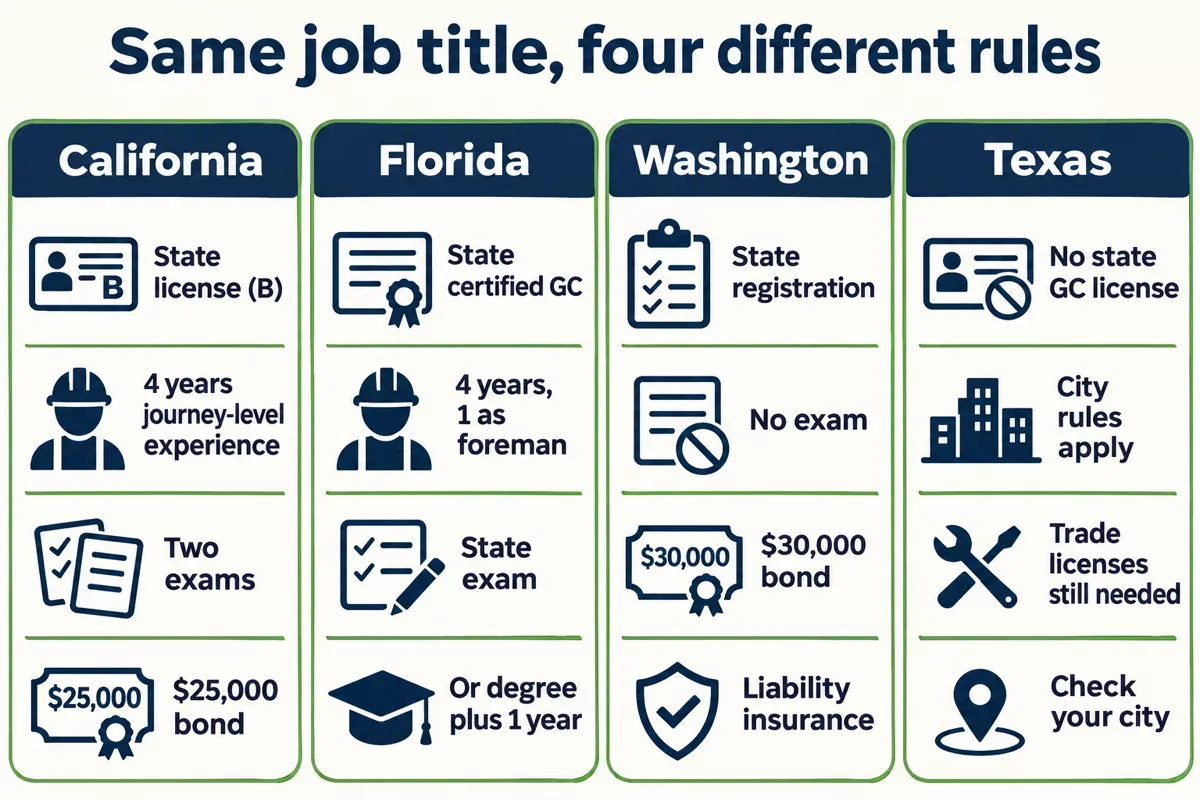
| State | What you get | Experience to qualify | Exam | Bond and insurance |
|---|---|---|---|---|
| California | State license, General Building (B) | 4 years at journey level or above in the last 10, up to 3 years of credit for training | Trade exam plus law and business exam | $25,000 contractor bond |
| Florida | State certified general contractor | 4 years, at least 1 as a foreman, or a 4-year building degree plus 1 year | State exam | Set by the licensing board |
| Washington | State registration with L&I | None | None | $30,000 bond, plus $200,000 public liability and $50,000 property damage or $250,000 combined |
| Texas | No state GC license | Set by each city | Set by each city | Set by each city |
Sources: CSLB experience and bond pages, Florida Statutes 489.111, Washington L&I contractor registration page, all checked November 2026. Washington also charges a $150.20 application fee. If you build in California, our guide to getting a California contractor license walks the B class from the experience form to the bond filing. Building in Florida instead? Our Florida contractor license guide breaks down the residential, building and general tiers and the state fees.
Two things the table does not show. First, a state with no general license still licenses the trades. In Texas you cannot do the plumbing or electrical on a job yourself without those licenses, so you hire licensed subs. Second, a state license does not replace a city one. Check both. Our Texas contractor license guide shows which trades the state licenses there and what each one costs.
How long does it take to become a general contractor?
Plan on about four years of experience in licensing states, plus a few months for the application and exams. In registration states like Washington you can register as soon as you have the bond and insurance, but customers and lenders still look for a track record.
| Where you are starting | Realistic time to your own GC business | What to do first |
|---|---|---|
| No construction experience | 4 to 6 years | Get hired by a builder or remodeler and move toward lead carpenter |
| Licensed in one trade (plumber, electrician, carpenter) | 1 to 3 years | Start running whole jobs, not just your trade's part, and document them |
| Construction management degree | 1 to 2 years | In Florida a 4-year building degree cuts the experience to 1 year |
| Already doing remodels without a license | Weeks to months | Check whether your past work counts, then license or register before the next job |
If you already hold a trade license, you are further along than you think. A licensed plumber or electrician has already proved supervised hours. What is missing is experience running the other trades.
Step 1: Learn a trade, then learn the whole house
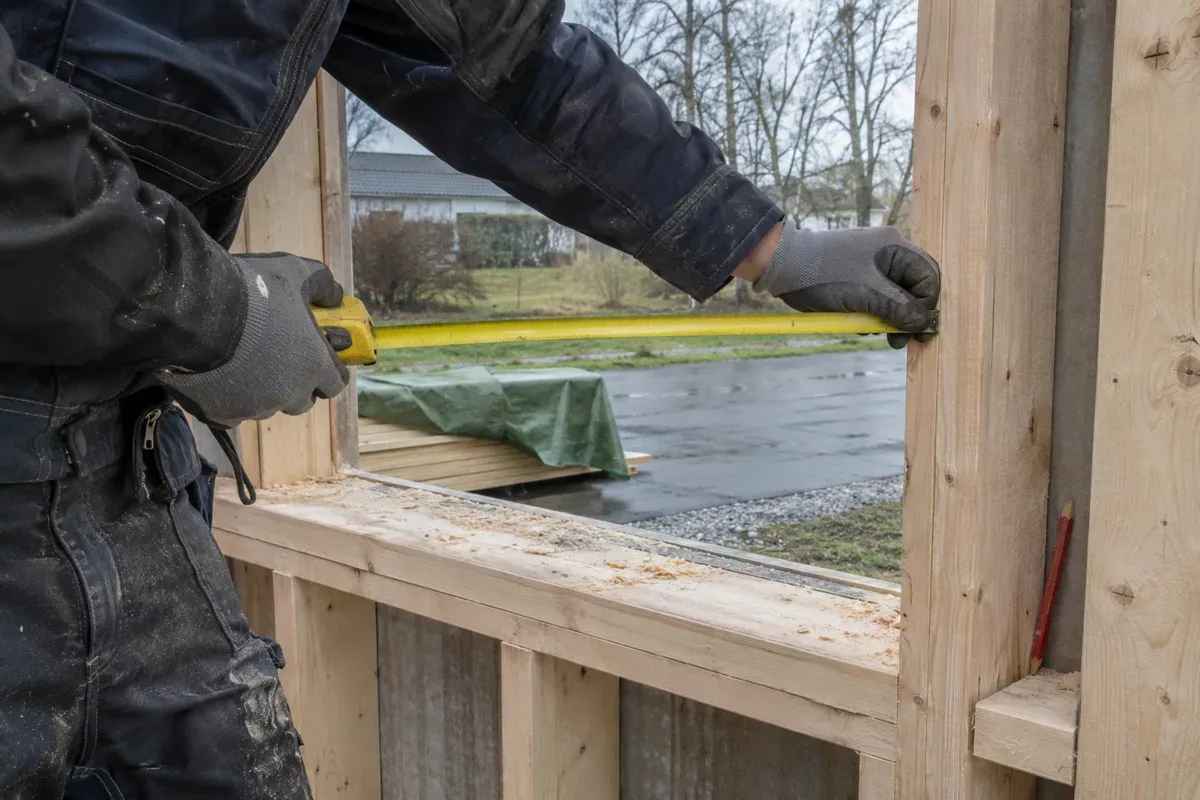
Pick a trade that touches the whole build. Framing and remodel carpentry are the usual routes because you see every other trade come through after you. Plumbing and electrical work count too, but you will have to learn the rest.
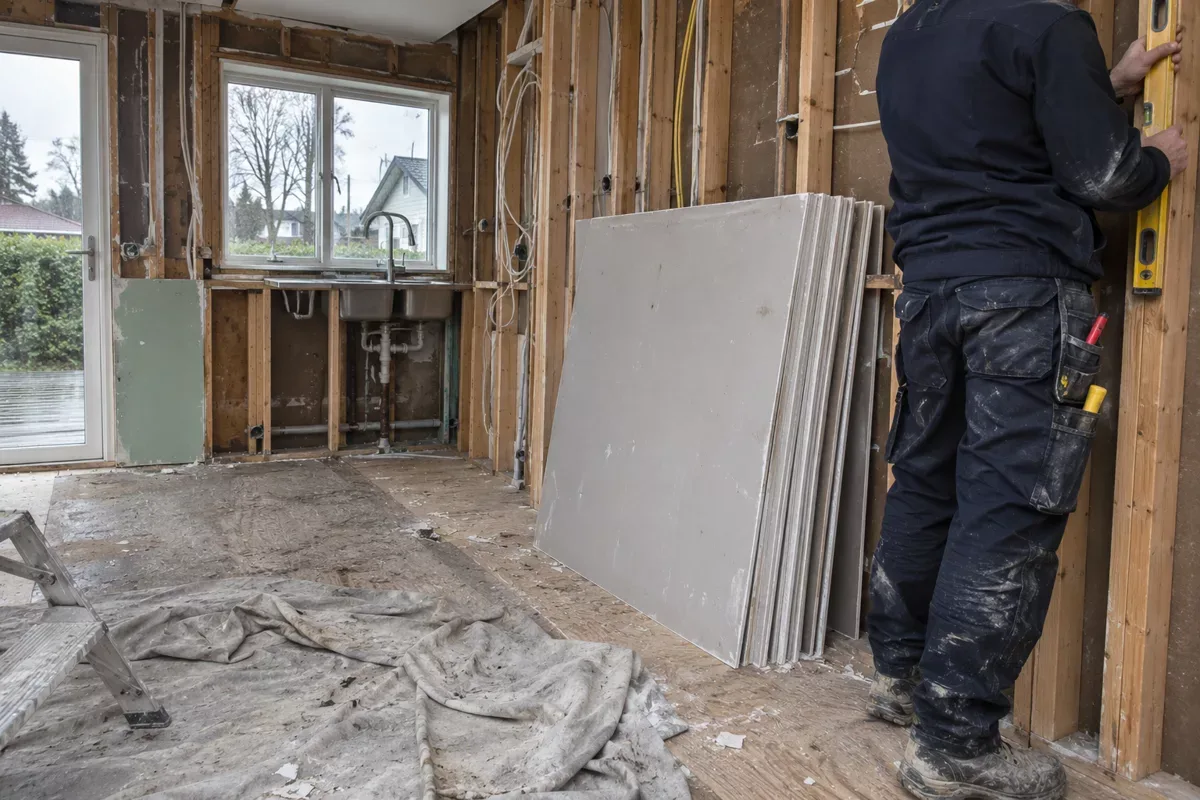
The real lesson in these years is sequence. Rough plumbing and wiring go in before insulation, insulation before drywall, and the inspector signs off in between. A GC who gets the order wrong pays a crew to stand around.
Keep your own record from week one: the job address, what you did, your role (worker, lead or foreman), the dates and who supervised you. Boards ask for verification from someone who watched you work. A list you kept is far easier to get signed than four years of memory.
Step 2: Run crews and document it
This is the step that turns a tradesperson into a contractor. Ask your boss to let you run jobs: schedule the subs, order materials, meet the inspector, walk the homeowner through changes.
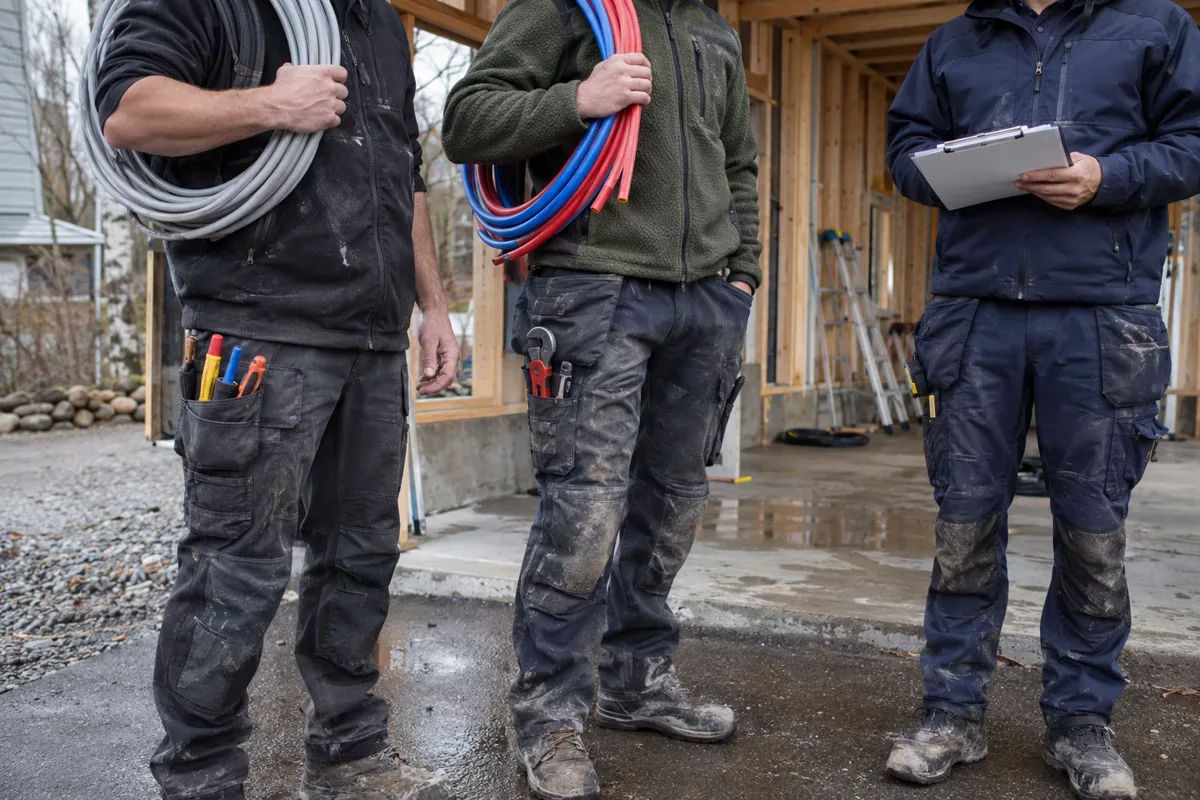
Florida makes the point in law: at least one of the four years has to be as a foreman in charge of a group of workers. Whatever your state says, foreman time is also where you learn to read a sub's bid, catch a missing line item and say no to a change order that was not priced.
Step 3: Pass the exam or register
In licensing states, expect two kinds of questions: the trade (codes, building methods, safety) and the business (contracts, lien law, insurance, payroll and taxes). The business part is the one experienced builders underestimate.
In registration states the paperwork is the test. Washington, for example, asks you to register with L&I: register the business with the Department of Revenue, buy a $30,000 surety bond for a general contractor, buy liability insurance, then file the application with a $150.20 fee.
Step 4: Set up the business before your first bid
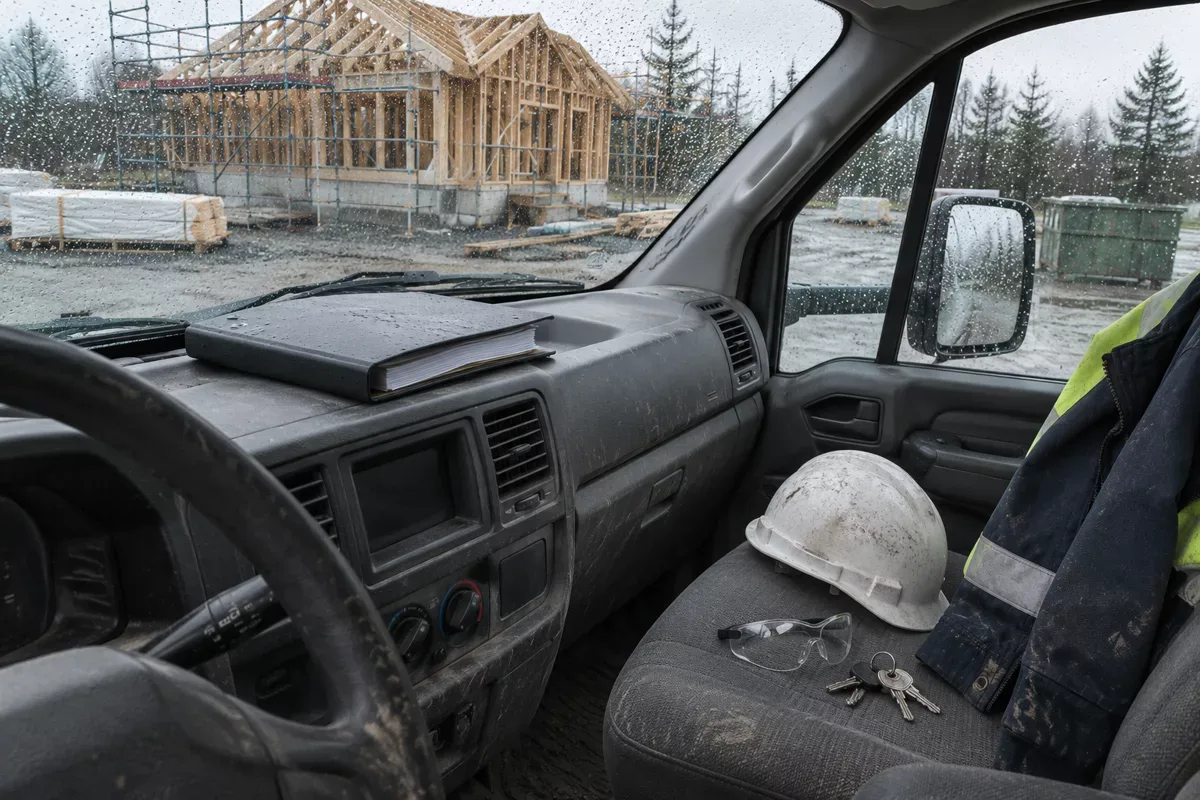
- Business structure and tax ID. Sole proprietor or LLC, then an EIN. Your state's business office walks you through it.
- Bond and insurance. Have the certificates in your exact business name. Many customers and every city permit desk will ask.
- Workers' comp. Required in most states as soon as you have employees.
- A written contract. Scope, price, payment schedule and change-order terms on every job. Start from a plain estimate template if you have nothing yet.
- Subs you trust. Collect their license numbers and insurance certificates before the job, not after a problem.
How does a general contractor make money?
A GC makes money on the gap between what the customer pays and what the job costs: subcontractors, materials, permits and your own overhead. You do not get paid an hourly wage for managing. You build overhead and profit into the price of every job.
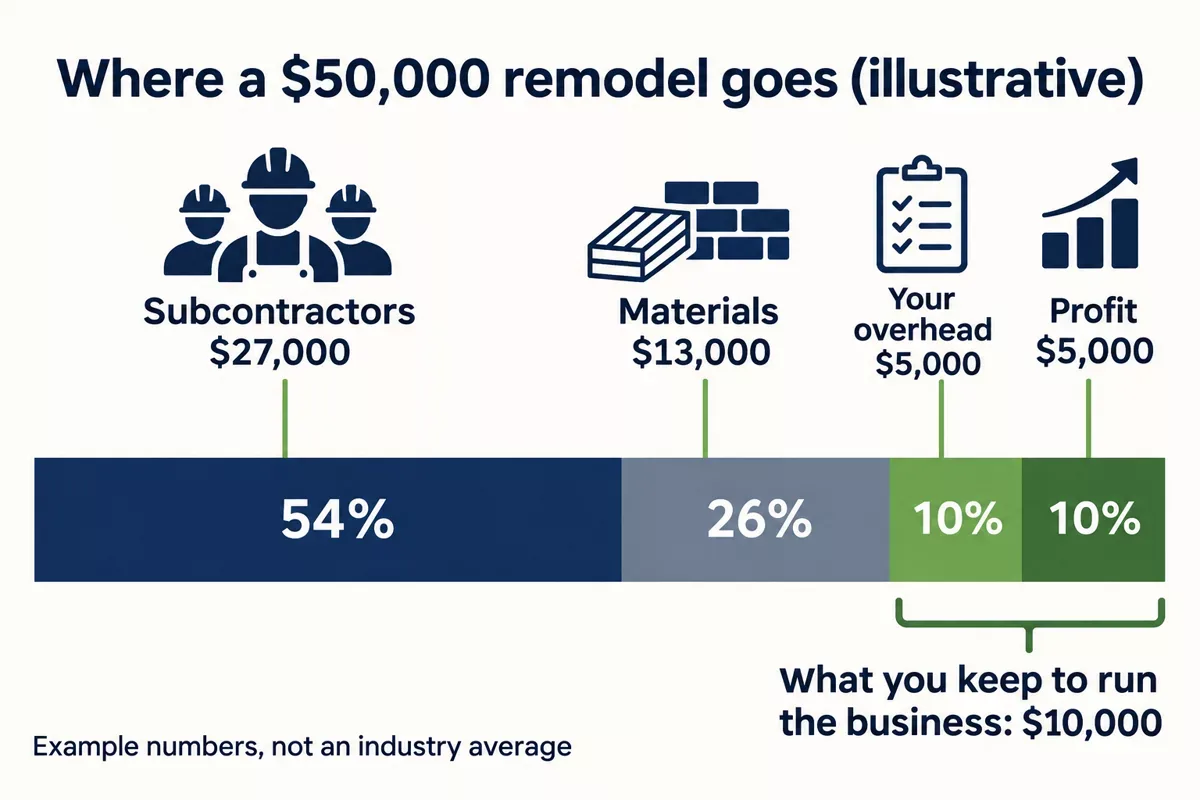
Here is the same example as a worked table, so you can check the math:
| Line | Amount | Note |
|---|---|---|
| Subcontractors (plumbing, electrical, drywall, tile) | $27,000 | Their bids, already including their own profit |
| Materials | $13,000 | Cabinets, fixtures, lumber, permit fees |
| Direct cost | $40,000 | What leaves your account |
| Your overhead | $5,000 | Insurance, bond, truck, phone, office time |
| Profit | $5,000 | What the business earns for the risk |
| Price to the customer | $50,000 | 25% on top of direct cost, a 20% margin |
The numbers are illustrative. The trap is not. 25% markup on cost is only a 20% margin on the price, and new GCs often confuse the two and come up short. Run your own figures through a markup and margin calculator before you quote, and work out what an hour of your own time costs so the hours you spend managing are in the price.
Mistakes that cost new general contractors the most
- Paying subs before the customer pays you. Put a deposit and payment schedule in the contract so your cash never funds the job. The day-by-day cash walk-through for one reroof shows how deep that hole gets on a single job.
- Pricing from memory. A remodel has dozens of line items. Miss one and it comes out of your profit.
- Skipping written change orders. A verbal "while you're at it" turns into a dispute at the final invoice.
- Hiring unlicensed or uninsured subs. If they get hurt or do bad work, it lands on you.
- Assuming no state license means no rules. Texas has no state GC license, but cities can require registration and the trades still need their licenses.
When the license is in hand: the office work starts
A license lets you sell jobs. It does not write the quote, track which sub is booked for Tuesday or chase the final payment. Most new GCs do that part at night with a spreadsheet and a quote template, retyping the same prices for every bid.
That works for a few jobs. It breaks when you are standing in a customer's gutted kitchen and need your prices on your phone, not in a file at home. Driveway Desk fixes that wall: your price book remembered, the quote drafted in the driveway, jobs on one schedule with reminders, the invoice sent in one tap and paid into your own Stripe or Square account. If you are weighing other tools, see how a Jobber alternative compares for a small crew.
Price it once, then start your first quote from the driveway next time.
If you are starting smaller than a full GC, a handyman license covers minor repairs in many states. Once jobs come in, put each one on a simple work order so every sub knows the scope.
Prove the years, then price like a business
Find out who licenses general contractors where you work, then spend your field years building proof: dates, jobs, your role and a signature from someone who saw it. Pass the exam or register, post the bond and insurance, and set up the business before your first bid. Then price every job from real costs, with overhead and profit in the number, because that is what keeps a GC in business after the license is on the wall.
Put the method to work
Markup and margin calculatorMarkup divides profit by cost; margin divides profit by selling price. Convert either percentage before quoting.
Frequently asked questions
Experience running construction work that someone can verify, plus whatever your state or city requires on top. In California that means four years at journey level or above and two exams. In Florida it means four years with one as a foreman, or a building degree plus one year, and a state exam. Some states, like Texas, leave it to cities.
An employee works under your control: you set the hours, the methods and supply the tools, and you handle their payroll taxes. A contractor runs their own business, controls how the work gets done and bills you for the result. The IRS looks at behavioral control, financial control and the relationship between you. Calling a worker a sub does not make them one.
Most general contractors do not bill by the hour. They price the whole job: subs, materials and permits, plus a markup for overhead and profit. If you do bill time, for small repairs or consulting, set the rate from your real costs with a labor cost calculator rather than copying a number from another market.
On the gap between the job price and the job cost. Subcontractors, materials and permits are the direct cost. On top of that you add overhead (insurance, bond, truck, office time) and profit. In the illustrative $50,000 remodel above, $40,000 is direct cost and the GC keeps $10,000 to cover overhead and profit.
Plan on about four years of field and supervisory experience in states that license GCs, then a few months for the application and exams. A trade license or a construction degree can shorten it: in Florida a 4-year building degree cuts the experience requirement to one year.
In many states, yes. California and Florida license general contractors at the state level, Washington requires state registration with a bond and insurance, and Texas has no state GC license but lets cities set rules. Check your state board and your city before you bid, because working unlicensed can bring fines and make contracts hard to enforce.
Put the method to work
Labor cost calculatorDivide paid-hour costs by the billable-hours ratio, then allow for your target margin to find a selling rate.
Your prices, remembered.
Build your first quote on your phone in about two minutes, send it, and get paid into your own account.
Start your first quoteShare article
About the author
Field notes team
We write practical guides for home service crews of one to five. Our editorial standard is to show the calculation, state its assumptions, cite primary sources for factual claims and date competitor comparisons. We distinguish worked examples from market prices and correct errors when they are found. We do not claim trade licenses or credentials on behalf of the team.
More articles

Running a small crew · 13 min
What Do I Need to Start a Mobile Detailing Business? Full Checklist
The mobile detailing startup checklist: paperwork and insurance, the wash and interior kit for the services you sell first, how many towels to stock, and the quote, work order and payment setup.

Running a small crew · 13 min
Roofing Company Business Plan: 7 Parts + Cash Flow Example
A roofing company business plan in seven short sections, with a worked example: one reroof priced line by line, revenue by month, and how much cash a busy June ties up before homeowners pay.

Running a small crew · 11 min
How to Get Clients as a Realtor: 5 Channels That Work
How to get clients as a realtor: start with your sphere and past clients, build referral partners among the trade pros already inside homes, then add open houses and one farm area. Includes a 90-day plan and the commission math.

Running a small crew · 14 min
How to Get Bookkeeping Clients: 6 Ways That Actually Work
How to get bookkeeping clients: start with people you know and local tax preparers, sell a fixed-price cleanup first, then pick one niche, such as trade contractors, and become the bookkeeper its owners refer.

Running a small crew · 13 min
How to Start a Mobile Detailing Business: Water, Kit, Prices
Start a mobile detailing business in order: pick your first customers, sort licenses and insurance, solve water before buying a polisher, price by your real hours plus the drive, and book the maintenance wash.

Running a small crew · 13 min
How to Get Clients for Your Home Service Business: 7 Ways
How to get clients for a home service business: tell everyone you know, verify a free Google Business Profile, ask for reviews, work the street around every job, and follow up every quote you already sent before you buy a single lead.